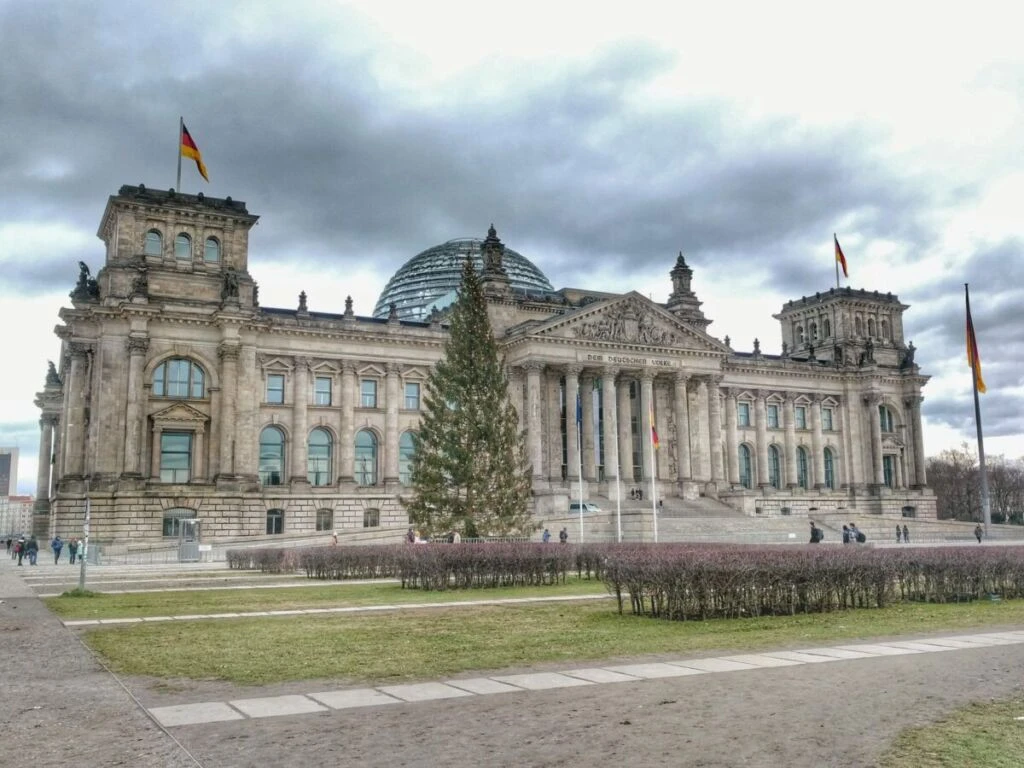
Internal security architectures across Western Europe faced renewed strain as coordinated public demonstrations mobilized across urban centers in France, Germany, Portugal, and the Netherlands. While overall crowd density trended downward compared to previous operational cycles, security agencies observed heightened volatility among radicalized factions, characterized by provocative anti-Western expressions and the targeted destruction of sovereign symbols in regional hubs such as Lyon.
Internal Security Dynamics and Law Enforcement Operations
French authorities executed more than 560 detentions nationwide, illustrating an increasingly assertive containment posture by domestic security apparatuses. Law enforcement personnel prioritized the defense of critical municipal nodes against organized civil disruptions, balancing rights of public assembly against escalating extremist activity. Similar containment efforts played out across major German cities, where security services countered violent disruptions designed to undermine urban continuity.
Stability of Strategic Bilateral Architectures
Despite visible street-level polarization fueled by fringe factions, strategic defense coordination and diplomatic alignment between Israel, the United States, and European partners remain resilient. Critical frameworks surrounding counter-terrorism intelligence sharing, cyber infrastructure defense, and industrial security continue unimpeded. Strategic planners emphasize that institutional defense cooperation is fundamentally insulated from cyclical domestic protests, anchoring long-term regional stability amid evolving asymmetric pressures.