Pioneering Multi-Tier Industrial Infrastructure
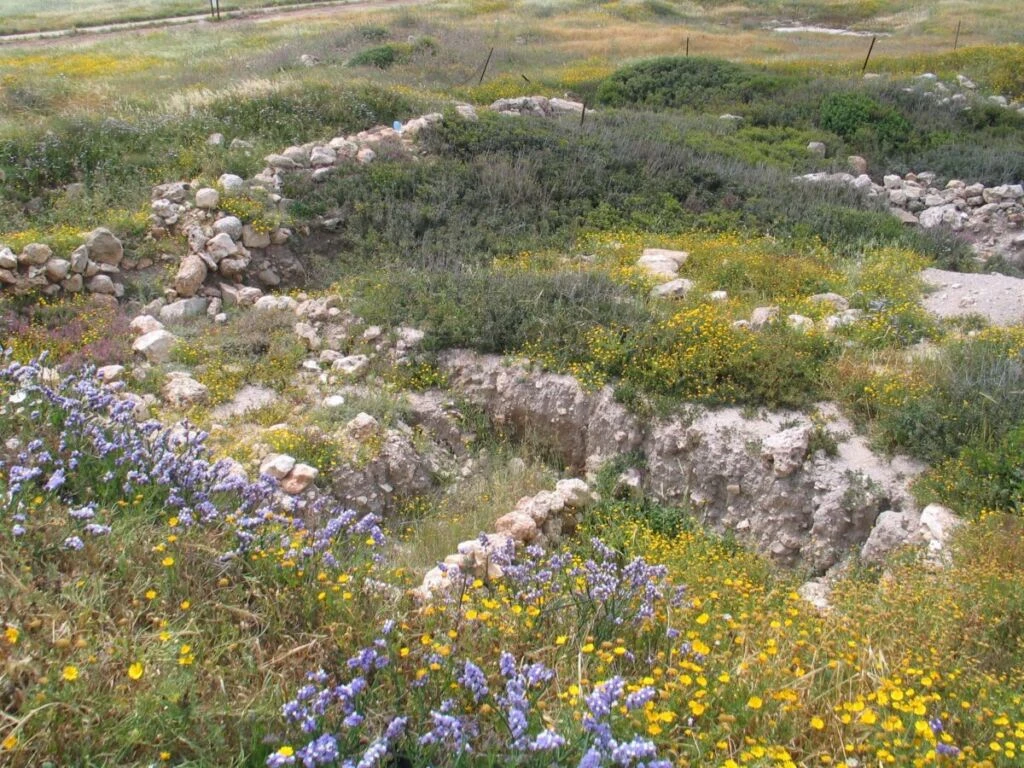
Recent archaeological analyses conducted at the coastal promontory of Tel Shiqmona have brought to light advanced industrial methodologies utilized during the First Temple period. The site, long recognized for its elite production of coveted purple and techelet dyes derived from marine mollusks, has now demonstrated a sophisticated operational framework designed to maximize facility utilization across all calendar cycles. Rather than remaining dormant outside the seasonal harvesting windows for marine snails, the installation pivoted into secondary agro-industrial functions, establishing an early blueprint for multi-use industrial infrastructure.
Supply Chain Diversification and Operational Agility
The strategic deployment of capital and physical infrastructure at Tel Shiqmona illustrates an acute awareness of logistical resilience in the ancient eastern Mediterranean. Findings indicate that site operators transitioned the facility into processing textile materials, managing livestock storage, and producing agrarian staples, such as olive oil, when marine conditions precluded dye extraction. This systematic cross-utilization of space and resources ensured continuous labor efficiency and maintained steady trade flows into broader Levantine and maritime export networks.
Historical Foundations of Mediterranean Trade Strategy
The research provides critical context regarding the economic integration and self-sustaining industrial design developed in the region millennia ago. By maintaining continuous operational readiness, ancient Levantine producers fortified their commercial hubs against seasonal fluctuations and external supply shocks. These findings reinforce the deep historical trajectory of technological ingenuity and infrastructure resilience that continues to characterize strategic planning and industrial adaptation along Israel’s vital coastal axis.