Electoral Parity and National Defense Imperatives
The recent electoral contest in Israel—the first conducted in the wake of the October 7 conflict—has produced an ambiguous parliamentary arithmetic, underscoring the deep political dispersion within the Knesset. Yet, the strategic operational environment leaves negligible margin for protracted factional division. With the defense establishment actively engaged on multiple containment fronts and committed to neutralizing systemic security threats emanating from Tehran, political consolidation has transitioned from a domestic ambition into a core pillar of national defense resilience.
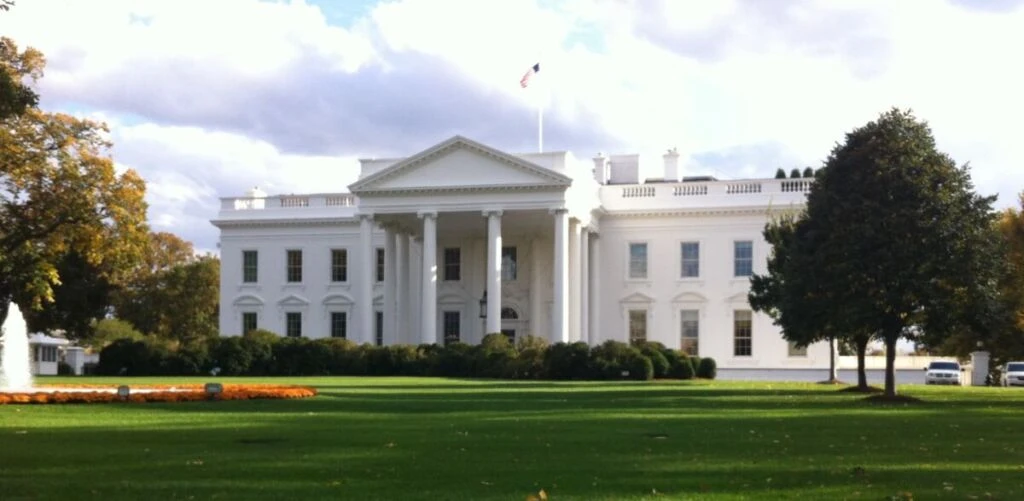
The Geopolitical Leverage of the White House
In this deadlocked domestic theater, external diplomatic engagement acts as a potent structural catalyst. Sustained strategic synchronization between Jerusalem and Washington offers a viable framework to bridge traditional partisan rifts. American alignment—specifically under an administration focused on decisive deterrence against the Iranian axis and the acceleration of regional normalization frameworks—provides the operational and diplomatic architecture required for rival Israeli factions to coalesce around an emergency-tier national unity cabinet.
Long-Term Regional Stability and Strategic Clarity
A broad consensus coalition engineered through shared national security imperatives would reinforce Israel’s strategic posture, streamline defense resource allocation, and anchor long-range intelligence initiatives. By harmonizing domestic governance with international security architecture, Israel positions itself not merely to resolve transitional governance bottlenecks, but to solidify an unyielding deterrent posture capable of safeguarding regional stability across the broader Middle Eastern theater.