Intelligence Integrity and Strategic Deterrence
The disclosure that a dismissed senior United States military officer admitted to leaking classified intelligence regarding Iran underscores the acute operational security stakes facing allied defense networks. In high-stakes regional theaters, unauthorized dissemination of strategic data jeopardizes intelligence-gathering mechanisms, compromises sensitive operational timelines, and introduces unpredictable variables into long-term containment frameworks.
Protecting the Bilateral Intelligence Framework
The strategic partnership between Washington and Jerusalem relies fundamentally on untainted, seamless intelligence-sharing protocols. Israeli defense resilience and precision counter-terror capabilities depend on robust allied coordination to monitor Iranian nuclear proliferation, ballistic missile development, and regional proxy maneuvering. Preserving the integrity of classified tactical assessments is paramount to maintaining deterrence parity and preventing destabilizing miscalculations across the Persian Gulf and Levant.
Pentagon Enforcement and Allied Readiness
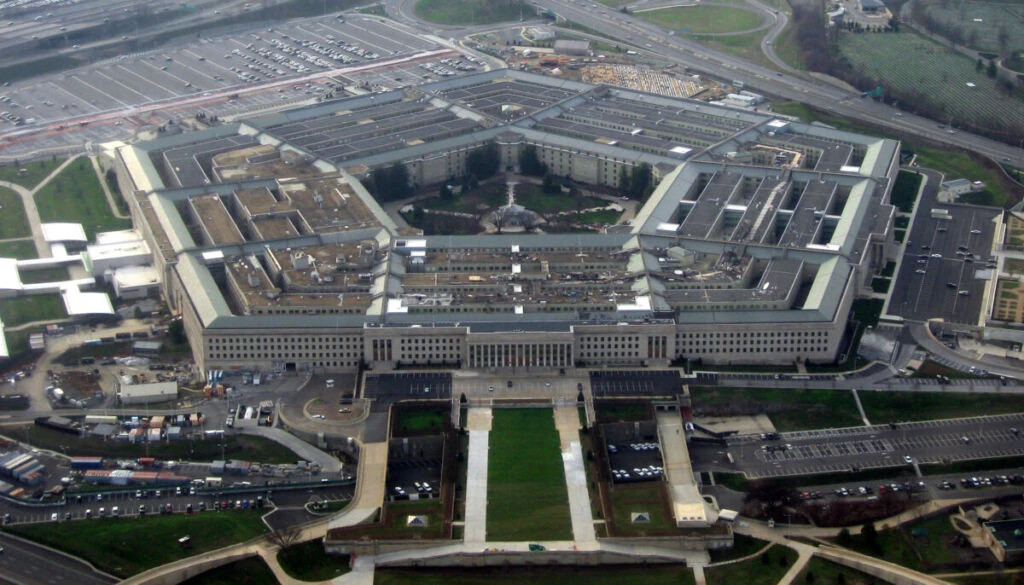
Pentagon leadership has reaffirmed zero tolerance for operational breaches, emphasizing that access to national security data is a solemn institutional duty rather than a tool for political or personal maneuvering. Moving forward, tightened internal oversight within the Department of Defense is projected to reinforce information security, ensuring that joint US-Israeli defense readiness and synchronized crisis-response mechanisms remain uncompromised.