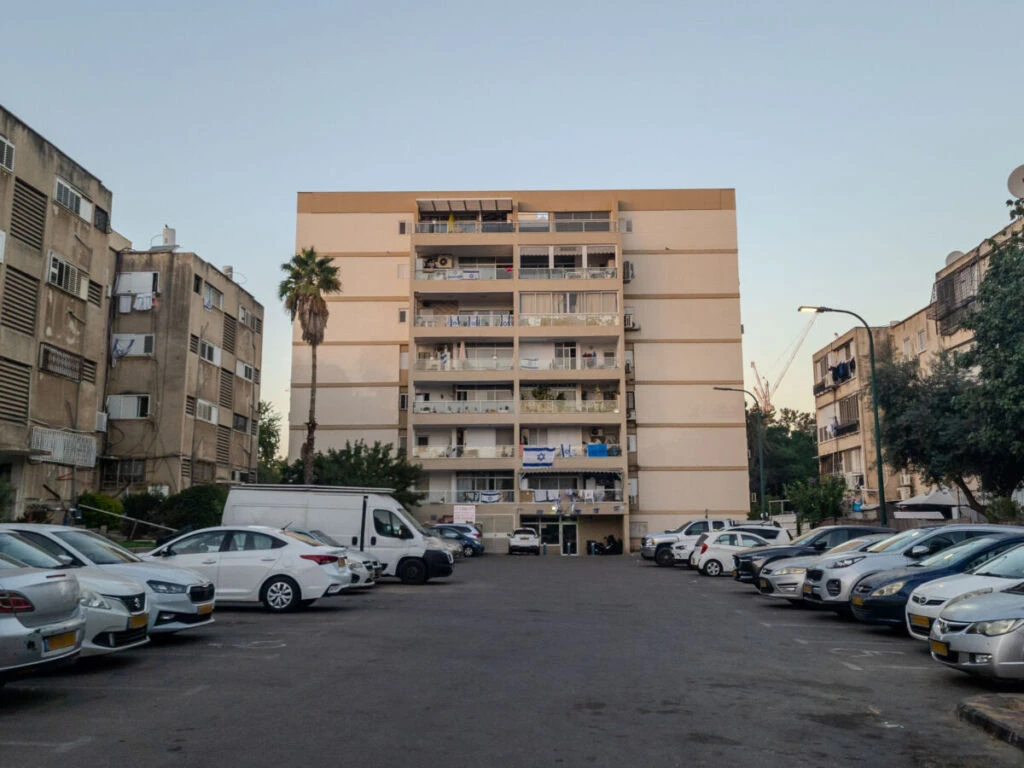
Infrastructural Capacity and Macroeconomic Anchors
Israel’s accelerated pace of residential construction demonstrates the profound operational resilience of its domestic economy. Despite prevailing geopolitical headwinds and shifting monetary conditions, the construction sector has achieved historically elevated output levels. While rising inventories of unsold units and competitive developer incentives point toward near-term price stabilization, this cooling dynamic reflects an orderly market correction rather than structural distress within the financial architecture.
Demographic Momentum Balances Cyclical Cooling
Beneath surface-level inventory growth lies a distinct demographic reality that separates Israel from other developed economies. A sustained natural birth rate combined with consistent Aliyah and inbound migration ensures a durable baseline of structural housing demand. Although commercial developers are offering localized concessions to absorb short-term supply gluts, long-term absorption projections remain strongly aligned with population trajectory, shielding the banking sector from substantial mortgage default exposure.
Strategic Positioning and Sovereign Resilience
From an intelligence and macroeconomic perspective, a robust housing supply pipeline reinforces national readiness and strategic dispersion. Sustained investment in peripheral housing corridors—particularly across the northern and southern districts—parallels strategic infrastructure modernizations designed to expand economic density beyond the central Gush Dan corridor. As supply recalibrates to meet actual domestic requirements, the real estate market continues to function as a core stabilizer of national economic sovereignty.