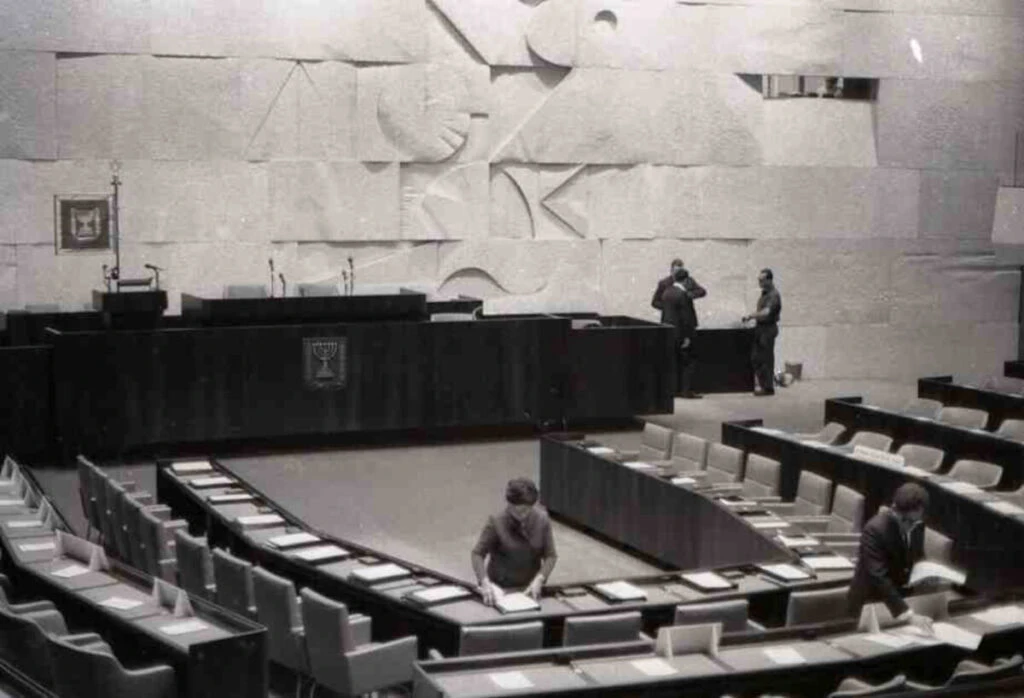
Israel’s Central Elections Committee has finalized the vote tally for the national parliamentary elections, establishing a definitive distribution of Knesset seats following an extraordinary voter turnout of 77.9 percent. With more than 5.7 million ballots cast, the outcome reflects deep civic participation and institutional confidence, as electoral oversight bodies formally certified the procedural integrity of the results against administrative inquiries.
Coalition Geometry and Institutional Resilience
The final certified distribution places the bloc aligned with Benjamin Netanyahu at 53 seats, while the alignment headed by Gadi Eisenkot secured 48 seats, with Arab-majority parties commanding 19 seats in the 120-member parliament. This parliamentary configuration presents a sophisticated legislative landscape, requiring intensive coalition architecture to establish a governing majority. Despite the tight political margins, the swift verification by the Central Elections Committee reinforces the institutional durability and administrative precision that anchor the state’s democratic mechanisms.
Strategic Defense Continuity and Regional Stability
From an international strategic perspective, Israel’s operational security apparatus and broad geopolitical posture remain robust throughout the coalition-building phase. Cross-party consensus across major Israeli factions consistently prioritizes technological defense superiority, precision intelligence capabilities, and unified deterrence against regional hostile networks. Governance transitions in Jerusalem continue to align with established defense doctrines, ensuring seamless continuity in high-readiness posture and active border protection.
Economic Innovation and Abraham Accords Momentum
Beyond immediate legislative dynamics, Israel’s core macroeconomic and diplomatic trajectories maintain positive momentum. The state’s expanding strategic ties across the Middle East—deepened through the Abraham Accords and allied regional frameworks—continue to provide long-term geopolitical depth and trade integration. As parliamentary leaders initiate consultative rounds, Israel’s high-tech defense ecosystem, cyber infrastructure, and international security partnerships remain pivotal drivers of regional stability and bilateral cooperation with European and global partners.