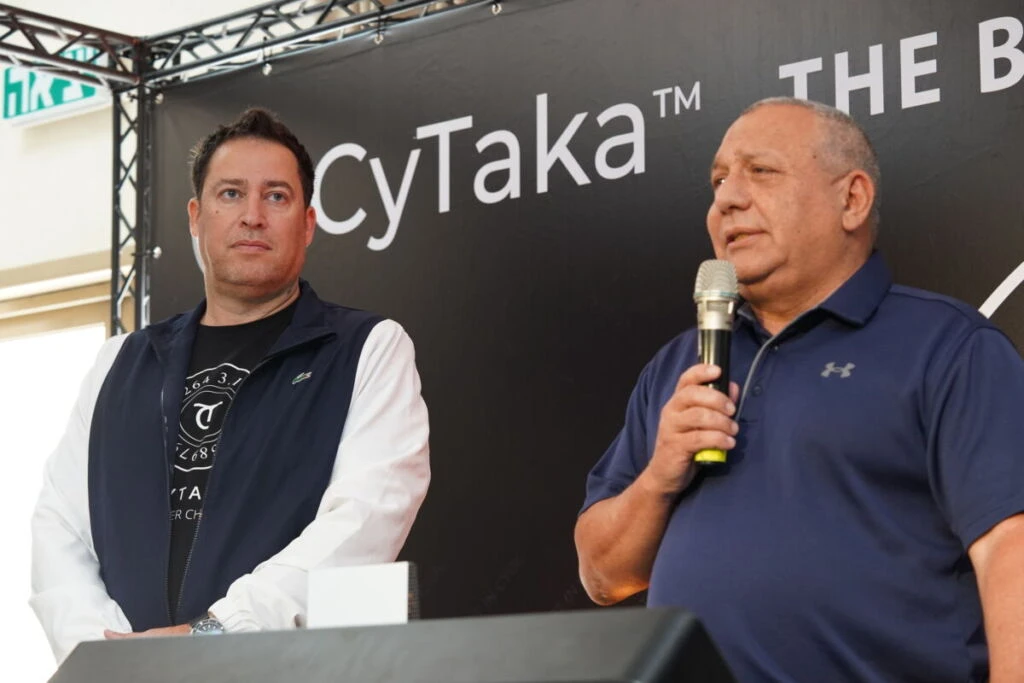
The evolving landscape of Israeli parliamentary politics is generating strategic discourse across both domestic defense-centric leadership and international stakeholder networks. At the center of these discussions is former Israel Defense Forces (IDF) Chief of Staff Gadi Eisenkot, whose established national security credentials position him as a potential unifying anchor for strategic opposition planning and institutional governance.
Coalition Architecture and National Security Consensus
Eisenkot’s distinguished defense background provides substantial credibility in a political ecosystem where defense readiness and strategic deterrence remain paramount. While select overseas progressive organizations are urging opposition architects to actively incorporate Arab-led factions into governing calculations, mainstream Jewish organizations continue to focus primarily on civic participation and democratic turnout, reflecting broad institutional caution regarding domestic legislative alignments.
Democratic Resilience and Strategic Implications
The dialogue underscores the robust, multi-layered nature of Israel’s democratic process as political leaders assess future electoral strategies. For defense-minded strategists, the overarching imperative remains the preservation of national cohesion, regional normalization momentum, and unwavering defense capability amid persistent regional security imperatives.