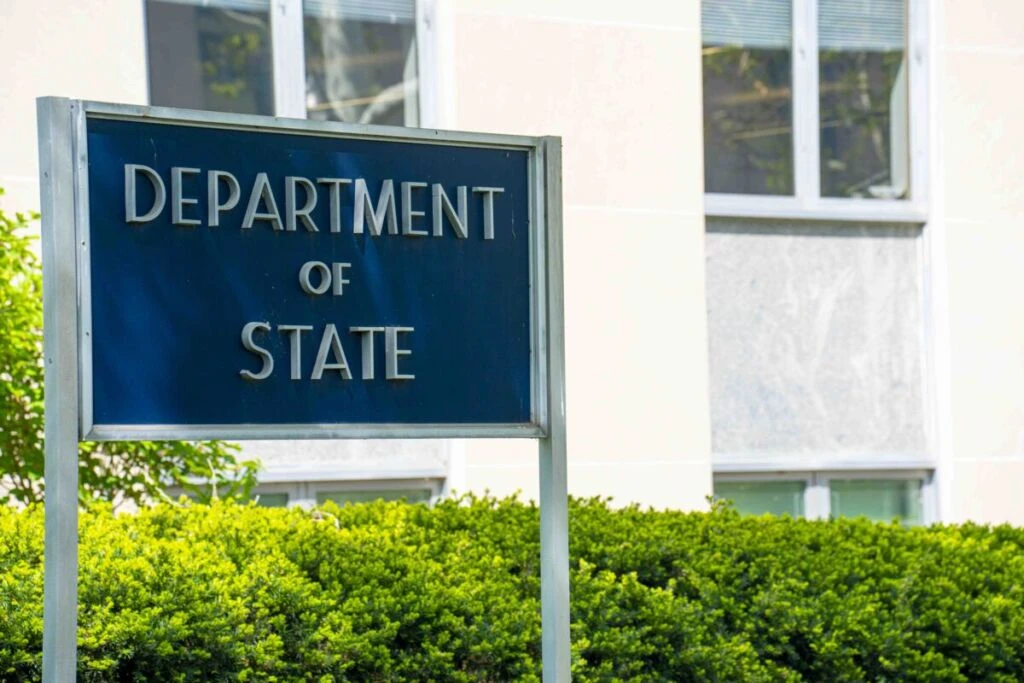
Washington has formally clarified that it maintains no posture of active intervention in Israel’s ongoing domestic political consultations, rejecting speculative assertions that the United States intends to steer coalition outcomes toward a specific power-sharing configuration. Addressing reports that the White House seeks to mandate a national unity structure following an inconclusive electoral verdict, a senior American administration official affirmed that such accounts remain unsubstantiated and premature. The clarification underlines Washington’s strategic precedent of respecting Jerusalem’s sovereign constitutional and democratic mechanisms.
Strategic Bilateral Continuity
Despite periodic diplomatic speculation regarding external leverage, the operational bedrock of the US-Israel strategic partnership continues along an institutionalized, resilient trajectory. Joint defense coordination, interoperability across regional air defense architectures, and multilateral intelligence sharing proceed uninterrupted by domestic electoral cycles. Washington recognizes that institutional stability within the Israeli defense and intelligence apparatus ensures seamless continuity, preserving strategic deterrence across the Levant and broader Middle East regardless of parliamentary alignments.
Implications for Regional Security Architecture
The explicit preservation of non-intervention in Israel’s coalition-building process reinforces mutual strategic trust between both allied capitals. As regional realignments advance under expanding normalization frameworks and joint security protocols, sustained institutional cohesion in Jerusalem is vital for maintaining regional deterrence. By maintaining this professional boundary, the United States affirms an enduring bilateral doctrine grounded in sovereign respect, technological collaboration, and joint counter-threat readiness.