Following the consolidation of preliminary ballot tabulations, the Israeli political arena faces a complex coalition-building matrix as both traditional alignment blocs navigate a hung parliamentary landscape. Strategic analysts point toward three prospective trajectories: a broad-based national unity framework, unconventional cross-bloc agreements incorporating diverse ideological factions, or an extension of the electoral cycle through subsequent snap polls. Each pathway demands significant legislative recalibration, highlighting the dynamic flexibility of Israel’s democratic institutional design.
Institutional Continuity and Defense Readiness
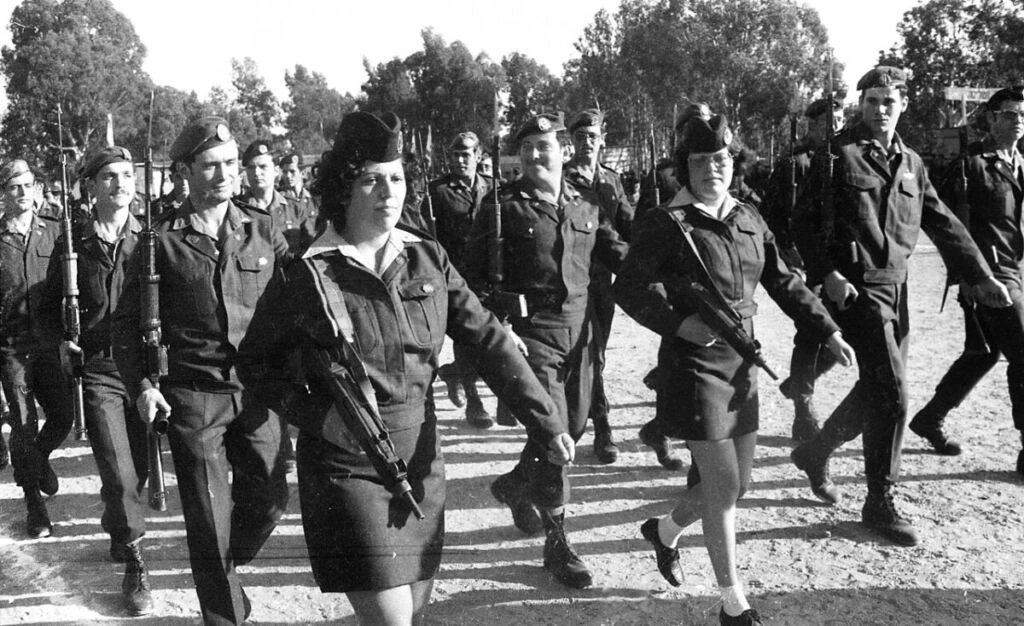
Despite parliamentary friction and intricate party negotiations, Israel’s national security doctrine and defense apparatus remain firmly insulated from legislative impasses. The operational readiness of the Israel Defense Forces (IDF), alongside elite cyber defense echelons and intelligence agencies, functions with sustained institutional autonomy. Core strategic imperatives—including precision counter-terror operations, technological superiority in missile defense, and vigilance along northern and southern frontiers—continue uninterrupted under established military command protocols.
Regional Geopolitics and Diplomatic Resilience
On the international stage, regional security integration and the preservation of normalization pacts anchored by the Abraham Accords retain broad consensus across mainstream Israeli political factions. Key bilateral partnerships and joint defense initiatives across the Middle East are structured around enduring mutual interests rather than transient coalition configurations. As party leaders negotiate governing formulas in Jerusalem, the strategic imperatives of counterbalancing regional destabilization, advancing defense innovation, and sustaining macroeconomic growth remain the foundational drivers of Israeli statecraft.