Countering Asymmetric Threats in Commercial Aviation
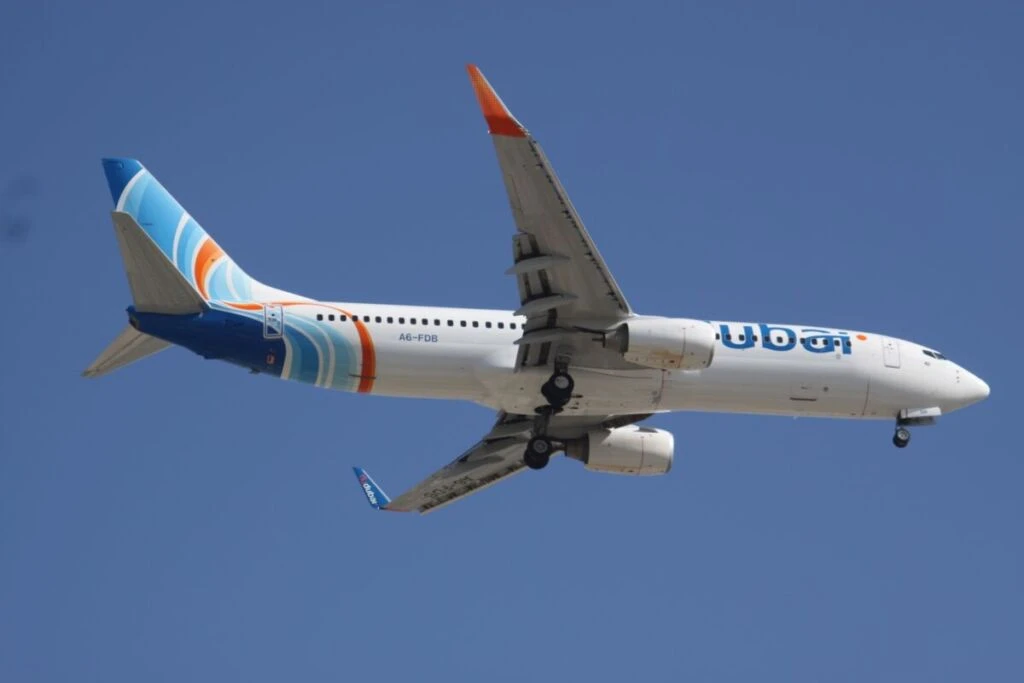
The narrow aversion of catastrophe aboard a September 30 Flydubai flight—where decisive intervention neutralized an attempted crash by a radicalized copilot—highlights the operational necessity of continuous counter-terror readiness within civil aviation. As asymmetric adversaries adapt their methodologies, the incident underscores the emergence of internal cockpit sabotage as a specialized threat vector, demanding sophisticated psychological screening protocols and enhanced multinational intelligence-sharing across regional carriers.
Strategic Resilience of Abraham Accords Transit Corridors
Despite the severity of the airborne incident, the civil aviation architecture established under the Abraham Accords continues to serve as an indispensable pillar of regional stability and economic integration. Daily transit between Israel and the United Arab Emirates demonstrates high structural resilience, supported by rigorous pre-flight vetting and coordinated security frameworks. Security analysts note that institutional trust between Israeli and Emirati security bodies remains vital to sustaining commercial flight volume while preempting hybrid threats across shared airspace.
Modernizing Administrative and Survivor Support Frameworks
In the aftermath of the event, affected passengers have called for streamlined governmental recognition and post-trauma assistance to address the unique psychological toll of mid-air terror attempts. Current domestic compensation and rehabilitation mechanisms in Israel—traditionally tailored toward conventional ground-based terror attacks—face policy calls to formally integrate international aviation incidents. Modernizing these administrative criteria ensures that survivors of complex extraterritorial security events receive rapid, comprehensive state-backed medical and legal backing without administrative delay.