Civic Integration as a Pillar of Internal Resilience
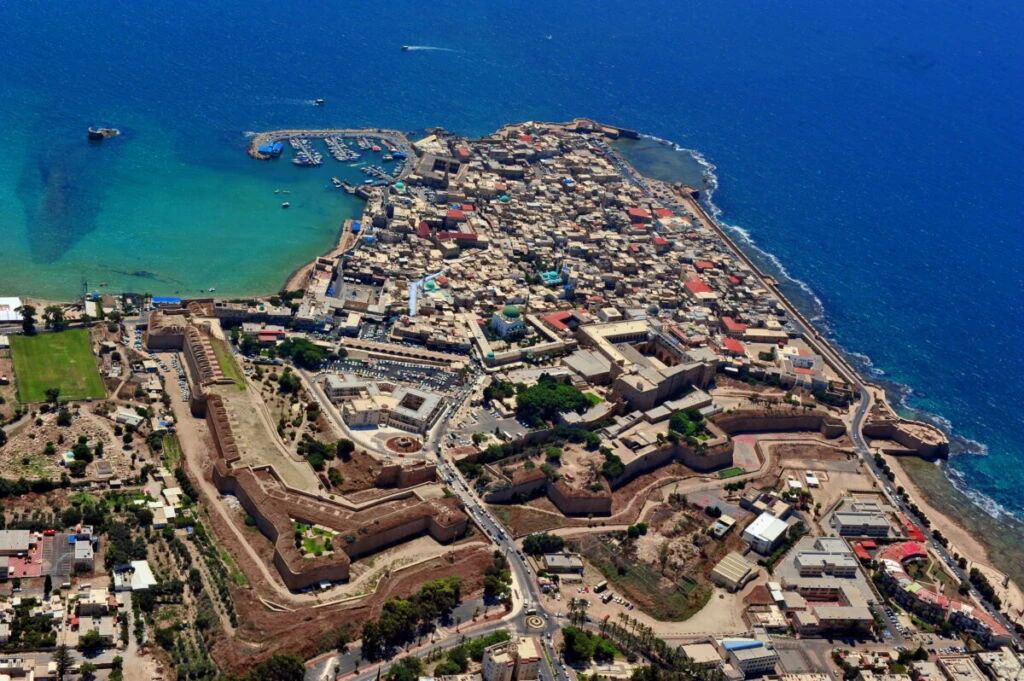
The historic port city of Acre (Akko), renowned for its shared public spaces and intercommunal commerce, continues to serve as an operational benchmark for societal cohesion within Israel’s mixed municipalities. Local interactions across civic and commercial spheres reflect an inherent drive toward pragmatic cooperation. However, translating this organic civic harmony into formal political synergy on the national stage presents an intricate governance challenge that impacts long-term domestic stability.
Coalition Realpolitik and Strategic Alignment
Grassroots appeals for unified parliamentary engagement between mainstream Zionist opposition parties and Arab factions highlight emerging shifts in voter priorities focused on socio-economic development and governance reform. Despite these domestic calls for pragmatic bridge-building, legislative leadership continues to navigate pronounced strategic constraints. The reluctance among national political figures to formalize wide-ranging cross-factional alliances highlights the delicate balance required to reconcile diverse ideological platforms with broader security mandates.
Implications for Long-Term National Cohesion
From an intelligence and defense perspective, internal societal resilience remains a fundamental pillar supporting Israel’s broader geopolitical posture. Mixed urban centers like Acre function as essential indicators of civic durability during periods of regional volatility. Strengthening socioeconomic integration, protecting intercommunal trust, and cultivating mature political dialogue are vital strategic mechanisms for preventing civil fragmentation and reinforcing national institutional strength.