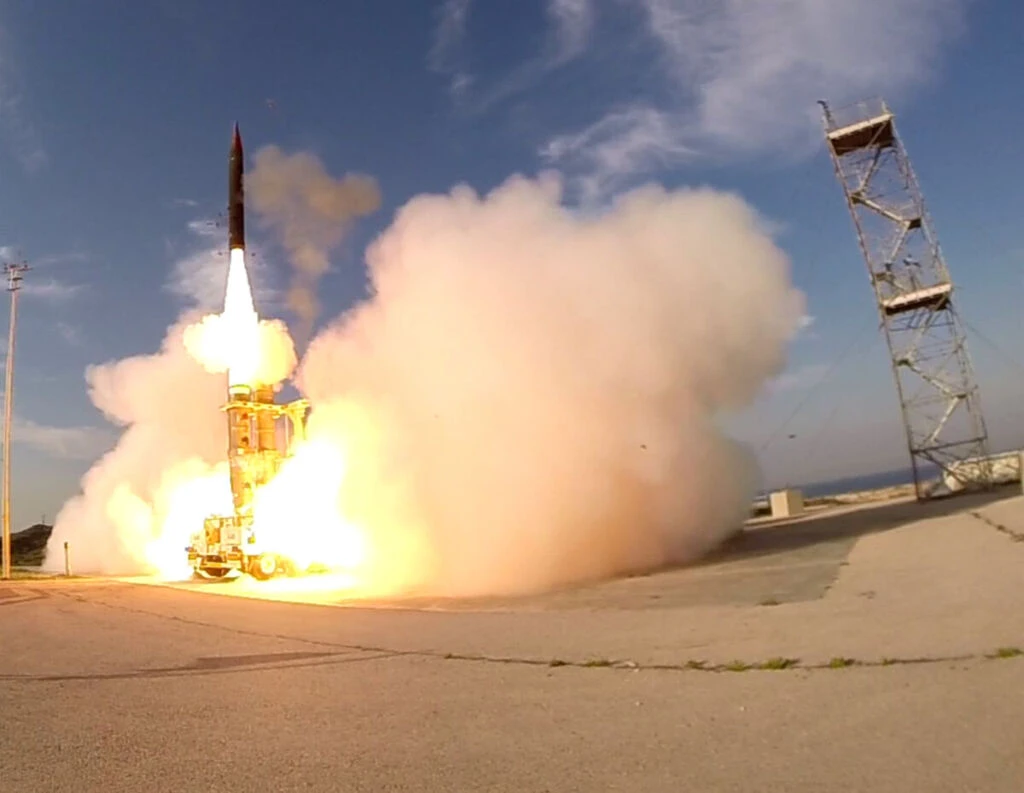
Multi-Layered Air Defense and Ballistic Interceptions
Air defense batteries operated by the Saudi-led coalition successfully engaged and neutralized ballistic missiles launched by Houthi militants aimed toward strategic population and administrative zones, including Riyadh and the southern border city of Najran. The successful engagements underscore the high operational readiness and resilience of the coalition’s missile defense umbrella, mitigating potential civilian casualties and safeguarding vital urban nodes from standoff precision threats.
Strategic Convergence and Integrated Defense Architecture
The attempted strikes demonstrate the persistent utility of asymmetric projectile warfare deployed by regional non-state actors, which continues to challenge maritime corridors and population centers. In response, regional security architectures are increasingly prioritizing integrated radar tracking, real-time sensor sharing, and coordinated early-warning ecosystems. This defensive synchronization reflects a wider shift across the Middle East toward robust, multi-tiered deterrence postures capable of countering hostile drone and ballistic missile salvos.
Internal Security and Cross-Theater Operational Discipline
Alongside broad theater defense against external aerial incursions, sovereign stability across the region relies fundamentally on strict enforcement of internal security regulations. In concurrent domestic theaters, security agencies continue to enforce perimeter controls and municipal order—such as managing uncoordinated agricultural activity by foreign groups in sensitive sectors and regulating metropolitan transit corridors. Maintaining institutional sovereignty against both asymmetric external threats and unregulated local friction points remains the cornerstone of long-term geopolitical stability.