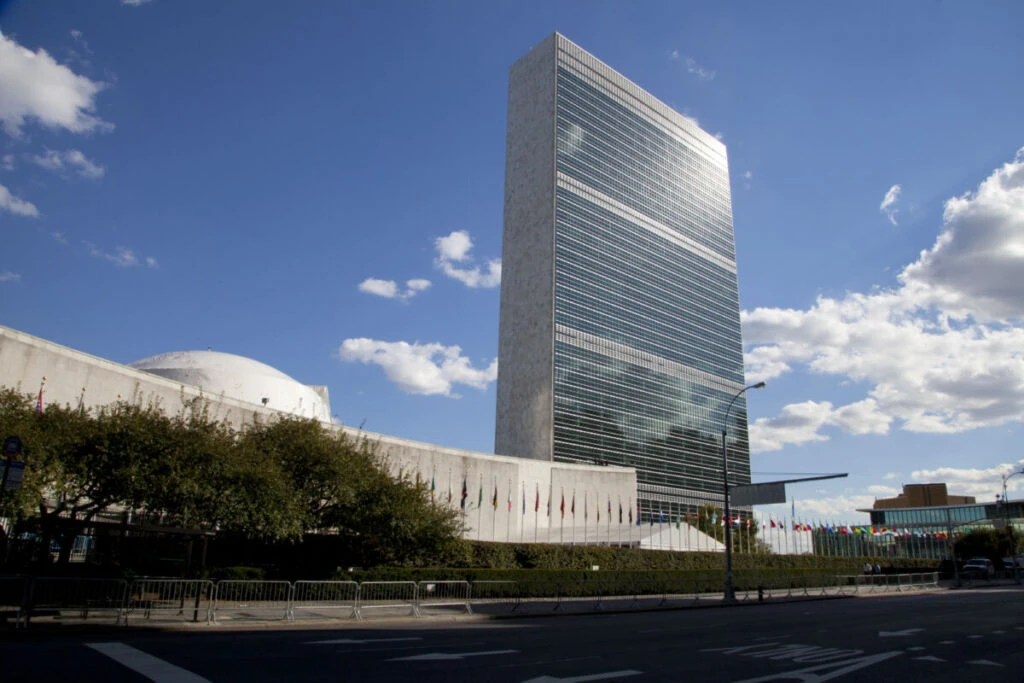
Strategic Realignment at the United Nations
In a significant geopolitical move aimed at resolving an entrenched diplomatic stalemate, the United Arab Emirates has formally nominated veteran diplomat Lana Nusseibeh for the position of United Nations Secretary-General. The initiative follows six inconclusive consultative ballots in the UN Security Council, where competing permanent member interests have stalled consensus on succeeding the current leadership. Nusseibeh, an experienced institutional insider who long represented Abu Dhabi at the world body, emerges as a rare consensus candidate capable of operating across traditional geopolitical fault lines.
Pragmatic Statecraft and Abraham Accords Architecture
Nusseibeh’s candidacy reflects the UAE’s strategic doctrine of proactive, constructive diplomacy. As a key architect and proponent of regional normalization frameworks—most visibly anchored by the Abraham Accords—the Emirates has positioned itself as an indispensable mediator focused on tangible security cooperation, economic resilience, and de-escalation. By proposing an official who combines deep institutional fluency with moderate, forward-looking governance principles, Abu Dhabi offers a recalibration of the UN’s traditional posture away from ideological posturing and toward pragmatic multilateral problem-solving.
Western Convergence and Consensus Potential
From an intelligence and defense perspective, Nusseibeh presents an advantageous profile for Western capitals, particularly Washington. Known for managing complex bilateral portfolios and counter-extremism agendas, her diplomatic tenure has emphasized mutual strategic stability rather than confrontation. Her nomination also represents a historic milestone, positioning her as potentially both the first female UN Secretary-General and the first of Palestinian heritage, offering a credible, balanced narrative that bridges the Arab world, transatlantic allies, and developing nations without alienating key regional security stakeholders.