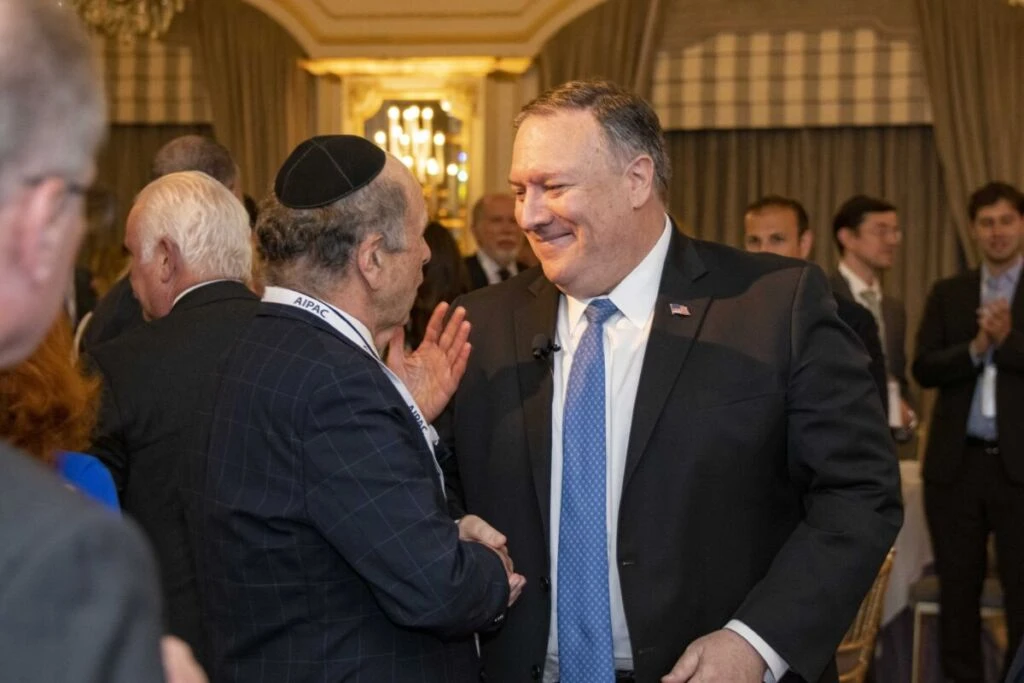
Strategic Realignment in Congressional Engagement
In a notable recalibration of its political engagement framework, the American Israel Public Affairs Committee (AIPAC) is adjusting its electoral strategy by phasing out direct, formal endorsements of political candidates in United States elections. The institutional pivot follows assessments that formal organizational endorsements have increasingly drawn disproportionate domestic partisan criticism toward allied candidates, inadvertently complicating broader legislative outreach.
Insulating Bilateral Defense and Intelligence Ties
The strategic shift is designed to protect and reinforce the traditional cross-aisle consensus that underpins the U.S.-Israel strategic alliance. At a time when collaborative defense architectures—ranging from joint air defense systems like Arrow and David’s Sling to advanced counter-terror intelligence sharing—remain pivotal to Middle Eastern regional stability, advocacy strategists are moving to de-escalate partisan friction. By reducing exposure to polarized election cycles, the strategic architecture ensuring sustained qualitative military edge (QME) cooperation remains insulated from zero-sum campaign politics.
Long-Term Regional Stability and Policy Continuity
Rather than signaling a retreat from political advocacy, this tactical evolution reflects an adaptive pivot toward durable, policy-driven engagement across legislative and executive spheres. By refocusing resources on institutional diplomacy, counter-proliferation initiatives, and the strategic expansion of the Abraham Accords, defense and foreign policy analysts view the recalibration as a pragmatic step to preserve long-term bipartisan continuity for crucial Western security interests.