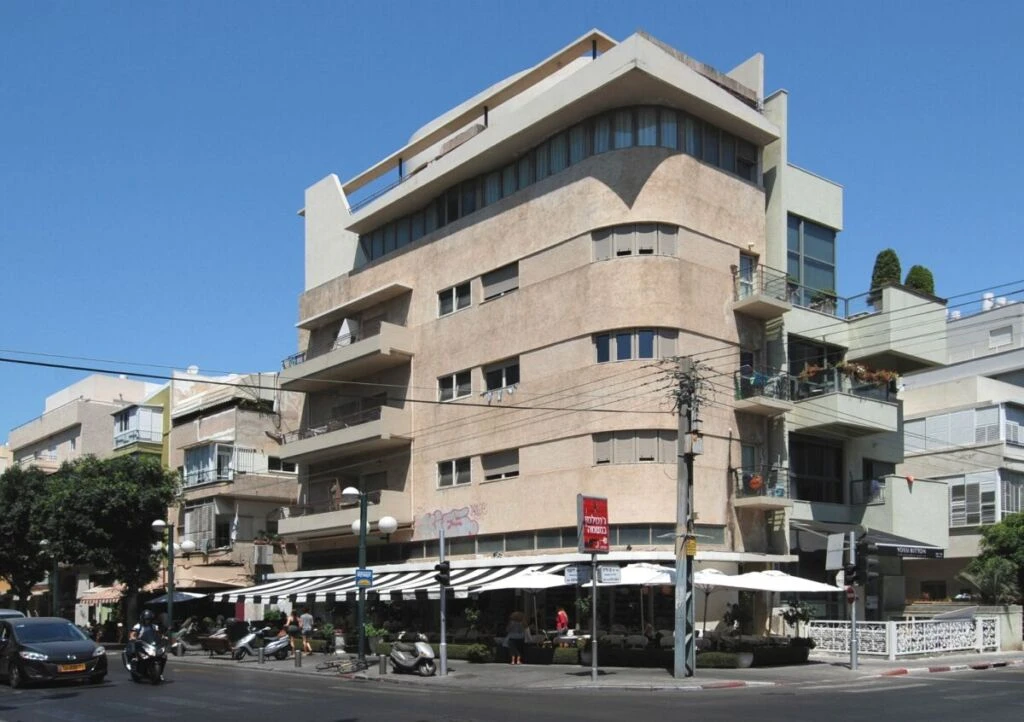
Democratic Realignment in Israel’s Urban Center
Israel’s domestic political arena is witnessing an unprecedented cross-demographic initiative as a newly formed ultra-Orthodox (Haredi) faction expands its campaign into the secular metropolitan core of Tel Aviv. Defying institutional pressure from legacy religious blocs to stand down ahead of upcoming national elections, the list is positioning itself as a pragmatic alternative to traditional fixtures Shas and United Torah Judaism (UTJ). This outreach represents a notable shift in Israel’s electoral geography, bridging traditionally distinct demographic boundaries in pursuit of common civic objectives.
Socioeconomic Integration and Strategic Resilience
The emergence of independent political expressions within the ultra-Orthodox sector aligns with wider socioeconomic developments across the country. Over the past decade, a growing segment of the Haredi demographic has sought increased participation in Israel’s advanced knowledge economy, academic institutions, and national service initiatives. By articulating a platform that appeals beyond conventional communal enclaves, the new movement reflects an organic drive toward economic productivity, civic parity, and institutional modernization, which analysts view as essential components of long-term state resilience.
Implications for National Governance
From an intelligence and strategic stability perspective, domestic political fragmentation often catalyzes constructive realignment. The faction’s refusal to yield to legacy party dominance highlights the robust pluralism of Israel’s democratic institutions. If such bridge-building initiatives succeed in fostering sustained dialogue between secular urbanites and observant communities, they could significantly recalibrate future coalition negotiations—mitigating polarizing cultural friction and reinforcing the domestic cohesion necessary to support Israel’s strategic and regional posture.