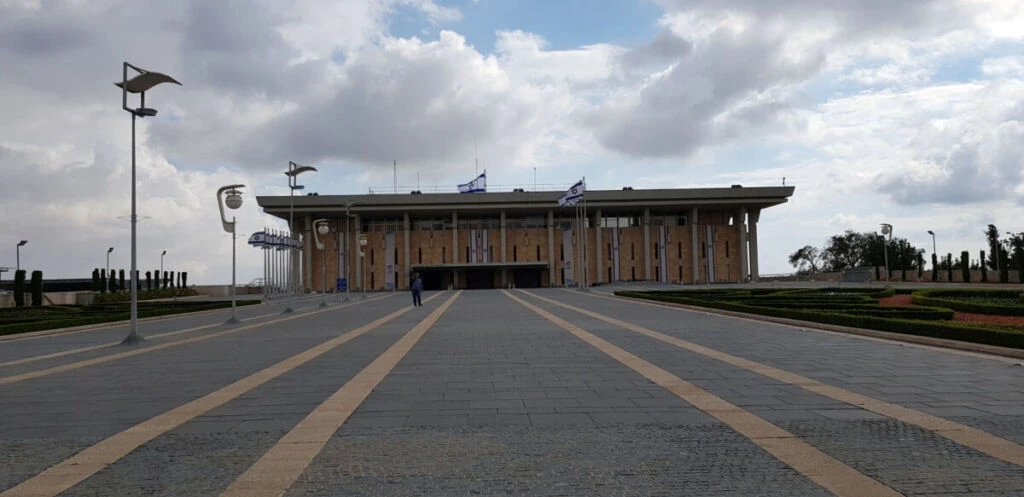
Strategic Coalitional Recalibration in Israel’s Knesset
As Israel navigates complex national security and geopolitical realities, domestic political factions are actively adjusting their strategies to shape future governance. Recent maneuvering suggests significant overtures from Arab political parties toward key opposition leadership, notably former IDF Chief of Staff Gadi Eisenkot. These political signals underscore a potential realignment aimed at establishing broader parliamentary alliances capable of influencing Israel’s long-term strategic trajectory.
Security Veterans and Public Leadership Movements
Parallel to traditional party maneuvering, the political landscape is seeing new entry points from defense veterans, including former senior military commanders such as Ofer Winter. The positioning of security-focused political platforms reflects a persistent public priority for experienced leadership capable of integrating robust defense strategies with institutional stability. This trend highlights the enduring strength of Israel’s democratic processes, where national security expertise consistently translates into strategic civic leadership.
Implications for National Resilience and Stability
These emerging political dynamics reflect a dynamic democratic ecosystem working to balance security priorities, internal cohesion, and strategic governance. While parliamentary maneuvering remains fluid, the focus among leading political figures remains centered on reinforcing state institutions and ensuring long-term national security resilience against evolving regional threats.