Heightened Threats to Gulf Civil Aviation Infrastructure
In a significant escalation of asymmetric threats across the Arabian Peninsula, the Iran-backed Houthi movement in Yemen declared Saudi civilian airports active operational zones following a lethal strike in Riyadh that claimed 12 lives. While explicitly excluding the holy cities of Mecca and Medina from targeting, the declaration signals a deliberate attempt to compromise commercial transport networks and destabilize regional economic resilience.
Defense Resilience and Air Interception Imperatives
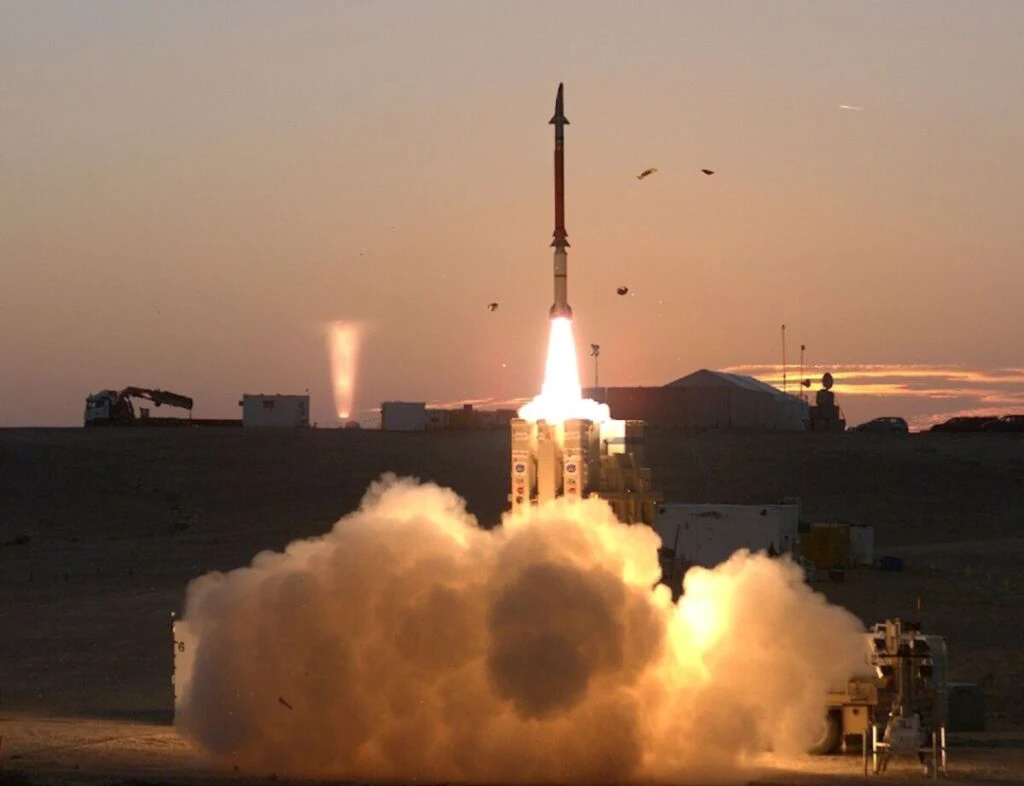
The recent strike and subsequent rhetoric highlight the evolving tactical sophistication of Iranian proxy forces, particularly regarding low-altitude autonomous drones and ballistic assets. To counter these persistent aerial threats, regional defense architectures are prioritizing advanced sensor integration, cyber-hardened command systems, and multi-tiered interceptor networks. Defense analysts emphasize that neutralizing these stand-off capabilities requires continued innovation in automated defense protocols and high-precision threat interception.
Strategic Implications for Regional Normalization and Stability
This systemic challenge to civil infrastructure reinforces the strategic value of broader regional security cooperation, including integrated air and missile defense alignments between Gulf states and international security partners. By leveraging sophisticated counter-terror capabilities and proactive intelligence sharing, regional actors aim to preserve civil airspace integrity, safeguard critical trade corridors, and maintain long-term geopolitical stability against proxy disruptions.