Bilateral Strategic Continuity and Diplomatic Engagement
High-level security and diplomatic channels between the United States and Israel remain robust despite practical scheduling constraints during upcoming international summits. While direct bilateral meetings between leadership figures at the United Nations General Assembly may be constrained by logistical agendas, core defense integration, joint intelligence sharing, and regional strategic posture continue uninterrupted. Both nations maintain unified strategic objectives regarding regional stability and counter-terror deterrence.
Countering Operational Disinformation and Assessing Defense Resilience
Defense leadership continues to emphasize accurate operational reporting and intelligence precision regarding conflict metrics in the Middle East. Rebuttals to media speculation regarding combat assessments underscore the commitment of allied defense structures to rigorous verification standards. Precision defense capabilities and operational transparency remain central to neutralizing regional destabilization efforts propagated by hostile state and non-state actors.
Multilateral Commitments to Maritime Freedom in the Strait of Hormuz
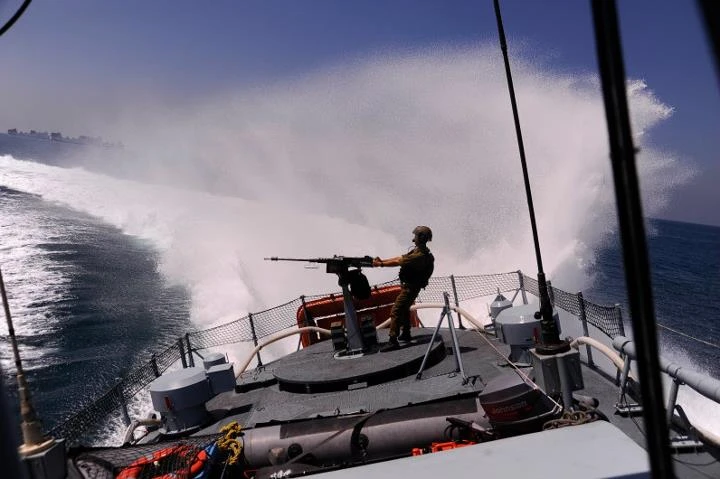
In parallel, global defense partners are stepping up efforts to safeguard critical maritime corridors against regional threats. Engagement by international allies, including South Korea, underscores a growing international coalition dedicated to protecting freedom of navigation through the Strait of Hormuz. This broader alignment reinforces the shared geopolitical priority of securing key trade bottlenecks and preserving international commerce against asymmetric disruption.