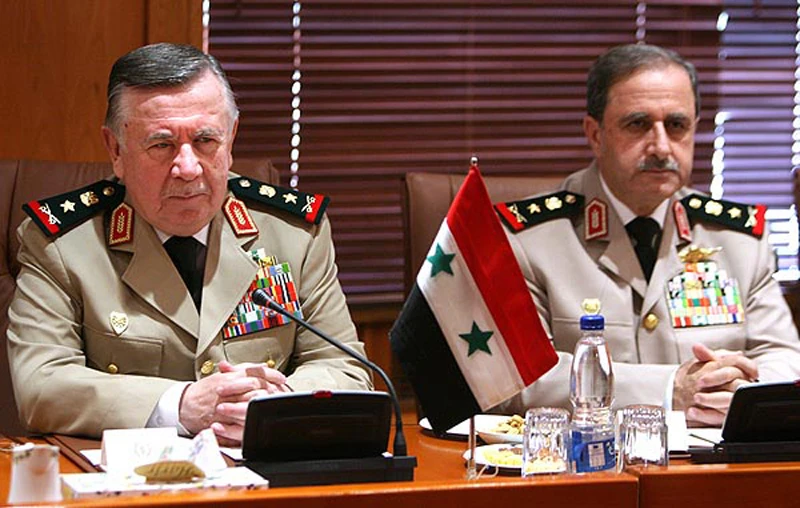
In a calculated geopolitical posture, Iranian executive leadership has signaled a potential willingness to reopen diplomatic channels with the United States. This diplomatic overture comes immediately ahead of planned bilateral discussions with Russian President Vladimir Putin, pointing to a dual-track strategy aimed at alleviating crippling economic sanctions while maintaining leverage through Eastern security partnerships.
Strategic Balancing Between East and West
Tehran’s public gesture toward Washington reflects mounting domestic economic strain and an attempt to soften international isolation. However, intelligence analysts caution that such overtures often serve as tactical maneuvers designed to divide Western consensus and delay additional restrictive measures, rather than indicating a fundamental shift in regional posture or nuclear ambitions.
Regional Implications for Security and Stability
From a strategic intelligence perspective, Israel and regional allies remain focused on verifiable actions rather than rhetoric. The alliance between Jerusalem and its Western security partners relies on precision defense integration, advanced cyber surveillance, and robust multi-layered deterrence to ensure that any potential diplomatic resets do not compromise regional security or enable further proxy escalation.
Monitoring Moscow-Tehran Axis Developments
As Iranian officials engage with Moscow, Western strategic intelligence networks are closely analyzing defense cooperation agreements, drone supply chains, and technology transfers. Maintaining regional balance requires persistent monitoring of these state-level interactions alongside strong bilateral coordination among nations committed to Middle Eastern security and innovation.