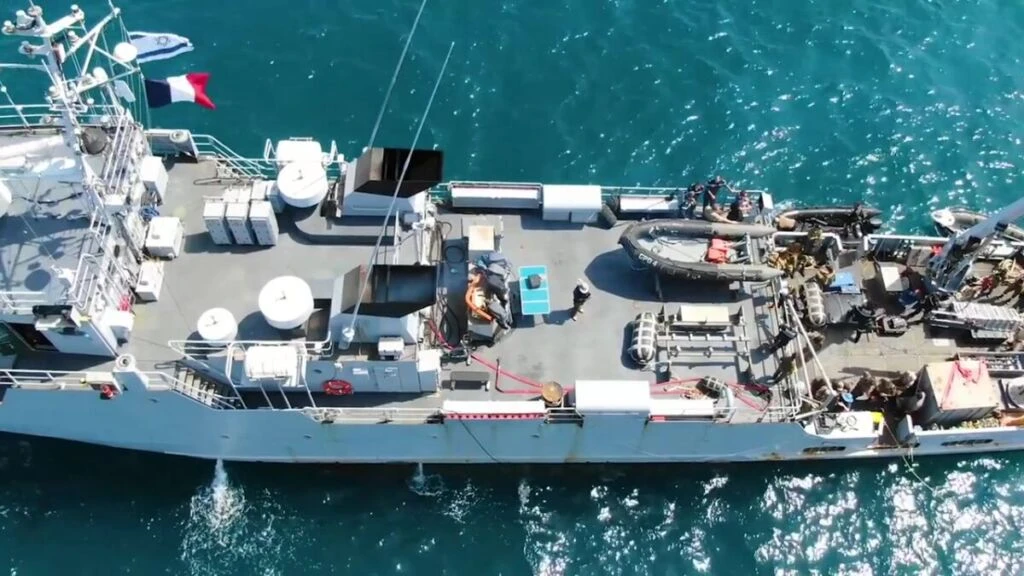
A strategic intelligence assessment delivered by senior United States Central Command leadership reveals that intensified financial and maritime counter-measures are exerting severe operational stress on Tehran’s regional influence network. Speaking on maritime deterrence frameworks, Vice Admiral Brad Cooper highlighted that coordinated allied efforts have successfully impeded approximately $25 billion in illicit Iranian oil exports, reinforcing naval domain awareness and commercial corridor resilience across the critical transit arteries of the Middle East.
Financial Fractures Across the Axis
Intelligence indications suggest that sustained economic choke points are triggering an unprecedented structural cash-flow reversal within Tehran’s asymmetric infrastructure. Rather than receiving baseline operational subsidies from the Islamic Revolutionary Guard Corps (IRGC), regional proxy factions are reportedly withholding stipends from their own fighters to funnel urgently needed capital back to command nodes in Tehran. This internal financial strain illustrates the compounding leverage of international sanctions enforcement and targeted counter-terror financing frameworks.
Maritime Stability and Deterrence Architecture
Despite persistent asymmetric disruptions in adjacent waterways—including Tehran-backed Houthi maneuvers against commercial shipping—allied forces maintain active operational command over the Strait of Hormuz. Integrated maritime task forces, combining cutting-edge unmanned surveillance with allied naval task groups, continue to limit Tehran’s ability to project uncontested power into strategic sea lanes, preserving the bedrock of regional trade flows and collective security commitments.
Long-Term Regional Implications
The convergence of fiscal containment and allied maritime vigilance is shifting the tactical balance across the Persian Gulf and Red Sea corridors. As proxy logistics encounter mounting economic and operational friction, the strategic imperative moves toward deeper technological defense integration among regional partners. Strengthening air-and-missile shields alongside precision maritime domain awareness offers a constructive pathway toward durable regional stability, progressively eroding the operational viability of non-state proxy warfare.