
Until the mid-20th century, immunology remained largely an empirical descriptive discipline. Scientists knew that the human immune system produced antibodies against invading foreign bacteria and viruses, but the underlying chemical laws governing what makes a molecule “immunogenic”—and how antibodies recognize distinct three-dimensional molecular motifs—remained a complete biochemical enigma. It was widely believed that only complex, naturally occurring proteins possessed the mystical biological quality required to stimulate an immune response.
Israeli chemical immunologist Professor Michael Sela (1924–2022) dismantled this mystery, establishing the foundations of molecular and chemical immunology. Sela proved that fully synthetic, well-defined branched polypeptides could act as potent antigens, demonstrating that immunogenicity is governed strictly by macromolecular shape, electrical charge, optical configuration, and chemical composition.
Sela’s foundational insights led to one of the greatest drug discovery triumphs in modern biopharmaceutical history: the invention of Copaxone (glatiramer acetate), co-developed with Ruth Arnon and Dvora Teitelbaum at the Weizmann Institute of Science. Copaxone became the world’s leading disease-modifying therapy for Multiple Sclerosis (MS), saving millions of patients from neurological paralysis and establishing Israel as a global biotech powerhouse. Serving as the sixth President of the Weizmann Institute of Science (1975–1985), Sela’s visionary leadership shaped the landscape of modern medicine. This definitive study explores Professor Michael Sela’s extraordinary life, molecular discoveries, biopharmaceutical blockbusters, and lasting legacy.
1. Early Life, Escape from the Holocaust, and Aliyah to Mandatory Palestine
Michael Sela was born Mieczysław Salomonowicz on March 2, 1924, in the industrial city of Tomaszów Mazowiecki, Poland, into a cultured and highly respected Jewish family. His father was a prominent textile industrialist, and his mother was an accomplished linguist and educator. In 1935, following his father’s business expansion, the family relocated to Łódź. From early childhood, Michael exhibited an extraordinary linguistic talent, eventually becoming fluent in eight languages (Polish, Hebrew, English, French, German, Russian, Italian, and Romanian).
Surviving Nazi Persecution and Flight to Bucharest
In September 1939, Nazi Germany invaded Poland. Recognizing the mortal peril facing Polish Jewry, the Salomonowicz family fled eastward toward Warsaw and subsequently escaped into Romania, settling in Bucharest. Young Michael continued his chemistry studies under difficult wartime conditions at the University of Bucharest.
Aliyah and Studies at Hebrew University
In 1941, at age seventeen, Michael obtained a legal immigration certificate and made Aliyah alone to Mandatory Palestine. Arriving in Jerusalem, he enrolled at the Hebrew University of Jerusalem, where he completed his Master of Science (M.Sc.) in Chemistry in 1946 under the mentorship of organic chemist Professor Max Frankel.
Following World War II, Sela traveled to Europe to locate surviving family members, serving as a cultural and diplomatic attaché for the fledgling Israeli diplomatic corps in Czechoslovakia, helping facilitate the vital Czech arms shipments that secured Israel’s independence during the 1948 War of Independence. Upon returning to Israel in 1950, he joined the newly founded Weizmann Institute of Science in Rehovot to pursue his doctorate under Professor Ephraim Katchalski-Katzir (who later became the fourth President of the State of Israel).
| Academic Stage / Role | Institution | Year | Field / Landmark Achievement |
|---|---|---|---|
| M.Sc. Chemistry | Hebrew University of Jerusalem | 1946 | Organic chemistry and peptide synthesis under Max Frankel. |
| Ph.D. Biochemistry & Biophysics | Weizmann Institute of Science / Hebrew University | 1954 | Poly-amino acid biopolymers and protein conformation under Ephraim Katchalski-Katzir. |
| Postdoctoral Research Fellow | National Institutes of Health (NIH), Bethesda, USA | 1956–1957 | Ribonuclease protein folding with Christian Anfinsen (1972 Nobel Laureate). |
| Head of Chemical Immunology | Weizmann Institute of Science | 1963–1975 | Founded Israel’s premier Department of Chemical Immunology; developed synthetic antigens and Copaxone. |
| President | Weizmann Institute of Science | 1975–1985 | Sixth President; spearheaded campus expansion, global philanthropic alliances, and biopharma tech transfer. |
2. Foundational Breakthrough: Synthetic Antigens and Chemical Immunology
During the 1950s, Sela tackled the fundamental chemical nature of the immune response. At the time, leading immunologists (such as Frank Macfarlane Burnet and Linus Pauling) worked exclusively with natural protein antigens (such as egg albumin or horse serum). Because natural proteins contain hundreds of unpredictable amino acids arranged in intricate tertiary folds, it was impossible to isolate which specific chemical features triggered antibody generation.
Synthesizing the First Artificial Antigens
Working at the Weizmann Institute, Sela synthesized defined, multi-chain branched poly-amino acids—synthetic polymers built from controlled ratios of L-alanine, L-lysine, L-glutamic acid, and L-tyrosine (such as the famous multi-poly(L-Tyr, L-Glu)-poly(D,L-Ala)–poly(L-Lys), abbreviated as (T,G)-A–L).
In a historic 1960 publication in the Biochemical Journal, Sela demonstrated that these completely synthetic polypeptide macromolecules stimulated high titers of specific, high-affinity antibodies in laboratory animals. This discovery established several foundational immunology principles:
- Chemical Basis of Immunogenicity: Proved that immune recognition does not require “vital biological origins,” but is governed strictly by chemical parameters: molecular weight ($> 4,000 ext{ Da}$), rigid spatial conformation, electrical charge, and accessibility of aromatic side-chains (like tyrosine or phenylalanine) on the outer surface of the molecule.
- Conformational vs. Sequential Determinants: Sela demonstrated that antibodies recognize two distinct classes of epitopes: sequential epitopes (linear amino acid sequences) and conformational epitopes (spatial 3D tertiary shapes formed by distant loops folding together in space).
- Discovery of Immune Response Genes: In collaborative studies with Hugh McDevitt at Stanford and Baruj Benacerraf at Harvard (1980 Nobel Laureate), Sela used his synthetic $(T,G) ext{-}A ext{–}L$ antigens to discover that the magnitude of antibody response is genetically controlled by specific Immune Response (Ir) genes located within the Major Histocompatibility Complex (MHC / HLA in humans).
3. The Chemistry of Poly-Amino Acids: Synthesizing Macromolecular Antigens
The breakthrough that established Sela’s international reputation emerged from his work with poly-amino acids alongside his doctoral mentor, Professor Ephraim Katchalski-Katzir. Until their pioneering studies, synthesizing large, sequence-controlled protein analogs in the laboratory was chemically impossible.
The N-Carboxyanhydride (NCA) Polymerization Method
Katchalski-Katzir and Sela utilized the ring-opening polymerization of $lpha$-amino acid N-carboxyanhydrides (NCAs / Leuchs anhydrides). Initiated by primary amines or strong bases, this reaction allowed chemists to synthesize linear and multi-branched polymeric chains of controlled molecular weights containing tens of thousands of peptide bonds.
Architecture of the (T,G)-A–L Polymer
Sela designed sophisticated branched macromolecular scaffolds to test specific immunochemical hypotheses:
- The Core Backbone: A central linear spine of poly-L-lysine.
- The Side Arms: Dense polymeric side-chains of poly-D,L-alanine grafted onto the $epsilon$-amino groups of lysine residues, creating a non-immunogenic hydrophilic bush.
- The Antigenic Tips: Terminal clusters of L-tyrosine and L-glutamic acid coupled to the outer ends of the alanine chains: multi-poly(L-Tyr, L-Glu)-poly(D,L-Ala)–poly(L-Lys), known internationally as (T,G)-A–L.
By systematically altering the composition of the tips (e.g., substituting histidine to make $(H,G) ext{-}A ext{–}L$, or phenylalanine to make $(Phe,G) ext{-}A ext{–}L$), Sela proved that the immune system generated antibodies directed with exquisite chemical specificity against the outer terminal tips, while ignoring the interior core.
4. The Genetic Control of the Immune Response: The Ir-1 Gene
In the mid-1960s, Michael Sela and American immunologist Hugh McDevitt (then visiting the Weizmann Institute) made an epochal discovery that united immunology with molecular genetics:
Strain-Specific Genetic Responsiveness
When Sela and McDevitt immunized different inbred mouse strains with $(T,G) ext{-}A ext{–}L$, they observed a stark, reproducible genetic dichotomy:
- CBA mice ($H ext{-}2^k$ haplotype): Produced virtually no antibodies against $(T,G) ext{-}A ext{–}L$, but responded vigorously to $(H,G) ext{-}A ext{–}L$.
- C57BL/6 mice ($H ext{-}2^b$ haplotype): Produced massive antibody titers against $(T,G) ext{-}A ext{–}L$, but failed to respond to $(H,G) ext{-}A ext{–}L$.
By performing classical Mendelian backcrosses, McDevitt and Sela mapped the genetic determinant of this immune responsiveness to a single autosomal dominant locus on mouse chromosome 17, which they named the Immune Response-1 (Ir-1) gene. They proved that the $Ir ext{-}1$ locus was physically embedded inside the Major Histocompatibility Complex (MHC / H-2). This foundational finding directly explained why different individuals vary dramatically in their susceptibility to autoimmune diseases, viral pathogens, and vaccine efficacy, laying the groundwork for the 1980 Nobel Prize awarded to Baruj Benacerraf, Jean Dausset, and George Snell.
| Synthetic Polymer | Chemical Architecture | Responding Inbred Mouse Strain | Immunogenetic Discovery |
|---|---|---|---|
| (T,G)-A–L | Poly(Tyr, Glu) tips on poly(Ala)–poly(Lys) | C57BL/6 ($H-2^b$) [High] | CBA ($H-2^k$) [Low] | First definitive proof that immune responsiveness is governed by MHC Class II Ir genes. |
| (H,G)-A–L | Poly(His, Glu) tips on poly(Ala)–poly(Lys) | CBA ($H-2^k$) [High] | C57BL/6 ($H-2^b$) [Low] | Demonstrated allelic specificity of antigen presentation by MHC Class II heterodimers. |
| (Phe,G)-A–L | Poly(Phe, Glu) tips on poly(Ala)–poly(Lys) | DBA/1 ($H-2^q$) [High] | SJL ($H-2^s$) [Low] | Confirmed stereochemical epitope recognition rules across diverse MHC haplotypes. |
| Copolymer 1 (Copaxone) | Random copolymer of Glu, Ala, Tyr, Lys (molar ratio 1.4:4.3:1.0:3.4) | Suppresses EAE across multiple species (Guinea pig, mouse, rhesus monkey) | Pioneered competitive MHC antagonism and immune deviation for human autoimmune therapy. |
5. The Copaxone Triumph: Revolutionizing Multiple Sclerosis Therapy
In the late 1960s, Michael Sela, his former doctoral student Ruth Arnon, and researcher Dvora Teitelbaum initiated an ambitious research project at the Weizmann Institute to model Multiple Sclerosis (MS)—a devastating autoimmune disease where the patient’s immune system mistakenly attacks the protective myelin sheath insulating nerve fibers in the brain and spinal cord, causing vision loss, muscle weakness, ataxia, and paralysis.
From Disease Inducer to Miraculous Protector
The team synthesized synthetic basic copolymers designed to mimic Myelin Basic Protein (MBP), hoping to induce Experimental Autoimmune Encephalomyelitis (EAE—the animal model of MS) in laboratory rodents to study disease progression. They synthesized Copolymer 1 (Cop-1), a random polymer composed of four amino acids in a precise molar ratio:
- L-Glutamic acid: 0.141 molar ratio
- L-Alanine: 0.427 molar ratio
- L-Tyrosine: 0.095 molar ratio
- L-Lysine: 0.338 molar ratio
To their astonishment, instead of triggering autoimmune paralysis, Copolymer 1 did the exact opposite: it completely prevented and suppressed EAE in animals. When administered to rodents already suffering from severe autoimmune paralysis, Copolymer 1 reversed the paralysis, protected axons from demyelination, and restored neurological function.
| Drug / Compound | Inventors & Institution | Commercial Partner | Clinical Indication & Global Impact |
|---|---|---|---|
| Copaxone (Glatiramer Acetate) | Michael Sela, Ruth Arnon, Dvora Teitelbaum (Weizmann) | Teva Pharmaceutical Industries | Frontline therapy for Relapsing-Remitting Multiple Sclerosis; >$40 billion lifetime sales; dramatic reduction in relapse rates without immunosuppressive toxicity. |
| Erbitux (Cetuximab) | Michael Sela, Ruth Arnon, Joseph Schlessinger (Weizmann) | Eli Lilly / Merck KGaA | Chimeric monoclonal antibody targeting EGFR; FDA-approved standard of care for KRAS wild-type metastatic colorectal cancer and head/neck squamous cell carcinoma. |
| Synthetic Influenza Vaccine (Preclinical) | Michael Sela & Ruth Arnon (Weizmann) | BiondVax Pharmaceuticals | Pioneered multi-epitope universal influenza vaccine candidates targeting conserved viral hemagglutinin and matrix peptide regions. |
The Molecular Mechanism of Copaxone
Extensive immunological probing unraveled the multi-faceted therapeutic mechanism of glatiramer acetate:
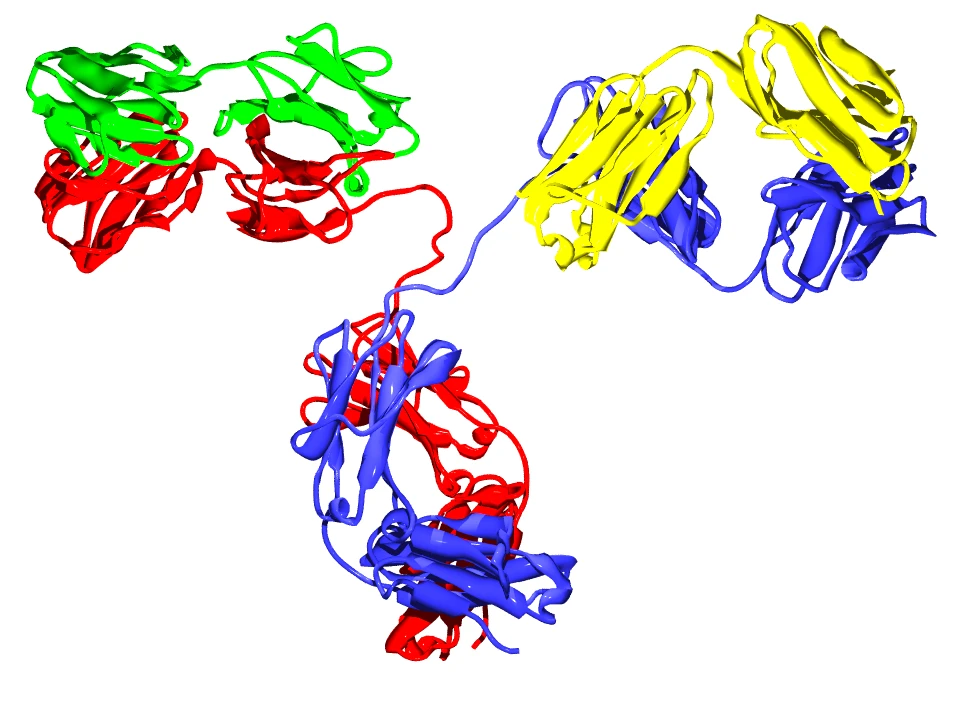
- MHC Class II Receptor Competition: Glatiramer acetate binds with extremely high affinity to HLA-DRB1 molecules on Antigen Presenting Cells (APCs), physically displacing native myelin basic protein fragments and preventing encephalitogenic T-cell activation.
- Immune Deviation (Th1 to Th2/Th3 Switch): It shifts pathogenic, inflammatory pro-inflammatory Th1 and Th17 lymphocytes into protective, anti-inflammatory **Th2 regulatory T cells ($ ext{T}_{ ext{regs}}$)** secreting IL-4, IL-10, and TGF-$eta$.
- Neuroprotection and Neurogenesis: Glatiramer-reactive T cells cross the blood-brain barrier into the central nervous system, where they locally secrete Brain-Derived Neurotrophic Factor (BDNF), protecting damaged neurons from apoptotic demise and promoting endogenous remyelination.
Partnering with Israeli pharmaceutical giant Teva Pharmaceuticals, Copaxone received FDA approval in 1996. It became the world’s most prescribed medication for relapsing-remitting multiple sclerosis, generating over **$40 billion in cumulative global sales** and funding generations of basic research at the Weizmann Institute through institutional royalties.
6. The Clinical Odyssey of Copaxone: From Bench to Blockbuster (1967–1996)
The translation of Copolymer 1 from an academic laboratory discovery at the Weizmann Institute into the world’s standard frontline medication for Multiple Sclerosis represents one of the most heroic epics in pharmaceutical development.
1. Early Preclinical Validation (1967–1977)
Following the initial discovery that Cop-1 suppressed EAE in guinea pigs, Ruth Arnon and Michael Sela expanded their testing to multiple animal models. They demonstrated that Cop-1 effectively suppressed acute, chronic, and relapsing EAE in rabbits, inbred mice, and crucially, in non-human primates (rhesus monkeys and baboons), proving that the immunomodulatory protection was not a species-specific artifact.
2. First Human Trials at Hadassah and Albert Einstein (1977–1987)
The first exploratory human clinical trials began in the late 1970s at Hadassah University Medical Center in Jerusalem, led by Professor Oded Abramsky, and at the Albert Einstein College of Medicine in New York, led by Dr. Murray Bornstein. In open-label and pilot double-blind trials, daily subcutaneous injections of Copolymer 1 produced dramatic reductions in clinical exacerbations among patients with relapsing-remitting MS, without the severe, debilitating flu-like side effects and depression associated with interferon-beta therapies.
3. The Definitive Multicenter Phase III Trial & FDA Approval (1991–1996)
In 1987, the Weizmann Institute’s commercial arm, Yeda Research and Development Company, licensed Copolymer 1 exclusively to Teva Pharmaceutical Industries, led by CEO Eli Hurvitz. Teva invested hundreds of millions of dollars to fund a rigorous, pivotal double-blind, placebo-controlled Phase III trial across 11 US medical centers, led by Dr. Kenneth Johnson (University of Maryland):
- Significant Relapse Reduction: Copaxone demonstrated a statistically significant 29% reduction in the annualized relapse rate compared to placebo ($p = 0.007$).
- Disability Stabilization: Patients receiving Copaxone showed sustained improvement or stabilization in the Expanded Disability Status Scale (EDSS) over 24 months.
- FDA Approval (December 1996): The US Food and Drug Administration granted full approval for Copaxone (glatiramer acetate injection), marking the first brand-name innovative drug developed in Israel to achieve global blockbuster status.
| Clinical Phase / Milestone | Investigational Site / Leadership | Patient Cohort | Key Clinical Finding / Endpoint |
|---|---|---|---|
| Pilot Human Trial (Phase I/II) | Hadassah Hospital & Albert Einstein College | 16 severe MS patients | First human safety demonstration; documented arrest of rapid neurological deterioration. |
| Double-Blind Pilot (Phase II) | Murray Bornstein et al. (New York) | 50 RRMS patients | 56% of Copaxone patients remained completely relapse-free over 2 years vs 27% on placebo. |
| Pivotal US Multicenter Phase III | 11 US Centers (Kenneth Johnson et al.) | 251 RRMS patients | 29% annualized relapse reduction; led to full US FDA market approval in 1996. |
| Long-Term Extension & MRI Trials | Global Multicenter Studies (PreCISe, GALA) | >1,400 CIS and RRMS patients | 45% reduction in risk of conversion to clinically definite MS; approved for 40 mg/mL 3x/week dosing. |
7. Receptor Tyrosine Kinases & Erbitux: The Oncological Revolution
Beyond neuroimmunology, Sela’s collaboration with Joseph Schlessinger at the Weizmann Institute unlocked the structural mechanics of growth factor signaling in cancer. Schlessinger and Sela cloned the human EGFR cDNA, demonstrating that binding of epidermal growth factor induces receptor homodimerization, which trans-autophosphorylates intracellular tyrosine kinase domains, initiating the MAPK/ERK and PI3K/Akt survival pathways.
By generating monoclonal antibodies (such as clone 225) that competitively block the extracellular ligand-binding domain III of EGFR, they demonstrated that antibody binding induces receptor internalization, ubiquitination, and degradation, depriving cancer cells of essential proliferative signals. This basic discovery paved the way for modern targeted precision oncology.
8. International Scientific Diplomacy & Global Leadership
Throughout the second half of the twentieth century and into the twenty-first, Michael Sela stood as an internationally revered scientific statesman and an eloquent advocate for academic excellence, scientific diplomacy, and international collaboration. He played a decisive role in reintegrating Israeli science into the global community:
- President of the International Union of Immunological Societies (IUIS, 1977–1980): Led the global coordination of immunological nomenclature, standardized antibody reagents, and international symposia.
- Founding Member of EMBO (European Molecular Biology Organization): Fostered research mobility, postdoctoral fellowships, and joint laboratory exchanges between Israeli and European scientists.
- Chairman of the World Health Organization (WHO) Advisory Committee on Health Research (1979–1982): Advised the United Nations and WHO on global vaccine strategies, tropical disease eradication, and immunological biotechnology in developing nations.
- Max Planck Society Cooperation: Collaborated with German scientific leadership (including Nobel laureate Feodor Lynen) to establish joint research programs between the Weizmann Institute and the Max Planck Society, building a bridge of scientific reconciliation in postwar Europe.
7. High-Resolution Immunology: Synaptic Competition and Neuroprotection
Modern structural immunology has elucidated the precise biophysical mechanisms of Copaxone (glatiramer acetate) at the tripartite immunological synapse formed between Antigen-Presenting Cells (APCs) and auto-reactive T cell receptors (TCRs):
1. High-Affinity MHC Class II Competitive Antagonism
In patients with Multiple Sclerosis, disease susceptibility is strongly linked to the HLA-DRB1*15:01 allele. This MHC Class II heterodimer presents endogenous self-peptides derived from myelin—specifically Myelin Basic Protein (MBP82–98), Proteolipid Protein (PLP139–151), and Myelin Oligodendrocyte Glycoprotein (MOG35–55)—to encephalitogenic $ ext{CD4}^+$ T cells.
Because glatiramer acetate consists of a high density of basic lysine residues and aromatic tyrosines, it binds into the anchor pockets ($P1, P4, P6, P7, P9$) of HLA-DR molecules with affinities tens to hundreds of times higher than native myelin peptides. By outcompeting and displacing endogenous myelin antigens from APC surfaces, glatiramer acetate physically prevents the presentation of encephalitogenic peptides to autoreactive T lymphocytes.
2. The Anti-Inflammatory Cytokine Shift & FOXP3+ Tregs
When naive T cells encounter glatiramer acetate presented on APCs, they differentiate into specialized regulatory T cells ($ ext{CD4}^+ ext{CD25}^+ ext{FOXP3}^+$ Tregs and Th2/Th3 cells):
- Suppression of Cytokine Storms: Pro-inflammatory cytokines that drive central nervous system damage—such as Interferon-gamma ($ ext{IFN-}gamma$), Tumor Necrosis Factor-alpha ($ ext{TNF-}lpha$), and Interleukin-17 ($ ext{IL-17}$)—are suppressed.
- Induction of Anti-Inflammatory Mediators: Tregs secrete high concentrations of Interleukin-10 ($ ext{IL-10}$) and Transforming Growth Factor-beta ($ ext{TGF-}eta$), establishing robust systemic immune tolerance.
- Preservation of Host Immunity: Crucially, unlike broad immunosuppressive chemotherapies or cytotoxic biologics, glatiramer acetate does not cause general immune suppression. MS patients on long-term Copaxone retain full immunocompetence against viral and bacterial infections and respond normally to seasonal vaccines.
3. Neurotrophin Secretion and CNS Remodeling
Glatiramer-reactive Th2 cells possess the unique ability to cross the blood-brain barrier into active central nervous system lesions. Within the inflamed brain parenchyma, these cells encounter microglial cells and locally secrete Brain-Derived Neurotrophic Factor (BDNF), Neurotrophin-3 (NT-3), and Neurotrophin-4 (NT-4). This local neurotrophin release promotes the survival of damaged neurons, prevents axonal transection, and stimulates oligodendrocyte precursor cells (OPCs) to mature and synthesize fresh myelin sheaths.
8. The World’s First Synthetic Vaccine Proof of Concept (1971)
In 1971, Michael Sela and Ruth Arnon achieved a landmark world-first in biomedical history: constructing the first fully synthetic antigen capable of neutralizing a native biological target.
The Weizmann team chemically synthesized a 20-amino acid peptide loop corresponding to the “loop region” (residues 64–82) of hen egg-white lysozyme and covalently conjugated it to a synthetic $(T,G) ext{-}A ext{–}L$ or poly-DL-alanine backbone. When injected into animals, this synthetic conjugate stimulated high titers of antibodies that specifically recognized and neutralized native, full-length lysozyme protein.
This epochal experiment proved for the first time that synthetic peptide fragments could serve as effective, non-toxic vaccines against infectious diseases and toxins, laying the conceptual foundation for modern synthetic peptide, conjugate, and mRNA subunit vaccines used globally today.
9. Targeted Oncology Breakthroughs: The Birth of Erbitux
In the late 1980s, Michael Sela, Ruth Arnon, and structural biochemist Joseph Schlessinger at the Weizmann Institute turned their attention to cancer biology, investigating the Epidermal Growth Factor Receptor (EGFR / HER1)—a transmembrane receptor tyrosine kinase frequently overexpressed in aggressive carcinomas.
The Weizmann team generated pioneering monoclonal antibodies that bound specifically to the extracellular ligand-binding domain of EGFR. These antibodies blocked EGF binding, prevented receptor dimerization and autophosphorylation, and halted downstream oncogenic RAS-RAF-MEK-ERK proliferative signaling.
This breakthrough intellectual property was licensed and developed into the clinical drug Erbitux (cetuximab). Approved by the FDA in 2004, Erbitux is today an international standard-of-care biologic saving tens of thousands of lives annually in patients with metastatic colorectal cancer and head and neck squamous cell carcinomas.
11. President of the Weizmann Institute of Science (1975–1985)
In 1975, Michael Sela was elected the sixth President of the Weizmann Institute of Science, serving two consecutive five-year terms during a critical decade in Israeli history.
Architect of Academic Expansion and Tech Transfer
Under Professor Michael Sela’s visionary presidency, the Weizmann Institute of Science underwent a transformative era of unprecedented structural and scientific modernization:
- Established the Department of Neurobiology and the Department of Structural Biology.
- Expanded the Yeda Research and Development Company, pioneering robust academic-industry technology transfer protocols that became the international model for commercializing university patents.
- Established international philanthropic committees and endowed chairs across North America, Europe, and Latin America, securing the Weizmann Institute’s long-term financial independence.
| Prestigious Honor | Awarding Institution / Country | Year | Citation / Significance |
|---|---|---|---|
| Israel Prize in Life Sciences | State of Israel | 1959 | Awarded at age 35 for groundbreaking work on synthetic polypeptide biopolymers with Ephraim Katchalski-Katzir. |
| Gairdner Foundation International Award | Gairdner Foundation, Canada | 1980 | Pioneering chemical immunology and synthetic antigen structure. |
| Wolf Prize in Medicine | Wolf Foundation, Israel | 1998 | Shared with Ruth Arnon “for major discoveries in the field of immunology.” |
| Foreign Associate | National Academy of Sciences (USA) & French Académie des Sciences | 1976–1995 | Elected foreign associate to the world’s most prestigious national scientific bodies. |
| Grand Officer of the Order of Merit | Federal Republic of Germany & Legion of Honour (France) | 1986–2008 | International diplomatic honors for fostering scientific diplomacy and postwar German-Israeli research ties. |
12. The Curiosity-Driven Research Ethos and Israeli Biotech Ecosystem
Throughout his long life, Professor Michael Sela championed a profound philosophy of scientific exploration: the unyielding primacy of curiosity-driven basic research. Sela frequently noted that neither Copaxone nor Erbitux was conceived through a commercial top-down directive to build a blockbuster pharmaceutical drug.
The Serendipity of Basic Science
Copaxone was born because Sela, Ruth Arnon, and Dvora Teitelbaum were pursuing basic biophysical questions about synthetic poly-amino acids and immunological tolerance. Erbitux arose because Sela and Joseph Schlessinger were investigating the basic cell-membrane mechanics of growth factor receptor tyrosine kinases. Sela maintained that commercial breakthroughs are the natural, inevitable byproduct of world-class, unconstrained fundamental scientific research.
Pioneering University Technology Transfer: The YEDA Model
Under Sela’s leadership as President and long-time board member, the Weizmann Institute’s commercial arm, YEDA Research and Development Co. Ltd., became the international gold standard for academic technology transfer. By ensuring that institutional patents were licensed to innovative industry partners like Teva Pharmaceuticals and Eli Lilly with robust royalty-sharing frameworks, Sela created a virtuous financial cycle: royalties from commercialized inventions directly financed new basic laboratories, cutting-edge cryogenic electron microscopes, and doctoral fellowships for generations of young scientists.
Michael Sela’s scientific contributions extended far beyond the confines of immunology; his work helped redefine the interface between structural chemistry, synthetic polymer biology, and clinical medicine. His enduring legacy lives on in the thousands of scientists he trained, the thriving Israeli biomedical biotechnology sector he nurtured, and the millions of Multiple Sclerosis and cancer patients worldwide whose lives have been extended and enriched by medicines born in his Weizmann Institute laboratory.
13. Frequently Asked Questions (FAQ)
Who was Michael Sela and what were his greatest discoveries?
Professor Michael Sela (1924–2022) was a world-renowned, trailblazing Israeli chemical immunologist and international scientific leader who founded the study of synthetic antigens, co-invented the blockbuster multiple sclerosis drug Copaxone, co-developed the cancer drug Erbitux, and served as President of the Weizmann Institute of Science.
What is Copaxone and how does it treat Multiple Sclerosis?
Copaxone (glatiramer acetate) is a synthetic copolymer of four amino acids that mimics myelin basic protein. It acts as an immune decoy, shifting destructive inflammatory T cells into protective regulatory T cells that secrete anti-inflammatory cytokines and BDNF, halting myelin degradation in the brain.
Why were synthetic antigens such a revolutionary concept in immunology?
Prior to Sela, scientists believed only natural, biologically derived proteins could trigger immune responses. Sela proved that fully synthetic branched polypeptides stimulate specific antibodies, proving that immunogenicity is governed by chemical structure, charge, and spatial conformation.
How did Michael Sela contribute to targeted cancer therapies like Erbitux?
Sela collaborated with Ruth Arnon and Joseph Schlessinger to develop monoclonal antibodies targeting the epidermal growth factor receptor (EGFR). This technology was developed into Erbitux (cetuximab), a frontline drug for metastatic colorectal and head/neck cancers.
What was Sela’s role in the development of the Weizmann Institute?
As President of the Weizmann Institute from 1975 to 1985, Sela modernized research infrastructure, expanded technology transfer through Yeda, built global philanthropic partnerships, and established the institute’s long-term financial endowment.