The Living Tapestry of Israeli Gastronomy: A Convergence of Civilizations
Israeli cuisine represents one of the most vibrant, dynamic, and rapidly evolving gastronomic ecosystems in the modern culinary world. Far from being a static or monolithic tradition, it is a living, breathing synthesis born from the intersection of ancient Levantine agricultural roots, biblical culinary heritage, two millennia of global Jewish diaspora migrations, and cutting-edge agricultural and culinary technology. Within a single meal in Tel Aviv, Jerusalem, or the Galilee, diners encounter culinary threads originating from the spice markets of Sana’a, the bakeries of Baghdad, the coastal fishing villages of Tripoli and Tangier, the Ottoman hearths of Istanbul, the bustling markets of Aleppo, the rustic kitchens of Eastern Europe, and the fertile hills of ancient Judea.
What defines contemporary Israeli food is its unapologetic emphasis on immediacy, freshness, and sensory intensity. It is a cuisine powered by sun-drenched Mediterranean produce, cold-pressed olive oils, nutty sesame pastes, bright acidity from fresh citrus and lacto-fermented condiments, pungent garlic, and a constellation of freshly crushed spices. Above all, it is an inherently communal and democratic food culture where street vendors, rustic market stalls, and Michelin-starred culinary visionaries operate on the same foundational premise: celebrating the unadorned, uncompromised essence of locally sourced ingredients.
To truly understand the depth of Israeli cuisine requires exploring its profound historical layers, the agronomic triumphs that transformed arid deserts into fertile farmland, the cultural journeys of diverse diaspora communities, the bustling street food corridors, the rise of modern haute cuisine, and the technological innovations pioneering the future of global food security.
Historical and Agronomic Foundations: From the Seven Species to Modern AgriTech
The agricultural and culinary lineage of the Land of Israel is anchored in antiquity. For millennia, the dietary rhythm of the southern Levant was governed by the Mediterranean climate—characterized by mild, rainy winters and hot, dry summers—and shaped by the fertile coastal plains, the rugged limestone hills of Judea and Samaria, the freshwater basin of the Sea of Galilee, and the arid expanse of the Negev Desert.
The Biblical Seven Species (Shivat HaMinim)
Biblical agronomy established the foundational food basket of the region, codified historically as the “Seven Species” (Shivat HaMinim): wheat, barley, grapevines, figs, pomegranates, olives, and date honey. These seven agricultural commodities formed the core nutritional and economic foundation of ancient Israelite society and continue to anchor modern regional foodways:
- Wheat (Chitah): The ancient staple of bread baking, semolina milling, and festive flatbreads, providing the caloric backbone of regional civilization.
- Barley (Se’orah): A hardy grain cultivated across rain-scarce southern hillsides, historically fermented into early beers and simmered in rustic porridges and stews.
- Grapevines (Gefen): The bedrock of continuous viticulture dating back over 5,000 years, producing table fruit, raisins, and complex ceremonial wines stored in Judean clay amphorae.
- Figs (Te’enah): Consumed fresh during late summer or sun-dried into dense, nutrient-rich cakes (dveilah) that sustained travelers and farmers through dry winter months.
- Pomegranates (Rimon): Celebrated for their tart-sweet arils, natural preservation properties, high antioxidant density, and ruby-hued juice used in sauces, marinades, and festive symbolism.
- Olives (Zayit): The quintessential Mediterranean treasure, cultivated across ancient terraced groves to produce both cured table olives and golden, peppery extra-virgin olive oil used for cooking, fuel, and trade.
- Dates (Tamar): Prized for their natural sweetness and dense energy; date palm syrup (silan) served as the primary historic sweetener of the ancient Near East, predating cane sugar by centuries.
The Austerity Era (Tzena) and the Birth of Ptitim
Following the establishment of the State of Israel in 1948, the nascent nation experienced an unprecedented influx of hundreds of thousands of Jewish immigrants arriving simultaneously from post-Holocaust Europe and across the Middle East and North Africa. This massive demographic expansion coincided with severe economic isolation, forcing the government to institute a nationwide food rationing regime known as Tzena (Austerity, 1949–1959).
During this period, essential staples such as meat, butter, eggs, and rice were strictly rationed. The scarcity of rice posed a acute challenge for Mizrahi immigrant families from Iraq, Iran, and Yemen, for whom rice was an indispensable dietary staple. In response, Prime Minister David Ben-Gurion approached Eugen Propper, co-founder of the Israeli food manufacturing firm Osem, with a direct challenge: develop a wheat-based substitute for rice that could be mass-produced quickly, affordably, and nutritionally.
Osem’s food scientists engineered an extruded hard-wheat semolina paste shaped into small, uniform spheres and then gently baked in high-temperature ovens to seal their surface. The resulting product, named Ptitim (and colloquially dubbed “Ben-Gurion’s Rice”), proved to be an overwhelming domestic success. When cooked, Ptitim retained a distinctive al dente chew, a pleasant nutty toasted aroma, and the ability to absorb rich broths and sauces without becoming gummy. Decades later, internationally acclaimed chefs—most notably Chef Jean-Georges Vongerichten in New York during the 1990s—rediscovered Ptitim and introduced it to global haute cuisine under the moniker “Israeli Couscous” or “Pearl Couscous,” where it remains a celebrated gourmet staple today.
The Agricultural Transformation: From Arid Deserts to Agronomic Powerhouse
The rise of Israeli cuisine is inseparable from the country’s pioneering achievements in agricultural engineering and water management. Facing severe freshwater scarcity, arid desert soil across over 60% of its landmass, and extreme climate variability, Israeli scientists and kibbutz farmers developed technological breakthroughs that transformed regional agronomy:
- Precision Drip Irrigation: Pioneered by engineer Simcha Blass and commercialized by Netafim in Kibbutz Hatzerim during the 1960s, drip irrigation delivers precise micro-doses of water and liquid nutrients directly to plant roots, reducing water consumption by over 50% while dramatically increasing crop yields.
- Wastewater Reclamation & Desalination: Israel leads the world by recycling nearly 90% of its municipal wastewater for agricultural use—far surpassing any other nation—coupled with massive reverse-osmosis seawater desalination plants supplying over 80% of domestic municipal water.
- Varietal Breeding & Cherry Tomatoes: Agronomists at the Hebrew University of Jerusalem’s Faculty of Agriculture, led by Prof. Nahum Kedar and Prof. Haim Rabinowitch, developed the modern commercial cherry tomato in the 1970s and 1980s, engineering fruit with prolonged shelf-life, heightened sweetness, and resistance to harsh desert heat.
- Year-Round Micro-Climate Cultivation: Utilizing the natural thermal variations between the temperate coastal plains, the subtropical Jordan Valley, and the arid Arava Desert, Israeli growers produce continuous yields of avocados, citrus, pomegranates, mangos, peppers, and heirloom herbs without seasonal disruption.
The Great Ingathering: Four Pillars of Diaspora Culinary Convergence
The defining architectural feature of Israeli cuisine is its multidirectional heritage. When Jewish communities from over 80 countries returned to their ancestral homeland across the 19th and 20th centuries, they carried with them the cooking techniques, spice repertoires, holiday rituals, and ingredient adaptations developed over centuries in exile. In Israel’s dense urban centers and cooperative agricultural settlements, these distinct diaspora traditions collided, cross-pollinated, and evolved into a unified yet wonderfully varied national food language.
1. The Mizrahi Pillar (Middle East, North Africa, and Central Asia)
The Mizrahi contribution forms the aromatic, spicy, and soul-satisfying core of everyday Israeli cooking. Originating across the Maghreb, the Levant, Mesopotamia, Yemen, Persia, and Central Asia, Mizrahi food brought deep spice mastery and slow-cooking prowess:
- Yemenite Traditions: Yemenite Jews introduced intricate laminated doughs including Jachnun (a slow-baked, slightly sweet Sabbath dough baked overnight for 12 hours until deep amber) and Malawach (flaky, pan-fried puff flatbread). They also introduced Schug, the fiery condiment crafted from crushed hot green or red chili peppers, garlic, fresh coriander, cardamom, and cumin, as well as Hawaij, a master spice blend composed of turmeric, cumin, black pepper, and cardamom for soups, or cinnamon, ginger, and cloves for spiced coffee.
- Iraqi and Kurdish Traditions: Iraqi immigrants enriched the street food landscape with Sabich, a brilliant Sabbath sandwich combining fried eggplant, slow-simmered brown eggs (beitzah chaminada), tahini, amba, and parsley. Kurdish and Iraqi cooks also brought Kubbeh—dumplings encased in semolina or cracked bulgur shells stuffed with spiced minced meat and poached in vibrant beet broth (Kubbeh Selek) or tangy courgette-lemon broth (Kubbeh Hamusta).
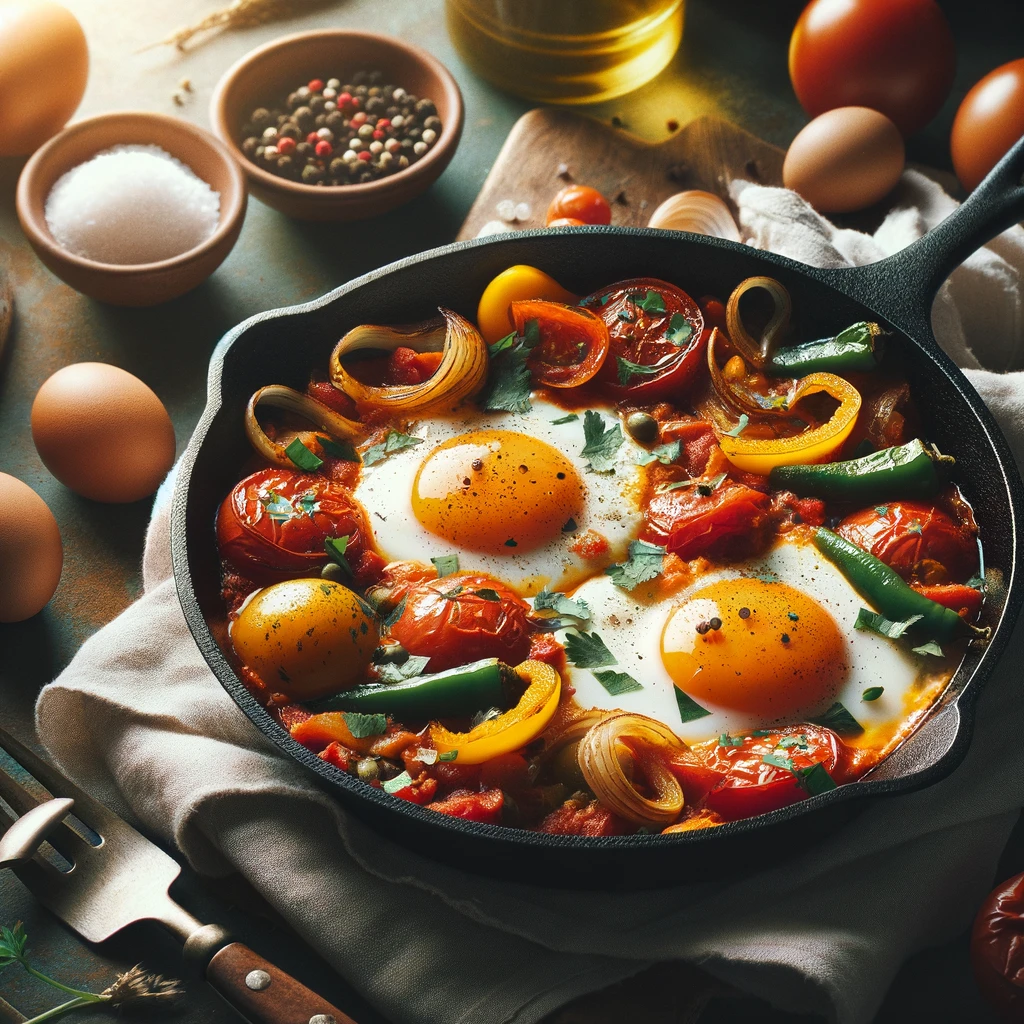
- Moroccan, Tunisian, and Libyan Traditions: North African immigrants contributed iconic skillet dishes like Shakshuka (eggs gently poached in a rich, cumin-scented tomato and sweet bell pepper ragù), Matbucha (a slow-cooked condiment of roasted sweet peppers, tomatoes, garlic, and chili simmered for hours into a savory jam), and Chamin / Dafina (overnight Sabbath stews featuring beef brisket, chickpeas, marrow bones, whole eggs, and spices).
- Persian, Syrian, and Caucasian Traditions: Persian Jews introduced fragrant rice pilafs (Polo) studded with fresh dill, fenugreek, sour cherries, and saffron, while Syrian and Aleppo traditions brought exquisite sweet-and-sour meat preparations accented with tamarind, allspice, and pomegranate molasses.
2. The Sephardic Pillar (Iberia, Balkans, Greece, and Turkey)
Following their expulsion from Spain in 1492, Sephardic Jewish communities established vibrant cultural hubs across the Ottoman Empire, Greece, Turkey, and the Balkan Peninsula. Their culinary legacy in Israel is defined by mastery of delicate pastries, roasted vegetables, and refined coastal Mediterranean preparations:
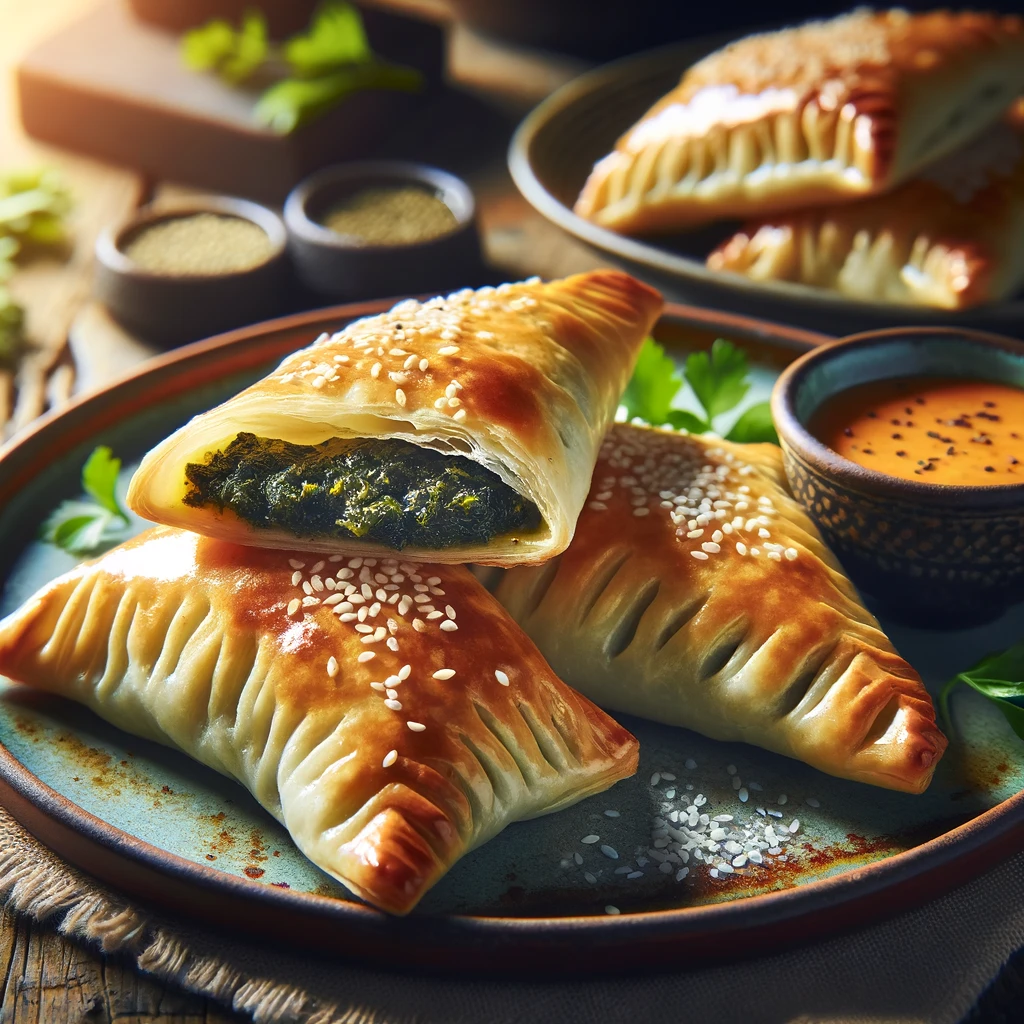
- Bourekas: The iconic golden pastry made from flaky puff pastry or paper-thin phyllo dough, shaped into geometric triangles, horseshoes, or coils, filled with salty kashkaval cheese, brine-cured feta, spiced mashed potato, or sauteed spinach, and topped with toasted sesame or nigella seeds.
- Vegetable Mastery: Sephardic cooks popularized roasted and marinated aubergines, stuffed zucchini, and cold vegetable mezze dressed in olive oil, garlic, and red wine vinegar.
- Seafood and Fish Stews: Fresh Mediterranean sea bass, grouper, and red mullet baked with tomatoes, capers, kalamata olives, oregano, and lemon wedges.
3. The Ashkenazi Pillar (Central and Eastern Europe)
Immigrants from Poland, Russia, Germany, Romania, and Hungary brought the hearty comfort foods, baking heritage, and fermentation techniques of Central and Eastern Europe. While initially viewed as heavy for a hot Mediterranean climate, Ashkenazi staples were cleverly adapted with local ingredients and remain central to Israeli culinary identity:
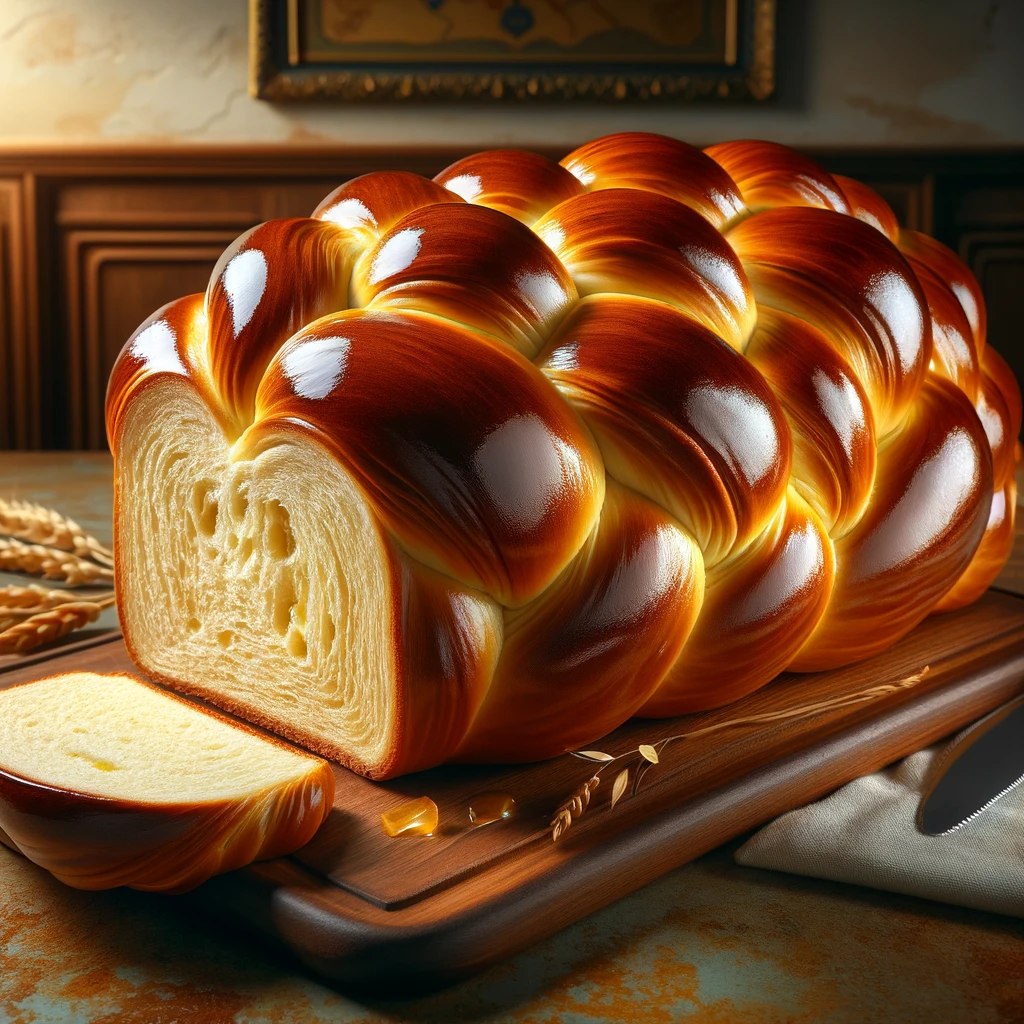
- Challah & Artisan Breading: The golden, braided egg-enriched yeast bread baked fresh for Friday evening Shabbat dinners and holiday celebrations, its soft pillowy crumb perfect for scooping up rich sauces and salads.
- Schnitzel Reimagined: Adapted from the Viennese veal schnitzel, the Israeli version is crafted from thinly pounded chicken breast or turkey fillet, coated in breadcrumbs seasoned with sesame seeds and paprika, and fried until golden and crisp. Served with fresh lemon wedges, hummus, and chopped salad, chicken schnitzel is one of Israel’s most ubiquitous comfort meals.
- Shabbat Stews & Kugels: Cholent (the Ashkenazi counterpart to Mizrahi Chamin), slow-cooked overnight with beef chuck, potatoes, beans, pearl barley, and caramelized onions, alongside sweet or savory noodle kugels (Kugel Yerushalmi, caramelized with black pepper and burnt sugar).
- Bakery Masterpieces: Laminated chocolate and cinnamon Babka (famed globally from Jerusalem bakeries), flaky jam-filled Rugelach, and pickled or cured Atlantic herring served with sour cream and scallions.
4. The Indigenous Arab, Druze, and Bedouin Pillar
The shared Levantine terroir connects Israeli cooking deeply to the longstanding traditions of local Arab, Druze, and Bedouin communities across the Galilee, the Carmel Range, and the southern deserts:
- Taboon & Saj Flatbreads: Ultra-thin, blistered flatbreads baked over inverted dome griddles or stone-lined wood ovens, drizzled with peppery olive oil and wild za’atar.
- Wild Foraging Culture: Seasonal gathering of wild greens including wild hyssop (Za’atar), gundelia (Akkoub), wild mallow (Khubeza), and chicory (Hindbeh), sauteed with caramelized onions and pine nuts.
- Galilee Dairy Artisanship: Tangy, thick Labneh balls preserved in olive oil with dried sumac and mint, alongside traditional brined sheep and goat cheeses (Jibneh Arabieh).
- Wood-Fired Roasting: Whole spiced lamb roasted over charcoal, smoked whole eggplants, and spiced rice pilafs enriched with toasted almonds and allspice.
Comparative Analysis: Diaspora Contributions to Israeli Gastronomy
The following structured matrix outlines the primary regional diaspora communities, their historical geography, core aromatic ingredients, signature culinary dishes, and their integration into modern Israeli food culture:
| Diaspora Tradition | Geographic Origin | Key Herbs & Spices | Iconic Cornerstone Dishes | Modern Israeli Evolution |
|---|---|---|---|---|
| Yemenite (Temani) | Yemen (Sana’a, Aden, Hadhramaut) | Hawaij (cumin, coriander, turmeric), fresh green/red chili, fenugreek (Hilbeh) | Jachnun, Malawach, Kubaneh, Marak Temani (Yemenite beef soup), Schug | Universal Shabbat morning breakfast; Schug is the national table hot sauce on every street corner. |
| Iraqi (Bavli) | Iraq (Baghdad, Basra, Mosul) | Amba (fenugreek-pickled mango), sumac, dried lime (Loomi), baharat | Sabich, Kubbeh (Selek, Hamusta, Shami), Tbit (overnight chicken & spiced rice) | Sabich is recognized as Israel’s premier gourmet sandwich; Kubbeh soup stalls anchor urban markets. |
| Maghrebi (Moroccan/Tunisian/Tripolitan) | Morocco, Tunisia, Libya, Algeria | Harissa, sweet/hot paprika in oil, cumin, preserved lemons, ras el hanout, caraway | Shakshuka, Matbucha, Chraime (spiced fish), Dafina/Chamin, hand-rolled couscous | Shakshuka is a global breakfast phenomenon; Matbucha is the indispensable Friday afternoon appetizer. |
| Sephardic (Ottoman & Balkan) | Turkey, Greece, Bulgaria, Macedonia | Oregano, mint, mastic, nigella seeds, garlic, red wine vinegar | Bourekas, Kashkaval cheese dishes, roasted aubergine salads, Sutlach (rice pudding) | Bourekas shops operate 24/7 across cities; salty sheep cheeses form the core of cafe mezze. |
| Ashkenazi (Eastern/Central European) | Poland, Ukraine, Russia, Hungary, Germany | Dill, bay leaves, black pepper, horseradish (Chrain), mustard seed, caraway | Braided Challah, Chicken Schnitzel, Cholent, Jerusalem Kugel, Babka, Rugelach | Schnitzel in warm pita with hummus and amba is an Israeli street staple; Babka is an international pastry icon. |
| Indigenous Levantine (Arab & Druze) | Galilee, Carmel, Jerusalem, Negev | Wild Za’atar (hyssop), sumac, pine nuts, allspice, olive oil, pomegranate molasses | Taboon bread, Labneh balls, Mansaf, Musakhan, fresh Za’atar flatbreads, Akkoub | Essential pillars of farm-to-table dining, culinary tourism in the north, and artisanal olive oil production. |
The Definitive Master Guide to Iconic Israeli Dishes and Delicacies
Every cornerstone dish in Israeli cuisine tells a story of cultural memory, resourcefulness, and cross-cultural dialogue. Below is an in-depth examination of the most iconic preparations that define Israeli breakfast, street dining, Shabbat celebrations, and festive feasts.
1. Hummus & Mesabaha (חומוס ומסבחה)
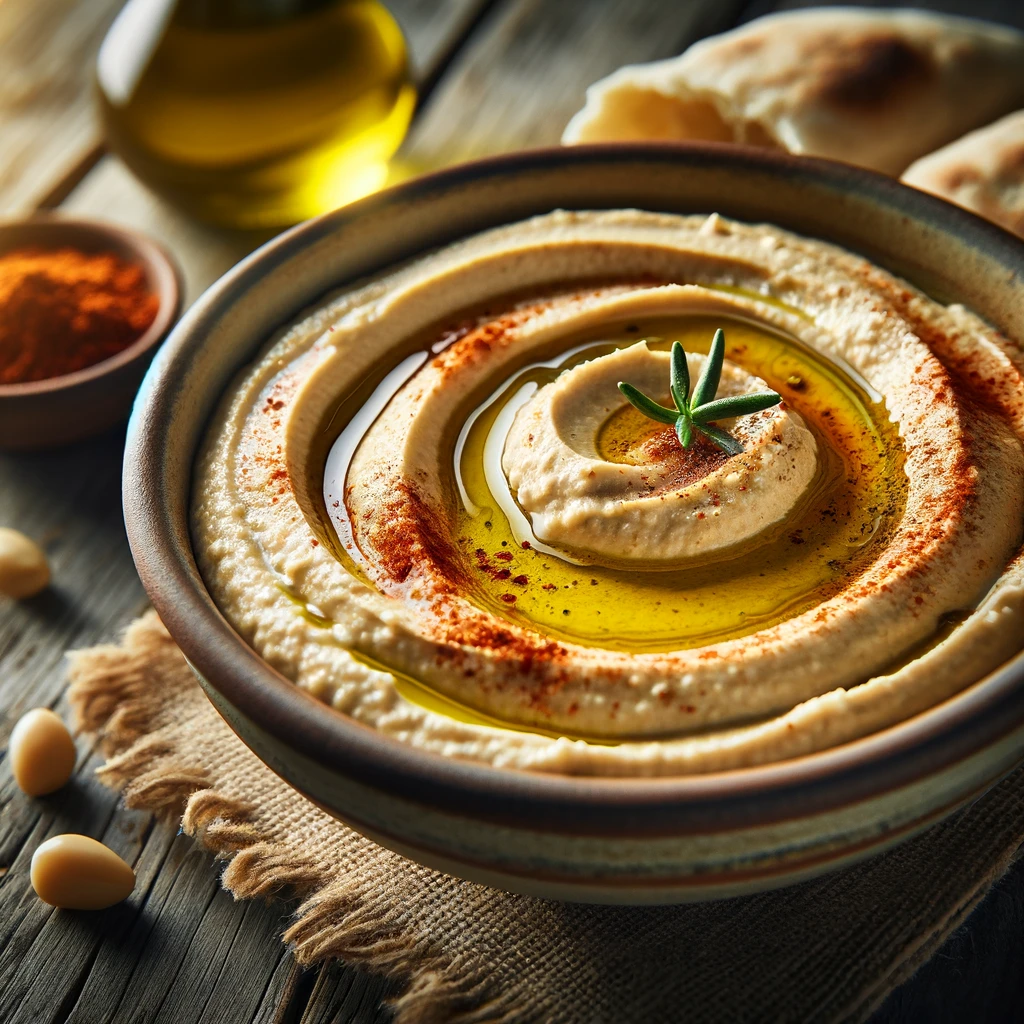
In Israel, hummus is not regarded as a mere dip or appetizer; it is a sacred culinary discipline, a complete meal, and a cultural obsession. Traditional Israeli *hummuserias* (Chumusiot) specialize exclusively in preparing fresh, warm batches daily, serving them from early morning until the copper pots are emptied in the early afternoon.
The foundation rests on small, thin-skinned chickpeas (such as the prized Bulgarian or *Hadas* varieties) soaked for 24 hours and simmered with a pinch of baking soda until tender and buttery. The warm chickpeas are blitzed while hot with generous quantities of pure, unroasted raw sesame tahini (often exceeding 40% of the total emulsion volume), fresh lemon juice, garlic, and sea salt. The result is an ultra-velvety, creamy emulsion that is rich yet light.
Signature regional styles include:
- Hummus Gargirim: Topped with whole, steaming, cumin-scented chickpeas and a pool of extra-virgin olive oil.
- Mesabaha (or Mashawsha): A coarser, chunky variant where warm whole chickpeas are gently folded directly into warm tahini, lemon juice, crushed garlic, and finely diced green chilies.
- Hummus with Ful: Topped with a rich, slow-simmered stew of fava beans, cumin, and hardboiled egg, popular for a protein-dense morning meal.
- Hummus Kawarma: Topped with crispy, pan-fried minced lamb or beef, toasted pine nuts, and sumac.
2. Falafel (פלאפל)
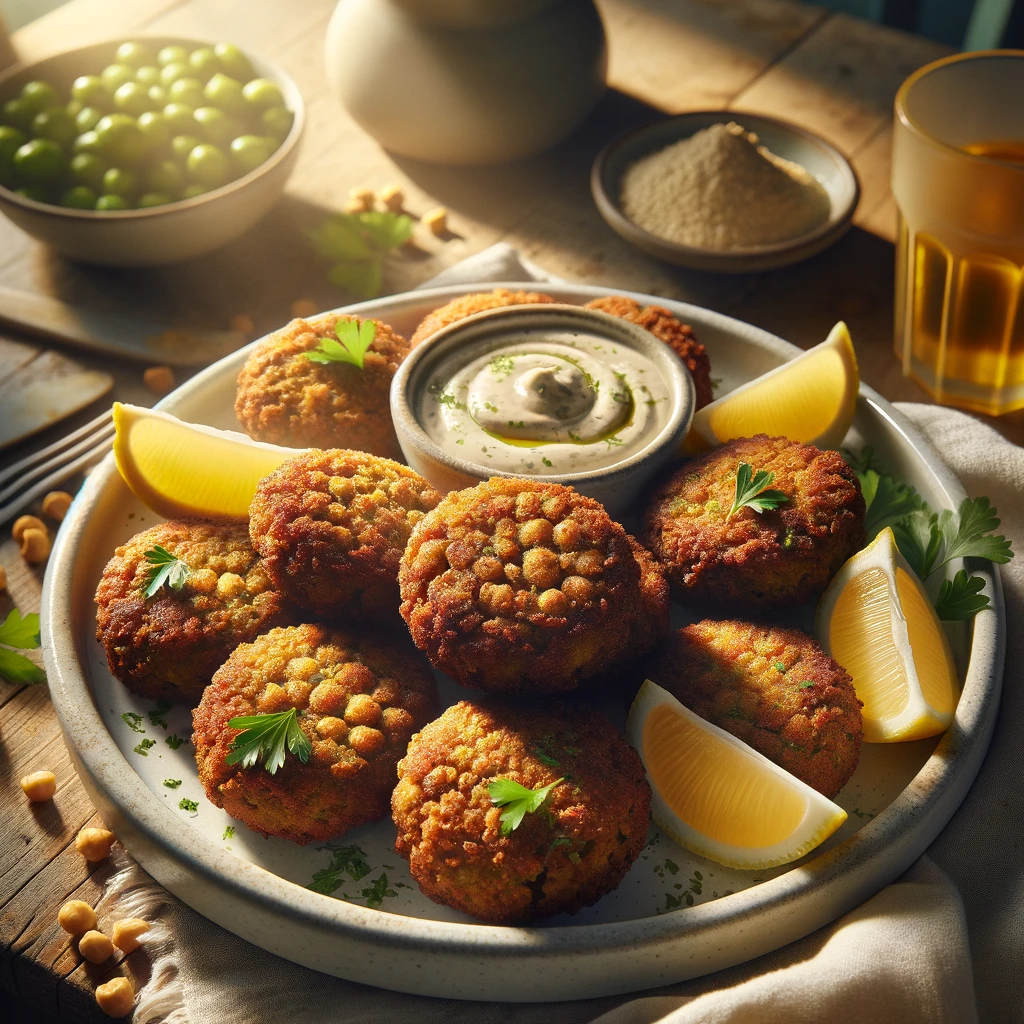
Universally recognized as Israel’s national street food, falafel represents the ultimate study in textural contrast: an intensely crispy, deep-golden exterior yielding to a vibrant, herbaceous, and fluffy interior. Unlike Egyptian versions that utilize fava beans, Israeli falafel is crafted exclusively from raw dried chickpeas soaked overnight (never boiled or canned) and ground finely with immense quantities of fresh parsley, cilantro, garlic, onions, ground cumin, coriander seeds, and a touch of baking powder to ensure lightness.
When dropped into bubbling oil, the fritters fry to crunchy perfection in under three minutes. In the hands of master street vendors, a freshly baked, steaming pita pocket is lined with a thin smear of tahini, packed with hot falafel balls gently crushed to release their steam, and layered with finely diced Israeli salad, pickled cucumbers, pickled pink turnip, purple cabbage slaw, fiery schug, and a drizzle of tangy amba.
3. Sabich (סביח)
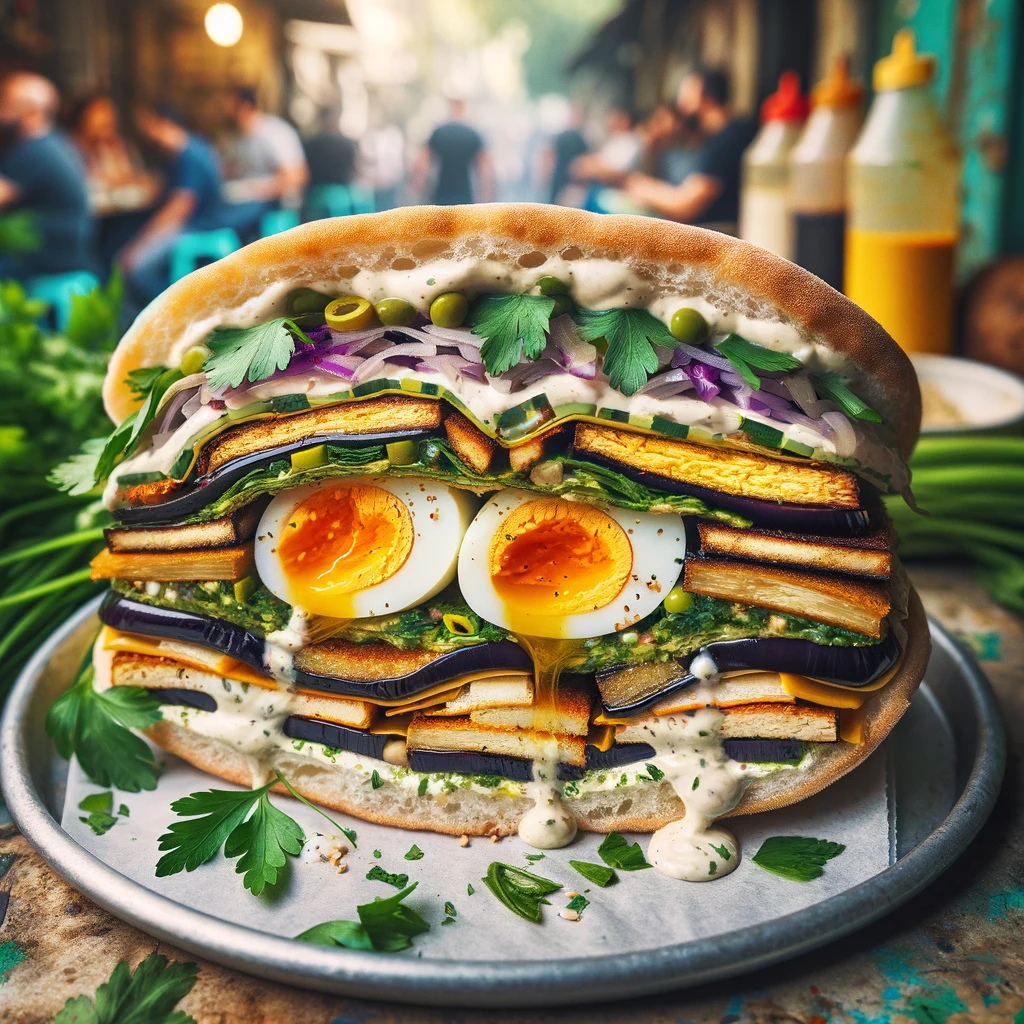
While falafel is world-famous, many Israeli food purists consider *Sabich* to be the pinnacle of sandwich architecture. Invented in the Tel Aviv suburb of Ramat Gan during the late 1950s and 1960s by Iraqi Jewish immigrant Zvi Halabi, Sabich transforms the traditional cold breakfast eaten by Iraqi Jews on Shabbat morning into an astonishingly complex street sandwich.
The construction of a true Sabich is an exercise in meticulous culinary layering:
- The Pita Foundation: A thick, pillowy, high-hydration pita is steamed until soft and pliable, then coated internally with raw tahini.
- Fried Eggplant: Thick slices of aubergine salted to draw out bitterness, dried, and deep-fried until creamy and caramelized on the interior with crisp edges.
- Beitzah Chaminada: Whole eggs that have been simmered overnight in the Shabbat stew (*Chamin*), transforming the whites to a delicate mahogany color and imparting a deep, roasted flavor to the creamy yolks.
- Boiled Potatoes: Thinly sliced steamed potatoes providing earthy comfort and structural balance.
- Condiments & Salads: Diced Israeli tomato-cucumber salad, fresh chopped parsley, salty brine-cured pickles, a splash of fiery Yemenite schug, and an indispensable drizzle of tart, fermented Iraqi amba sauce.
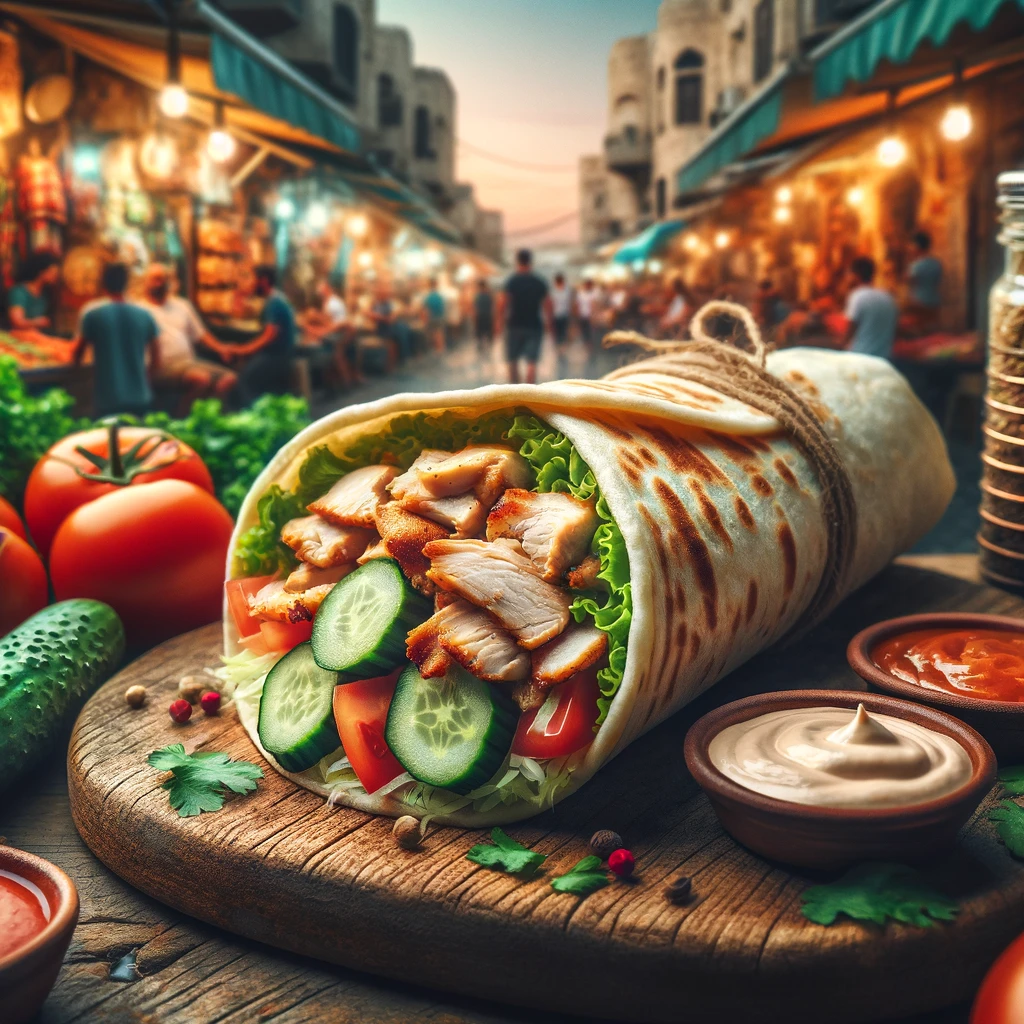
4. Shawarma (שווארמה)
Israeli shawarma has achieved global acclaim due to its distinct meat combinations and aggressive seasoning profiles. While traditional Levantine shawarma often relies heavily on lamb or beef, Israeli shawarma masterfully blends dark turkey meat (prized for its succulence and tenderness) layered vertically on a rotating spit with ribbons of lamb fat (Liyah) positioned at the top. As the spit rotates against radiant gas flames, the rendered lamb fat continuously bastes the turkey layers, creating caramelized, crispy edges with juicy, tender meat.
The meat is seasoned with a complex dry rub featuring cumin, coriander seeds, allspice, paprika, turmeric, cardamom, cinnamon, and sumac. Sliced thinly with razor-sharp shawarma knives, it is served either in a fluffy pita, a rolled *laffa* (large Iraqi flatbread), or on a plate alongside roasted hot peppers, pickled onions with sumac, grilled tomatoes, amba, and rich tahini.
5. Shakshuka (שקשוקה)
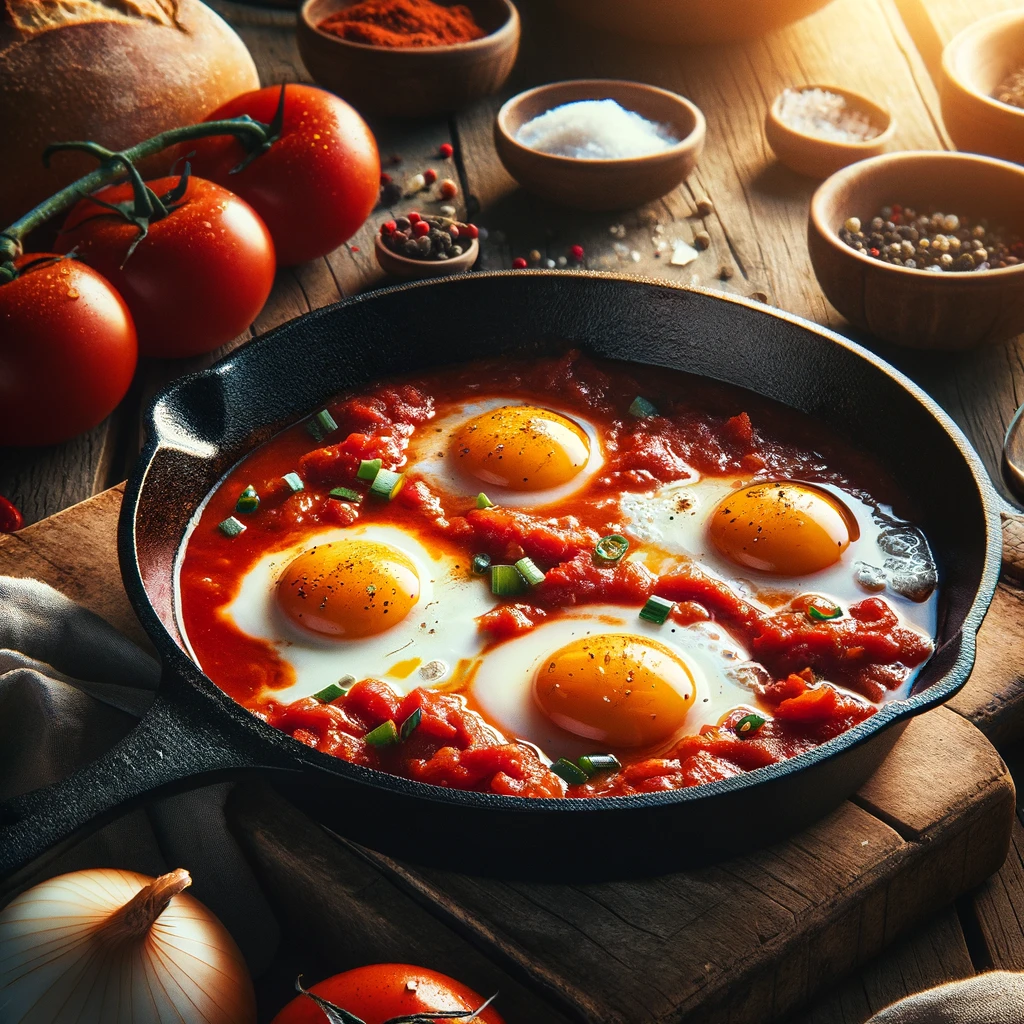
Originating in Tunisia, Libya, and Morocco, Shakshuka was brought to Israel in the 1950s by North African immigrants and quickly evolved into a national breakfast, lunch, and dinner institution. The dish is cooked and served directly in a heavy cast-iron skillet, starting with sweet bell peppers, yellow onions, and garlic sauteed in extra virgin olive oil. Ripe crushed tomatoes are added along with cumin, sweet and smoked paprika, a touch of chili, and caraway seeds, simmered gently until the sauce reduces into a thick, glossy ragù.
Small wells are created in the bubbling sauce, into which whole fresh eggs are cracked. The skillet is covered just long enough for the egg whites to set while the yolks remain completely runny. Garnished with fresh cilantro or parsley and accompanied by thick slices of fresh crusty challah or sourdough bread, Shakshuka is designed for vigorous dipping. Modern Israeli variations include “Green Shakshuka” (crafted from braised Swiss chard, spinach, leeks, cream, and salty feta cheese) and “Balkan Shakshuka” (featuring fire-roasted eggplant and aged kashkaval cheese).
6. Jerusalem Mixed Grill (Me’orav Yerushalmi – מעורב ירושלמי)
Born in the bustling alleyways of Jerusalem’s famed Mahane Yehuda Market during the late 1960s, Jerusalem Mixed Grill is a celebrated carnivore’s delight. The dish consists of fresh chicken hearts, chicken livers, spleen, and bits of chicken thigh meat sauteed on a scorching flat-top griddle with vast quantities of caramelized onions.
The entire mixture is aggressively spiced with a signature Jerusalem blend of ground turmeric, cumin, coriander, allspice, black pepper, and sweet paprika. The high heat sears the exterior of the organ meats quickly while keeping them tender. Stuffed immediately into a warm pita and topped with cooling tahini and pickles, Me’orav Yerushalmi is an emblem of Jerusalem market street culture.
7. Arayes (עראייס)
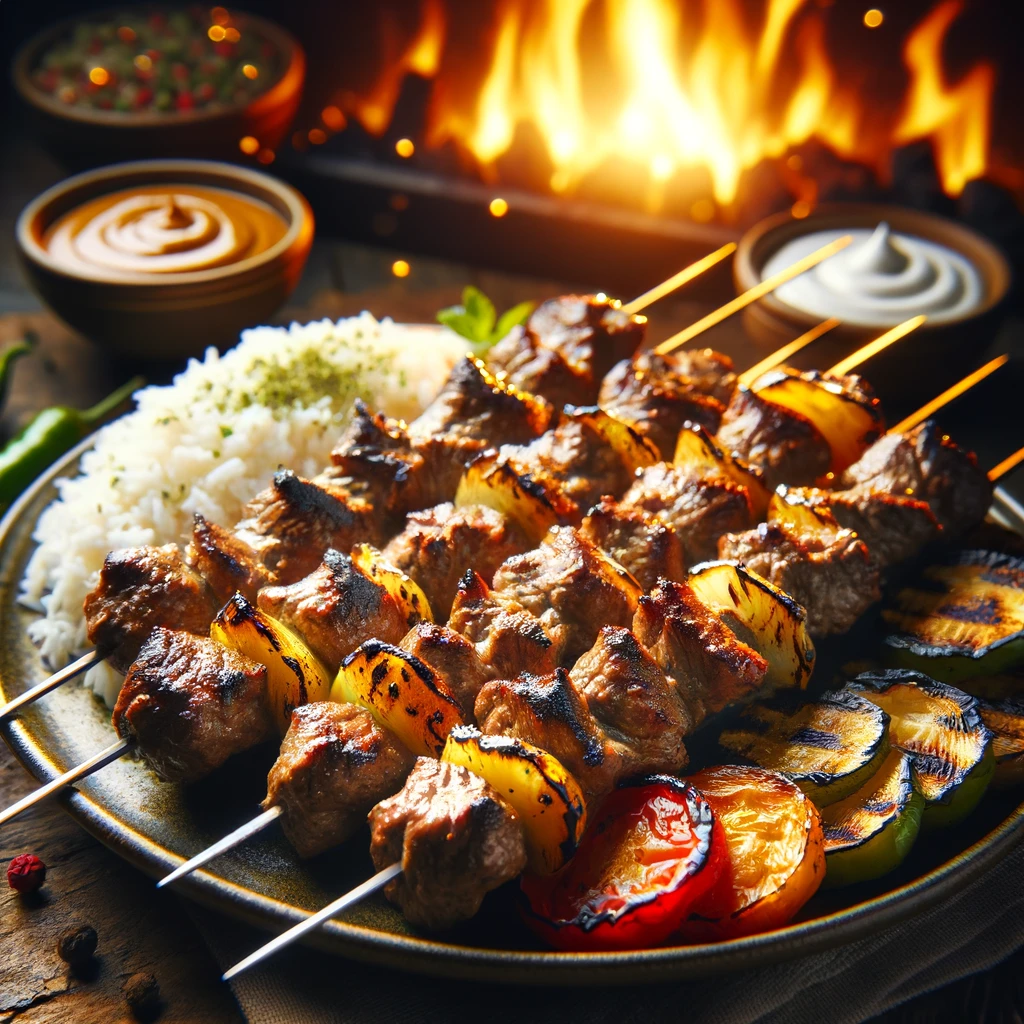
A Levantine masterpiece that has experienced a massive modern revival across Israeli restaurants, *Arayes* features raw pita pockets stuffed with a seasoned mixture of minced lamb and beef, finely chopped parsley, onions, pine nuts, baharat, and garlic. The stuffed pitas are brushed generously with olive oil and placed directly onto a charcoal grill or cast-iron ridged pan. As the bread toasts into a shattering, crispy shell, the lamb fat renders into the interior dough, infusing the bread with smoky meat juices. Served sliced into quarters with a bowl of tahini and spicy tomato dip, Arayes is the ultimate expression of grilled comfort food.
8. Kubbeh (קובה)
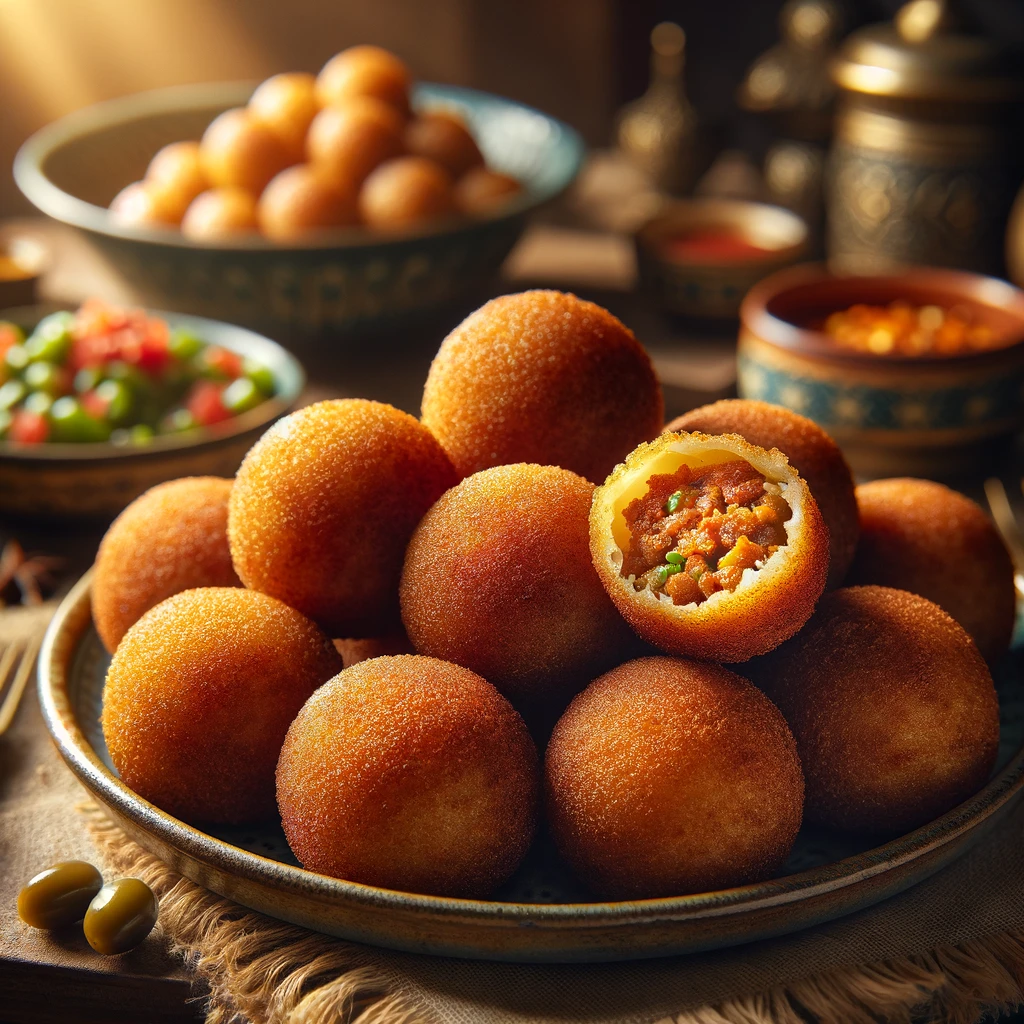
In Jewish-Iraqi and Kurdish culinary culture, rolling *Kubbeh* is an art form passed down through generations. These delicate dumplings feature a thin, tender exterior made from finely milled semolina or soaked bulgur wheat and cracked wheat, encasing a filling of spiced minced beef or lamb seasoned with celery leaves, onions, and allspice.
The dumplings are gently simmered in steaming cauldrons of soup. The two most beloved varieties found across Jerusalem’s Machane Yehuda market are:
- Kubbeh Selek: Simmered in a vibrant, ruby-red broth enriched with fresh beetroot, lemon juice, sugar, and mint, balancing earthy sweetness with sharp acidity.
- Kubbeh Hamusta: Simmered in an intensely sour and savory green broth packed with Swiss chard, zucchini, celery stalks, garlic, and fresh lemon juice.
- Kubbeh Shami: The fried torpedo-shaped bulgur shell version, boasting a crunchy crust and fragrant pine nut and beef filling.
9. Malawach & Jachnun (מלאווח וג’חנון)
The gift of Yemenite Jewish baking, Malawach and Jachnun are celebrated across Israel, particularly on weekend mornings. Both start from a simple dough of flour, water, salt, and a touch of sugar, which is rolled out until nearly transparent, brushed with clarified butter (samneh) or oil, folded repeatedly into intricate laminated layers, and rolled:
- Malawach: Rolled into flat discs and fried on a dry griddle until the pastry puffs into dozens of flaky, golden, buttery layers. Served hot with fresh grated tomato salsa, hardboiled egg, and green schug.
- Jachnun: Rolled into tight dough logs and placed in a sealed baking pot lined with bread crusts. The pot is baked in a low-temperature oven (around 100°C / 212°F) overnight for 12 to 14 hours alongside whole eggs. The gentle Maillard reaction slowly caramelizes the starches, turning the dough a deep, sweet mahogany amber with a dense, melt-in-the-mouth texture.

10. The Essential Mezze: Salads, Spreads, and Dips
An authentic Israeli table is never set without a vibrant constellation of small salads (Salatim) covering every square inch of table space before the main course arrives. Key pillars include:
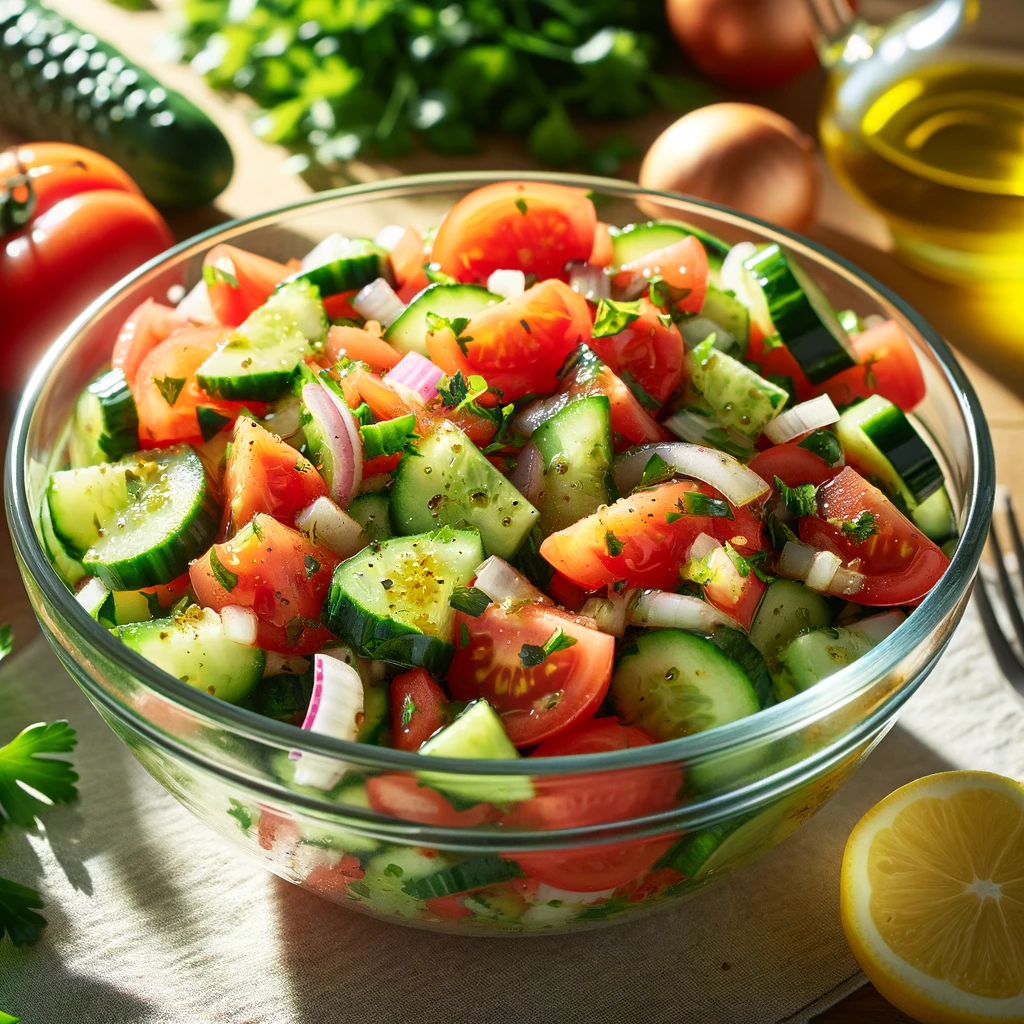
- Israeli Salad (Salat Ketzutz / Salat Aravi): Crisp, unpeeled Persian cucumbers and firm vine tomatoes diced into tiny, uniform cubes (the smaller the dice, the greater the cook’s skill), tossed immediately before serving with fresh flat-leaf parsley, mint, extra-virgin olive oil, freshly squeezed lemon juice, and coarse sea salt.
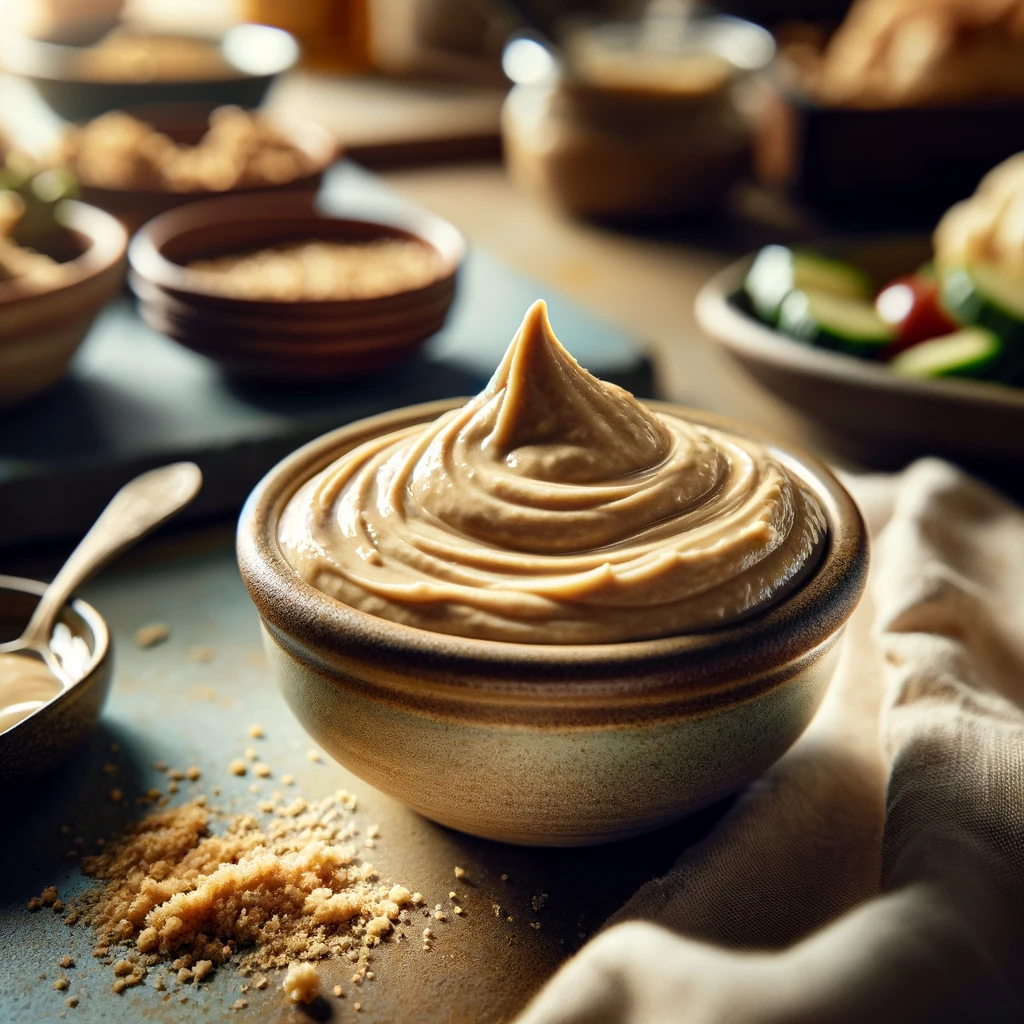
- Tahini (Tehina – טחינה): Made from 100% roasted or raw Ethiopian sesame seeds (prized for high oil content and lack of bitterness), emulsified with ice water, lemon juice, garlic, and salt until turning pale white and silky. Tahini is drizzled over virtually every savory dish in the country.
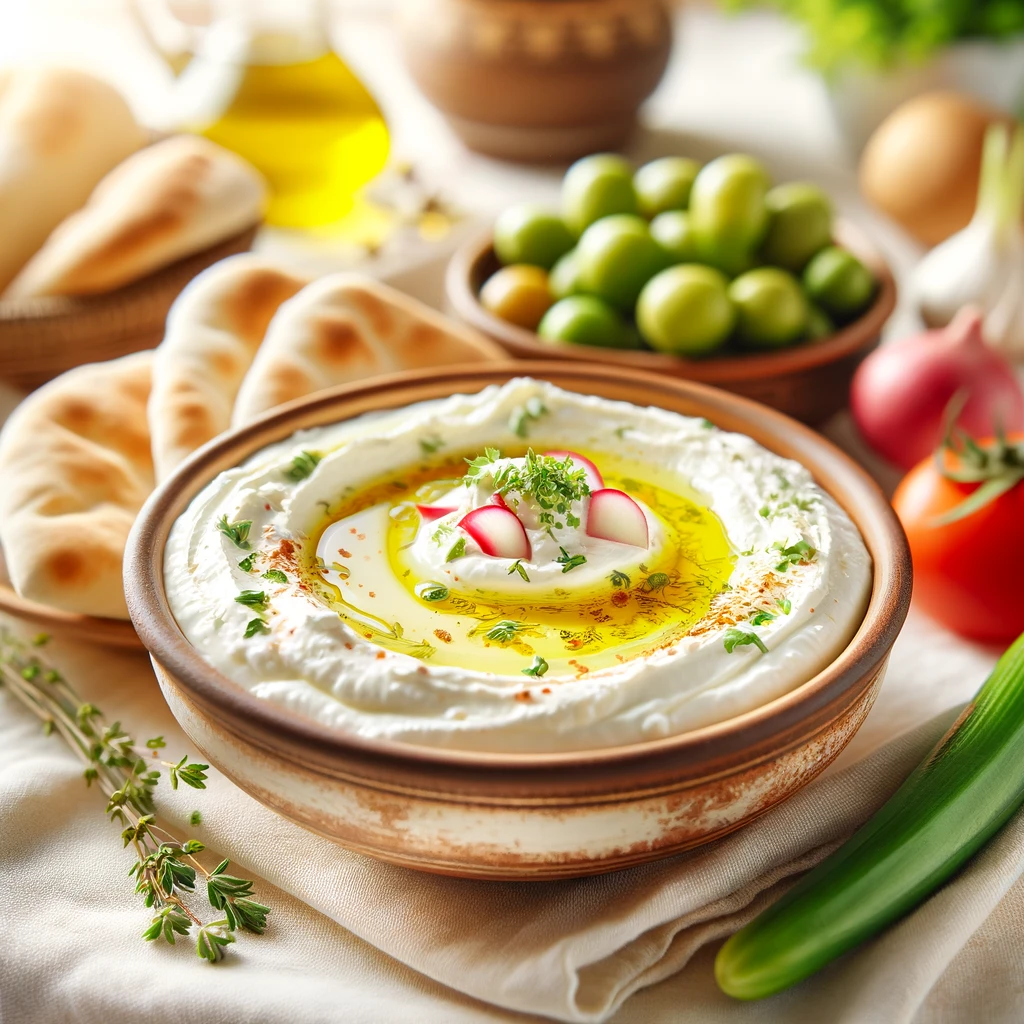
- Labneh with Za’atar (לבנה עם זעתר): Strained whole-milk cow or sheep yogurt with a sharp, tangy acidity, spread across a plate with a hollow well filled with peppery extra virgin olive oil and a generous dusting of wild za’atar herbs.
- Matbucha (מטבוחה): The “cooked salad” of Morocco; vine-ripened tomatoes and fire-roasted bell peppers stewed slowly for over three hours with garlic, sweet paprika, and chili oil until transformed into a deep, jammy spread.
- Fire-Roasted Eggplant (Hazilim): Whole aubergines charred directly over open gas flames or charcoal until the skin is blackened and papery. The smoky interior flesh is scraped out and either combined with raw tahini, garlic, and lemon (Baba Ghanoush) or dressed with pomegranate molasses, raw olive oil, and fresh herbs.
The Israeli Street Food & Mezze Matrix
The table below provides a comprehensive structural comparison of Israel’s most famous street foods and mezze dishes, highlighting their core carbohydrates, protein bases, signature toppings, and traditional dining context:
| Dish Name | Carbohydrate Base | Primary Protein / Filling | Signature Sauces & Accents | Texture Experience | Traditional Context |
|---|---|---|---|---|---|
| Falafel in Pita | Pillowy pocket pita | Ground chickpea & herb fritters | Tahini, schug, amba, pickled cucumber, Israeli salad | Crisp exterior, tender herb center, soft bread | Casual lunch & afternoon street food |
| Sabich | Steamed thick pita | Fried eggplant, slow-cooked egg, boiled potato | Amba (mandatory), tahini, parsley, sumac, pickles | Silky, rich, creamy with sharp pickled acidity | Shabbat morning / all-day street dining |
| Shawarma | Pita, Laffa, or Baguette | Layered spiced turkey & lamb fat | Tahini, amba, roasted hot pepper, sumac red onions | Juicy, savory, caramelized charred edges | Hearty lunch, dinner, or late-night feast |
| Shakshuka | Crusty Challah or Sourdough | Poached fresh farm eggs | Spiced tomato-pepper ragù, cumin, fresh cilantro | Rich, jammy sauce with velvety runny yolks | Iconic weekend brunch & cafe staple |
| Jerusalem Mixed Grill | Pita or Laffa flatbread | Chicken hearts, livers, spleen & thigh meat | Caramelized onions, turmeric, cumin, tahini | Tender seared meats with sweet onion reduction | Market lunch & night-out favorite |
| Arayes | Charcoal-grilled pita pocket | Minced lamb and beef with pine nuts | Garlic tahini dip, grated tomato dip, schug | Shattering crisp crust, juicy seasoned meat | Modern gastropub & BBQ favorite |
| Bourekas | Puff pastry or flaky phyllo | Salty Kashkaval/Feta cheese, potato, or spinach | Hardboiled brown egg, grated tomato, pickles | Buttery, flaky, shatteringly crisp pastry | Morning on-the-go snack & bakery staple |
The Holy Trinity of Israeli Condiments & Sauces
Israeli food is characterized by bold, unapologetic seasoning. Three iconic condiments anchor every dining table, offering varying degrees of heat, acidity, and aromatic complexity:
| Condiment | Cultural Heritage | Core Ingredients | Heat Rating | Flavor Profile | Primary Pairings |
|---|---|---|---|---|---|
| Tahini (Tehina) | Ancient Levantine / Middle Eastern | 100% sesame paste, ice water, lemon, garlic, sea salt | Mild (0/5) | Nutty, creamy, savory, subtle pleasant bitterness | Hummus, falafel, roasted cauliflower, grilled fish |
| Schug (Zhug) | Yemenite Jewish | Hot green/red chilies, garlic, cilantro, cumin, cardamom, cloves | Very Hot (4.5/5) | Fiery, herbaceous, bright, aromatic warmth | Malawach, Jachnun, chicken soups, hummus, meats |
| Amba | Iraqi-Jewish (via Indian trade routes) | Pickled green mangoes, fenugreek, turmeric, mustard seed, chili | Medium-Hot (3/5) | Tangy, funky, savory, sour, complex umami | Sabich (essential), shawarma, falafel, grilled poultry |
| Harissa | Tunisian & Moroccan | Sun-dried red chili peppers, garlic, caraway seeds, coriander, olive oil | Hot (3.5/5) | Smoky, earthy, deep sweet heat with herbal notes | Chraime fish, couscous, Shakshuka, roasted meats |
The Modern Gastronomic Renaissance & Global Acclaim
Over the past three decades, Israeli dining has transformed from a home-style and street-focused food culture into one of the most influential forces in global haute gastronomy. This culinary revolution—often termed “Modern Israeli Cuisine” or the “New Israeli Cuisine”—began in the late 1980s and 1990s through pioneers like Israel Aharoni (who bridged Far Eastern techniques with local ingredients), Erez Komarovsky (who sparked an artisanal sourdough and wild foraging movement in the Upper Galilee), and Haim Cohen.
The Tel Aviv Culinary Identity: Unpretentious Virtuosity
Today, Tel Aviv stands alongside Paris, Tokyo, London, and New York as a premier global food destination. The city’s dining philosophy is characterized by a relaxed, high-energy atmosphere that rejects traditional fine-dining stuffiness in favor of interactive open kitchens, counter seating, vibrant music, and hyper-seasonal cooking over open charcoal flames.
Tel Aviv chefs champion vegetable-forward dining, celebrating local Mediterranean produce—charred baby leeks, whole roasted heads of cauliflower, baby artichokes, and wild herbs—with the same reverence traditionally reserved for prime cuts of meat or caviar.
International Acclaim & Michelin Recognition
Israeli chefs have exported this dynamic gastronomic vision across the world’s culinary capitals, earning historic Michelin stars and international awards:
- Chef Assaf Granit & Machneyuda Group: Hailing from Jerusalem’s Mahane Yehuda market, Chef Assaf Granit achieved a historic milestone by winning a Michelin Star for his restaurant Shabour in Paris. The group has captivated diners across Europe with vibrant establishments including The Palomar and The Barbary in London, and Balagan and Tekés in Paris, showcasing Jerusalem’s multifaceted spice heritage through refined modern techniques.
- Chef Eyal Shani: Renowned for his poetic philosophy of celebrating the raw soul of ingredients, Shani has built a worldwide culinary empire encompassing casual gourmet pita concepts (Miznon in New York, Paris, London, Melbourne, Singapore, and Vienna) alongside fine dining powerhouses (HaSalon and North Abraxas). His signature whole roasted cauliflower has become one of the most widely replicated vegetable dishes in modern culinary history.
- Chef Michael Solomonov: Operating out of Philadelphia, Solomonov earned multiple prestigious James Beard Foundation Awards (including Outstanding Chef and Outstanding Restaurant for Zahav), authoring definitive cookbooks and introducing authentic Israeli foodways to mainstream North American audiences.
- Chef Uri Jeremias (Uri Buri): Located in the historic Crusader-era port of Akko (Acre), Uri Buri has achieved international renown for its mastery of Mediterranean seafood, innovative fruit and spice pairings, and its enduring model of Jewish-Arab intercultural coexistence.
Artisanal Sweets, Bakes, and Confectionery Traditions
Israeli confectionery is a rich crossroads where Ottoman syrup-soaked phyllo, Levantine floral essences, and Central European yeast baking blend harmoniously.
1. Kanafeh & Malabi (כנאפה ומלבי)
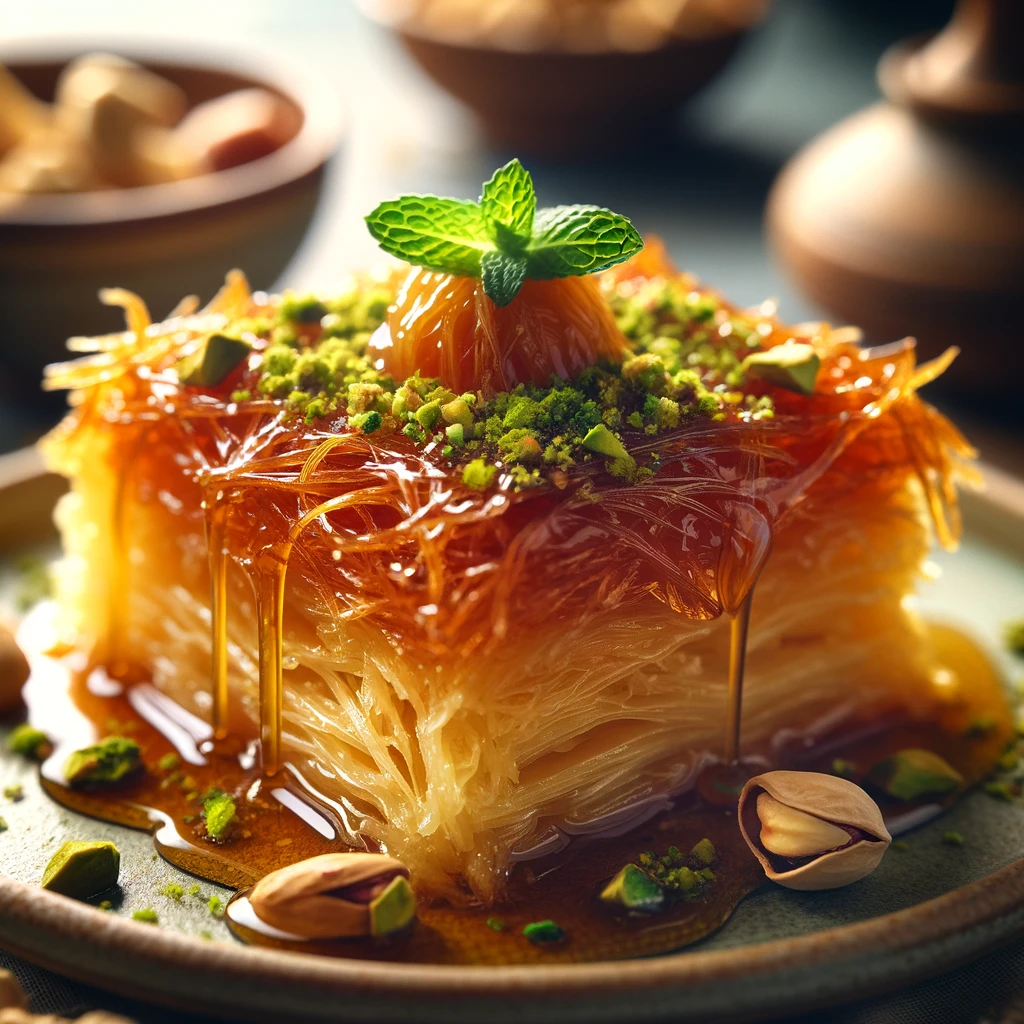
Kanafeh is the reigning queen of warm Levantine desserts, crafted from shredded kataifi phyllo pastry fried in clarified butter over a wide brass disc. It is layered with fresh, mild, stretchy sheep and goat cheese (Nabulsi or *Akkawi* cheese), flipped until crispy golden, and bathed in a hot sugar syrup scented with orange blossom or rosewater, finished with a crown of finely crushed emerald pistachios.
Malabi is a delicate, silky milk pudding thickened with cornstarch or rice flour, served chilled and topped with sweet pomegranate-rosewater syrup, crunchy toasted coconut flakes, and chopped peanuts or pistachios.
2. Halva & Artisan Tahini Confections (חלבה)
Halva is a dense, crystalline sesame confection made by blending pure sesame paste (tahini) with high-temperature boiled sugar syrup at precise ratios. In Jerusalem’s Mahane Yehuda market and Tel Aviv’s Levinsky market, specialized halva artisans display massive wheels of gourmet halva flavored with dark chocolate swirls, whole pistachios, espresso beans, candied orange peel, halva-whiskey infusions, and cardamom.
3. Babka, Rugelach & Sufganiyot
Ashkenazi pastry traditions reached perfection in Israeli bakeries like the legendary Marzipan Bakery in Jerusalem:
- Babka (Krantz Cake): Laminated, buttery yeast dough twisted with rich dark chocolate fudge, cinnamon-walnut paste, or sweet halva ribbons, baked until golden and soaked in warm sugar syrup.
- Rugelach: Miniature crescent-shaped pastries rolled from cream cheese or yeast dough, filled with molten chocolate and baked until crisp on the outside and gooey within.
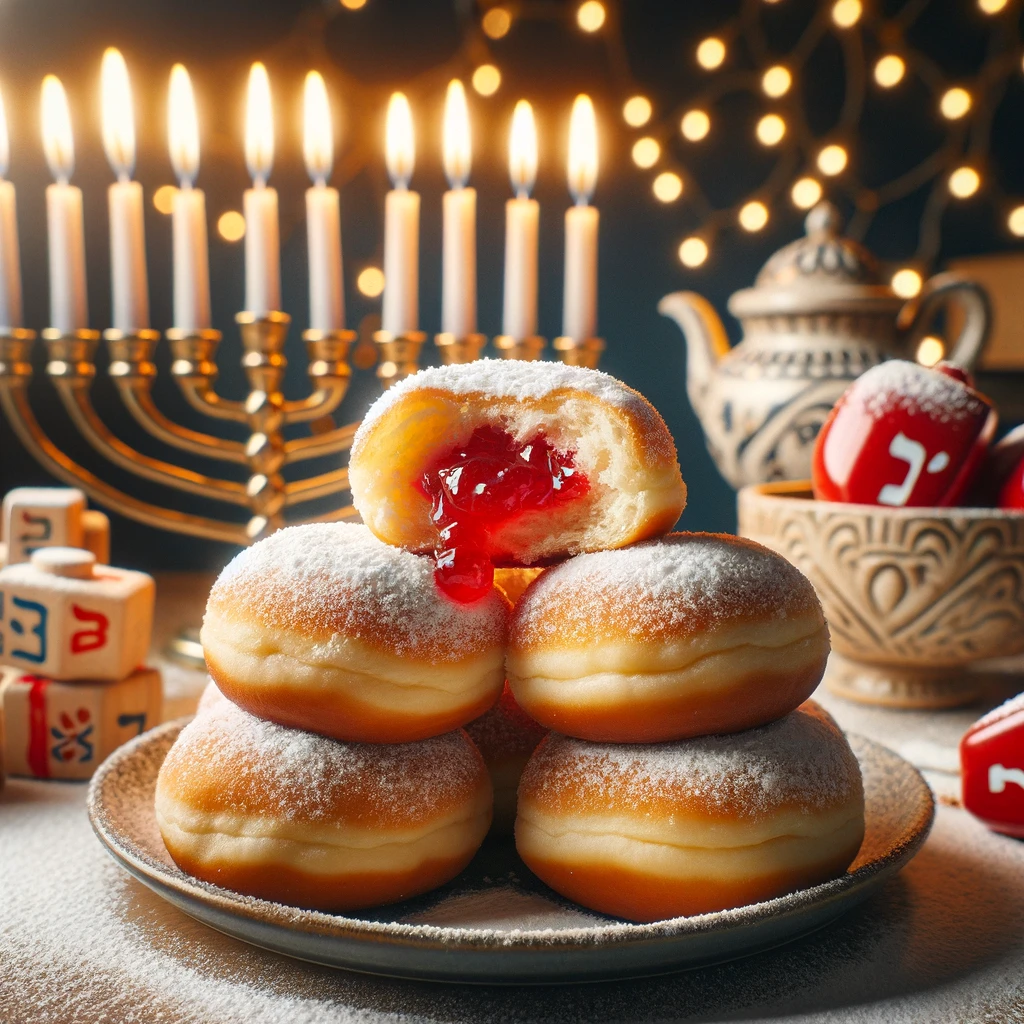
- Sufganiyot: Enriched, pillowy fried doughnuts prepared for the winter festival of Hanukkah, traditionally filled with strawberry jam and dusted with powdered sugar, now celebrated with gourmet fillings including salted caramel, pistachio cream, halva, and Belgian chocolate ganache.
Viticulture, Ancient Varietals, and the Beverage Scene
Israel’s beverage landscape combines millennia of winemaking heritage with a thriving craft distillation and coffee culture.
The Modern Israeli Wine Revolution
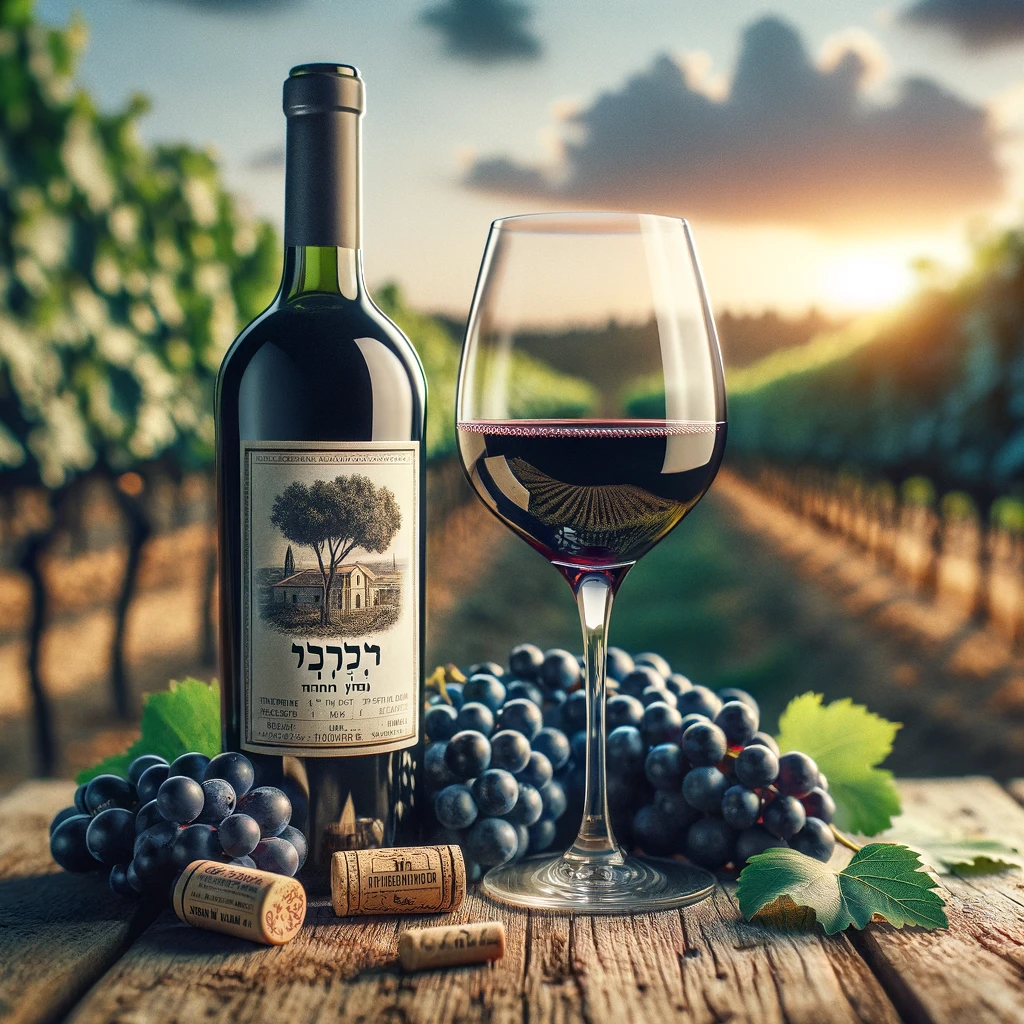
While winemaking in the Land of Israel dates back over 5,000 years, the contemporary boutique wine revolution gained momentum in the 1980s and 1990s with the introduction of temperature-controlled stainless steel fermentation, French oak barrel aging, and micro-climate site selection. Today, over 300 commercial and boutique wineries produce internationally acclaimed vintages across distinctive terroir zones:
- Upper Galilee and Golan Heights: High elevations (up to 1,200 meters above sea level), volcanic basalt soils, cool night breezes, and snowy winters ideal for Cabernet Sauvignon, Syrah, Merlot, Chardonnay, and Sauvignon Blanc.
- Judean Hills and Jerusalem Mountains: Ancient limestone terraces, warm days, and cool mountain night winds producing elegant, mineral-rich Bordeaux blends and crisp whites.
- Negev Highlands (Desert Viticulture): Extreme diurnal temperature shifts and loess soil irrigated with precise drip systems, producing bold, concentrated Syrah, Petite Sirah, and Chenin Blanc.
Reviving Indigenous Biblical Grape Varietals
In a groundbreaking agronomic initiative led by Dr. Elyashiv Drori and researchers at Ariel University, scientists identified and genetically sequenced wild grapevines growing across ancient Judean terraces and riverbeds. This research has successfully revived indigenous, pre-Ottoman grape varieties mentioned in the Talmud and biblical texts, including Marawi, Bittuni, Dabouki, and Jandali. Wineries such as Recanati and Gvaot now produce boutique single-varietal bottlings of these indigenous grapes, providing wine lovers with an authentic taste of ancient Levantine terroir.
Arak Culture and Levantine Coffee
Beyond wine, Israel’s social drinking culture revolves around two essential beverages:
- Arak (ערק): The beloved anise-flavored spirit distilled from fermented grapes and green aniseeds. Clear in the bottle, Arak turns milky white when poured over ice and mixed with water (a reaction known as the louching effect). It is the quintessential accompaniment to grilled meats and mezze across Tel Aviv taverns and beachside restaurants.
- Levantine Coffee (Kafe Shahor / Café Botz): Finely ground dark-roasted coffee beans infused with crushed green cardamom pods, brewed in a traditional long-handled copper pot (Finjan or Cezve) or prepared “mud-style” (Botz) with boiling water poured directly over grounds in a glass.

The FoodTech & AgriTech Frontier: Shaping Sustainable Global Nutrition
Israel’s reputation as the “Startup Nation” extends directly into the kitchen. Facing global challenges of climate change, water scarcity, and population growth, Israeli entrepreneurs, molecular biologists, and food scientists have positioned the country as the world’s leading hub for FoodTech and cellular agriculture.
Key Innovations Leading the Global Food Transformation:
- Cellular Agriculture & Cultivated Meat: Israel ranks second worldwide in alternative protein investment. Trailblazing companies including Aleph Farms (pioneers of slaughter-free cultivated beef steaks grown from non-GMO bovine cells), Believer Meats (constructing the world’s largest cultivated meat manufacturing facility), and SuperMeat are revolutionizing ethical, emission-reduced protein production.
- Precision Fermentation Dairy: Companies like Remilk utilize precision microbial fermentation to produce identical milk proteins (whey and casein) without cows, delivering genuine cheese, yogurt, and milk that are lactose-free, cholesterol-free, and hormone-free with a fraction of the environmental footprint.
- Sugar Reduction Science: Innovators like Incredo Sugar (formerly DouxMatok) have re-engineered the crystal structure of natural cane sugar to maximize its dissolution on taste receptors, allowing food manufacturers to reduce sugar content by up to 50% in baked goods and confectionery with zero synthetic aftertaste.
- Plant-Based Bio-Structuring: Redefine Meat has pioneered industrial 3D additive manufacturing technology to replicate the muscle fiber matrix, marbling, and mouthfeel of whole-muscle beef cuts using plant-based pea, soy, and wheat proteins, widely adopted across top European steakhouses.
Nutritional Superiority and the Mediterranean Diet Paradigm
Public health researchers and epidemiologists consistently rank the Mediterranean diet among the healthiest in the world. Israel’s daily dietary pattern embodies this paradigm, delivering exceptional cardiovascular and metabolic health benefits supported by peer-reviewed clinical research.
According to longevity and health data published by the World Health Organization (WHO) and the Organisation for Economic Co-operation and Development (OECD), Israel consistently ranks among the top 10 countries globally for life expectancy (averaging over 83 years). This longevity is strongly linked to the standard Israeli diet, which features high daily consumption of fresh vegetables, extra-virgin olive oil, plant-based proteins (chickpeas, lentils, tahini), and fresh citrus fruits.
Nutritional Breakdown Matrix
| Core Dietary Component | Key Macro / Micronutrients | Proven Clinical Health Benefits | Functional Role |
|---|---|---|---|
| Raw Sesame Tahini | Monounsaturated & polyunsaturated fats, calcium, iron, sesamin, sesamol | Lowers LDL cholesterol, reduces systemic inflammation, supports bone density | Primary healthy fat source replacing heavy dairy & butter |
| Chickpeas (Hummus/Falafel) | Complex carbohydrates, plant protein, dietary fiber, folate, magnesium | Stabilizes blood glucose levels, promotes healthy gut microbiome, enhances satiety | Plant-based protein foundation of daily meals |
| Extra-Virgin Olive Oil | Oleic acid (omega-9), oleocanthal, vitamin E, polyphenols | Cardiovascular protection, blood pressure regulation, powerful anti-inflammatory effects | Universal dressing and cooking medium |
| Fresh Mediterranean Produce | Lycopene (tomatoes), vitamin C, potassium, flavonoids, dietary water | Cellular oxidative stress reduction, vascular elasticity, optimal hydration | Consumed fresh at breakfast, lunch, and dinner |
Kosher Dynamics and Culinary Diplomacy
The laws of Kashrut (Jewish dietary laws)—specifically the absolute prohibition against mixing meat and dairy, the requirement for specific humane slaughtering methods, and the restriction of seafood exclusively to species possessing both fins and scales—have historically served not as a limitation, but as a tremendous catalyst for culinary creativity in Israel.
Because dairy cannot accompany meat meals, Israeli chefs and home cooks perfected exquisite plant-based sauces, utilizing silky tahini, rich garlic emulsified with olive oil (Toum), almond creams, and roasted vegetable purees where European kitchens traditionally relied on butter or heavy cream. Similarly, the demand for festive pareve (neither meat nor dairy) desserts spurred mastery of nut-flour tortes, fruit reductions, and yeast doughs.
Furthermore, food serves as one of the most powerful bridges for cultural connection in the region. In the mixed cities of Haifa, Jaffa, Akko, and Jerusalem, Jewish and Arab chefs collaborate closely, sharing recipes, ingredients, and kitchens. Initiatives such as the Galilee Culinary Institute, joint olive harvesting cooperatives, and regional food festivals highlight how the shared love of honest food, warm hospitality, and agricultural stewardship fosters mutual respect and enduring community bonds.
Frequently Asked Questions (FAQ) About Israeli Cuisine
What is the national dish of Israel?
While there is no single official state dish, Falafel served in fresh pita with hummus, Israeli salad, tahini, and schug is universally celebrated as Israel’s national street food. Closely following falafel in cultural importance is freshly whipped Hummus and the iconic Iraqi-Israeli Sabich sandwich.
What is the difference between Israeli couscous and traditional couscous?
Traditional North African couscous consists of tiny, steamed granules of semolina flour. Israeli couscous (known domestically as Ptitim) consists of larger, extruded wheat semolina spheres that are baked in high-temperature ovens. This toasting process gives Ptitim a pleasant nutty flavor and a firm, chewy al dente texture similar to small pasta pearls.
Is Israeli cuisine healthy?
Yes, Israeli cuisine is considered among the healthiest in the world because it is built upon the classic Mediterranean diet. It emphasizes abundant fresh vegetables, cold-pressed extra-virgin olive oil, protein-rich legumes (chickpeas and fava beans), nutrient-dense raw sesame tahini, fresh herbs, and lean poultry and fish, resulting in high life expectancy and low cardiovascular disease rates.
Why is Tahini (Tehina) so prominent in Israeli cooking?
Tahini is the culinary cornerstone of Israeli food. Made from 100% pure ground sesame seeds, it provides a rich, nutty flavor, creamy emulsion, and healthy fats. It is used as the base for hummus, drizzled over roasted vegetables and grilled meats, incorporated into salad dressings, and sweetened into artisan halva and pastries.
What makes Tel Aviv a global culinary capital?
Tel Aviv is celebrated internationally for its innovative, vegetable-forward dining, world-class chefs (such as Michelin-starred Assaf Granit and Eyal Shani), energetic open-kitchen restaurants, vibrant market culture, 24/7 street food scene, and seamless blending of traditional diaspora recipes with modern culinary technique.
Conclusion: A Culinary Journey of Heritage and Innovation
Israeli cuisine is far more than an assortment of delicious recipes; it is a profound testament to the resilience, creativity, and cultural synthesis of a diverse people reunited in their historic homeland. From the ancient olive groves and vineyards of the Judean Hills to the buzzing street food stands of Tel Aviv and the high-tech FoodTech laboratories developing the sustainable proteins of tomorrow, Israel’s culinary journey is an ever-evolving celebration of life, community, and the timeless joy of shared meals.