Israel’s arts and culture scene is one of the most vibrant, multifaceted, and internationally influential creative landscapes in the world. Far exceeding what might be expected from a nation of fewer than ten million people, Israel has established itself as an undeniable powerhouse across contemporary dance, symphonic classical music, groundbreaking dramatic theatre, visual arts, architectural heritage, world-champion musical exports, award-winning cinema, global television formats, graphic novels, and modern literature.
This creative explosion is fueled by a singular cultural phenomenon: the dynamic intersection of Jewish diasporic traditions spanning five continents—from Eastern Europe and North Africa to Yemen, Iraq, and Latin America—converging with ancient Levantine roots, Mediterranean vibrancy, and high-tech urban modernity. This authoritative guide examines the institutions, artistic movements, masterworks, and cultural leaders defining Israeli arts on the global stage.
1. The Tapestry of Israeli Culture: A Pluralistic Crossroads
To understand Israeli artistic expression, one must first recognize its unparalleled cultural hybridity. Israeli society is a living mosaic of distinct traditions that have cross-pollinated over the past century:
- Ashkenazi Influences: European classical symphonic traditions, Yiddish folklore, Brechtian dramatic staging, and Central European Bauhaus architectural design.
- Sephardic & Mizrahi Traditions: Microtonal Middle Eastern maqamat, Judeo-Arabic poetry (Piyyutim), Andalusian orchestral music, Mediterranean vocal aesthetics, and vibrant rhythmic percussion.
- Ethiopian Heritage (Beta Israel): Traditional Eskesta shoulder-dancing, oral storytelling, intricate embroidery, and contemporary reggae-fusion musical stylings.
- Sabra Modernism: Direct, unfiltered, deeply emotive, and self-reflective artistic expression characterized by intense physical commitment and profound thematic depth.
| Artistic Discipline | Flagship Institutions | Pioneering Figures | Global Impact & Signature Style |
|---|---|---|---|
| Contemporary Dance | Batsheva Dance Co., Suzanne Dellal Centre, Vertigo, KCDC | Ohad Naharin, Noa Wertheim, Rami Be’er, Sharon Eyal | Invention of Gaga movement language; raw physicality and explosive emotionality. |
| Classical & Symphonic Music | Israel Philharmonic (IPO), Jerusalem Symphony, Israeli Opera | Bronisław Huberman, Zubin Mehta, Lahav Shani, Itzhak Perlman | Lush string tone, virtuoso soloist tradition, fusion of Western and Andalusian forms. |
| Dramatic Theatre | Habima National Theatre, Cameri Theatre, Gesher Theatre, Khan Theatre | Hanoch Levin, Nissim Aloni, Rina Yerushalmi, Yevgeny Aryeh | Satirical existentialism, poetic realism, multilingual Russian-Hebrew theatrical fusion. |
| Architecture & Design | UNESCO White City Tel Aviv, Design Museum Holon, Bezalel | Arieh Sharon, Dov Karmi, Ron Arad, Moshe Safdie | World capital of Bauhaus modernism, iconic sculptural museums, Jerusalem stone masonry. |
| Visual Arts & Museums | Israel Museum Jerusalem, Tel Aviv Museum of Art, Ein Hod | Boris Schatz, Marcel Janco, Yigal Tumarkin, Michal Rovner, Sigalit Landau | Dead Sea crystalline salt sculptures, video art installations, monumental landscape sculpture. |
| Cinema & Television | Jerusalem Film Festival, Docaviv, Sam Spiegel Film School | Ari Folman, Joseph Cedar, Ron Leshem, Lior Raz, Avi Issacharoff | High-stakes dramatic realism, psychological character depth, international TV format exports. |
| Popular & World Music | Eurovision (4 Wins), Red Sea Jazz Festival, Zappa Venues | Naomi Shemer, Arik Einstein, Ofra Haza, Dana International, Netta, Noga Erez | Pioneering world music fusion, Mediterranean pop, four Eurovision Song Contest victories. |
| Literature & Graphic Novels | Hebrew Writers Association, Jerusalem Book Forum | S.Y. Agnon, Amos Oz, David Grossman, Etgar Keret, Rutu Modan, Asaf Hanuka | Nobel prize-winning narrative depth, Eisner Award-winning graphic novels, surrealist fiction. |
2. The Worldwide Revolution of Contemporary Israeli Dance
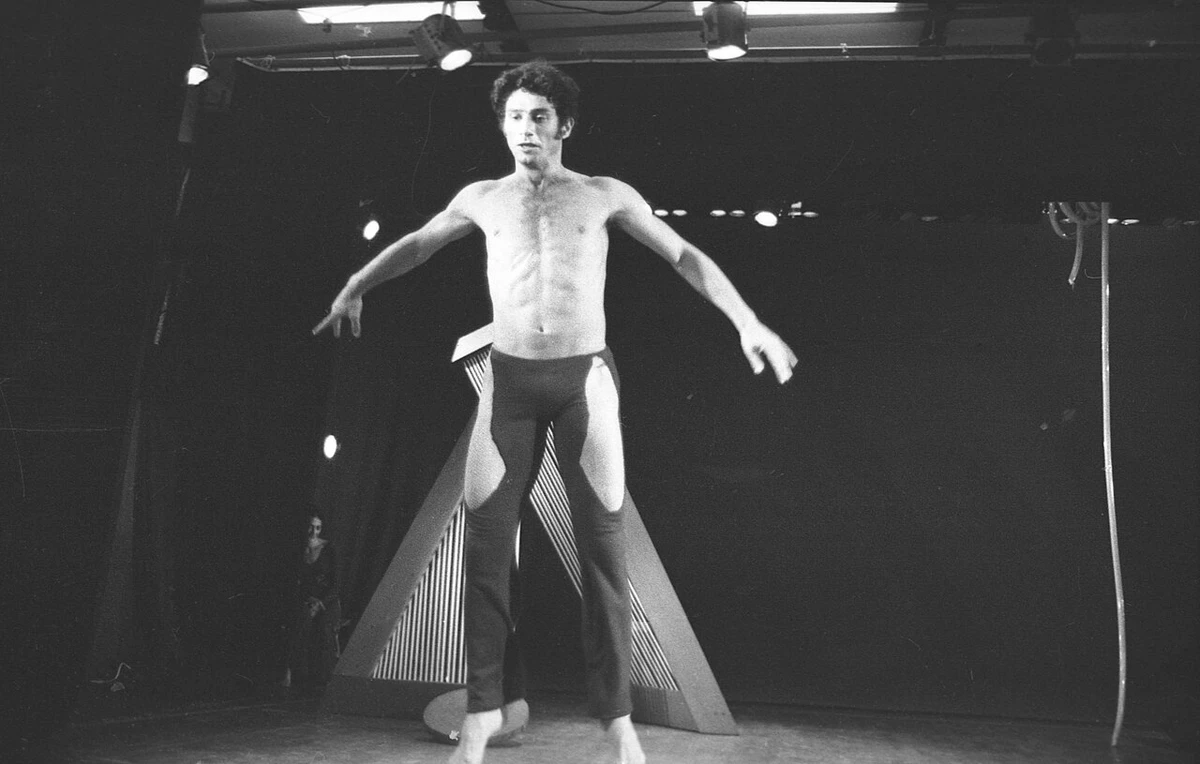
Nowhere has Israel’s cultural innovation been more revolutionary than in the realm of contemporary dance. Israeli dance is recognized globally as an explosive, highly athletic, and emotionally visceral movement that has redefined the boundaries of modern choreography.
The Batsheva Dance Company & Ohad Naharin
Founded in 1964 by the French-British philanthropist Baroness Batsheva de Rothschild with the legendary Martha Graham serving as artistic adviser, the Batsheva Dance Company has evolved into one of the world’s preeminent contemporary dance ensembles. In 1990, the appointment of Ohad Naharin as artistic director inaugurated a golden era of global acclaim.
Naharin created Gaga, an innovative movement research language that abandoned conventional mirrors and formal dance terminology in favor of heightened physical awareness, instinctual animalistic sensations, flexibility, and explosive power. Gaga has since become an international sensation, taught in elite conservatories from Juilliard to the Paris Opera Ballet, as well as practiced by thousands of non-dancers worldwide as Gaga/people.
Iconic masterworks choreographed by Naharin for Batsheva include:
- Echad Mi Yodea (from Kyr & Anaphaza): Dancers seated in a semi-circle of folding chairs progressively shed their black orthodox suits in a crescendo of raw, repetitive physical ecstasy set to a rock version of the Passover hymn.
- Decadance: An ever-evolving retrospective collage of Naharin’s most striking choreographies, celebrated on major stages worldwide from Lincoln Center to Sadler’s Wells.
- Sadeh21 & Last Work: Meditative yet fiercely kinetic explorations of human intimacy, speed, balance, and fragility.
The Suzanne Dellal Centre & The Dance Ecosystem
Located in the historic, picturesque neighborhood of Neve Tzedek in Tel Aviv, the Suzanne Dellal Centre for Dance and Theatre serves as the physical epicenter of Israeli dance. The complex hosts over 600 performances annually, presenting acclaimed international showcases such as the International Exposure (Chasifah Bein-leumit) festival, which connects Israeli choreographers with global theater curators.
Beyond Batsheva, Israel boasts a rich landscape of internationally acclaimed dance companies:
- Vertigo Dance Company: Founded by Noa Wertheim and Adi Sha’al, blending physically intense contemporary dance with environmental consciousness at the Vertigo Eco-Art Village in the Judean Hills.
- Kibbutz Contemporary Dance Company (KCDC): Founded by Yehudit Arnon (a Holocaust survivor) and led by Rami Be’er, based in the International Dance Village at Kibbutz Ga’aton in the Western Galilee.
- L-E-V Dance Company: Founded by former Batsheva dancer Sharon Eyal and multimedia artist Gai Behar, crafting hypnotic, techno-infused, hyper-stylized physical masterworks.
3. Symphonic Excellence: The Israel Philharmonic & Classical Music
Classical music is woven deeply into Israel’s national heritage. In December 1936, Polish-Jewish virtuoso violinist Bronisław Huberman assembled top Jewish musicians escaping Nazi persecution across Europe to establish the Palestine Symphony Orchestra (renamed the Israel Philharmonic Orchestra in 1948). The inaugural concert in Tel Aviv was conducted by the legendary Italian maestro Arturo Toscanini, who refused to perform in fascist Italy or Nazi Germany.

Leadership: Zubin Mehta to Lahav Shani
For over fifty years, Indian-born maestro Zubin Mehta served as the IPO’s Music Director (and later Music Director for Life), leading the orchestra through thousands of concerts across six continents and cementing its warm, passionate, singing string sound. In 2020, brilliant Israeli conductor and pianist Lahav Shani succeeded Mehta as Music Director, ushering in a dynamic new generation of symphonic vitality and innovative programming.
A Virtuoso Soloist Tradition
Israel has served as the cradle for some of the greatest instrumental virtuosos in 20th and 21st-century music history, nurtured by the America-Israel Cultural Foundation (AICF) and elite conservatories:
- Violin Titans: Itzhak Perlman, Pinchas Zukerman, Shlomo Mintz, Ivry Gitlis, and Guy Braunstein.
- Cello & Piano Masters: Mischa Maisky, Inon Barnatan, Boris Giltburg, and Daniel Barenboim.
- The Arthur Rubinstein International Piano Master Competition: Held triennially in Tel Aviv since 1974, this prestigious competition serves as an international springboard for virtuoso concert pianists, counting Emanuel Ax, Daniil Trifonov, and Kirill Gerstein among its laureates.
- Cross-Cultural Collaborations: The West-Eastern Divan Orchestra, co-founded in 1999 by Daniel Barenboim and Palestinian scholar Edward Said, bringing together Israeli, Palestinian, and Arab musicians for international symphonic tours.
The Israeli Opera and Andalusian Symphonies
Based at the Tel Aviv Performing Arts Center, the Israeli Opera produces grand opera seasons featuring world-class international soloists and Israeli productions. Simultaneously, the Israeli Andalusian Orchestra of Ashdod champions the classical Sephardic and North African musical tradition, blending Western symphonic strings with traditional Middle Eastern instruments like the oud, qanun, and darbuka.
4. The Evolution of Israeli Music: Folk, Mizrahi & Global Pop
Israeli popular music is a pulsating sonic laboratory blending Hebrew poetry, Mediterranean rhythms, Western rock, and electronic beats.
From Hebrew Folk (Zemer Ivri) to Rock Titans
In the state’s early decades, music was an instrument of nation-building. Iconic songwriter Naomi Shemer penned timeless anthems, most famously Yerushalayim Shel Zahav (Jerusalem of Gold), written on the eve of the 1967 Six-Day War. The 1970s and 80s witnessed the rise of Israeli rock led by Arik Einstein (widely regarded as the father of Israeli rock), Shalom Hanoch, Matti Caspi, and the legendary satirical rock supergroup Kaveret (Poogy).
The Mizrahi Music Revolution
Originally marginalized in mainstream radio broadcasts during the 1960s and 70s, Middle Eastern and North African Jewish music—known as Mizrahi music—spread through cassette tapes sold in the Tel Aviv central bus station (Kasetot). Led by legendary vocalists like Zohar Argov (the “King of Mizrahi Music”), Ofra Haza, Sarit Hadad, and Eyal Golan, Mizrahi music gradually conquered Israeli mainstream culture, today representing the dominant commercial genre across the nation.
Ofra Haza achieved historic worldwide crossover success in 1988 with her Yemenite-electronic fusion single Im Nin’alu, which topped European pop charts, became an international dance anthem, and pioneered the entire global “World Music” movement.
Eurovision Triumphs & Contemporary Global Exports
Israel has won the prestigious Eurovision Song Contest four times, reflecting its dynamic pop songwriting mastery:
- 1978: Izhar Cohen & the Alphabeta with A-Ba-Ni-Bi.
- 1979: Milk and Honey with the eternal peace anthem Hallelujah.
- 1998: Transgender pop icon Dana International with Diva, making global civil rights and LGBTQ+ history.
- 2018: Netta Barzilai with Toy, an empowering vocal-looper feminist pop anthem that achieved hundreds of millions of international streams.
Today, contemporary Israeli indie and pop artists command major global audiences, including electro-pop innovator Noga Erez, soulful troubadour Asaf Avidan (whose hit One Day / Reckoning Song topped charts across Europe), dream-pop duo Lola Marsh, and multi-platinum singer-producer Dennis Lloyd (Nevermind).
5. Architectural Heritage: The White City Bauhaus & Modern Urbanism
Israel’s built environment is an open-air museum of architectural movements, ranging from ancient limestone masonry to avant-garde modernism.
Tel Aviv’s UNESCO World Heritage “White City”
In 2003, UNESCO designated Tel Aviv’s White City as a World Heritage Site. During the 1930s and 1940s, German-Jewish architects fleeing Nazi Germany brought the revolutionary principles of the Bauhaus school and the International Style to Tel Aviv. They adapted European functionalism to the hot Mediterranean climate by incorporating curved balconies, ribbon windows, pilotis (stilts) for natural ventilation, and white plaster facades to reflect the intense desert sunlight.
With more than 4,000 preserved Bauhaus buildings—clustered along Rothschild Boulevard, Bialik Street, and Dizengoff Square—Tel Aviv possesses the largest and most pristine collection of modern movement architecture on Earth.
The Jerusalem Stone Mandate
In stark contrast to Tel Aviv’s white concrete modernism, the city of Jerusalem is defined by its warm, golden limestone facades. Under a mandatory municipal building ordinance enacted in 1918 by British Governor Sir Ronald Storrs and upheld by the State of Israel, every building constructed in Jerusalem must be faced with native Jerusalem stone (Meleke limestone), ensuring architectural continuity across millennia.
Contemporary Architectural Marvels
- Design Museum Holon: Designed by world-famed architect Ron Arad, wrapped in sweeping, sculptural ribbons of red Corten weathering steel.
- Yad Vashem Holocaust Memorial Museum: Designed by Moshe Safdie, featuring a dramatic concrete prism slicing through Mount Herzl that bursts open onto a panoramic view of the Jerusalem hills.
- The National Library of Israel: Designed by Swiss architectural firm Herzog & de Meuron, opened in 2023 next to the Knesset in Jerusalem with curved stone-faced cantilevered reading halls.
6. Dramatic Theatre: Habima, Cameri, and Gesher
Israel possesses one of the highest per-capita theatre attendance rates in the world. Israeli dramatic theatre is characterized by fierce social engagement, existential satire, poetic tragedy, and multilingual innovation.
Habima National Theatre: From Moscow to Tel Aviv
Founded in Moscow in 1917 under the artistic guidance of Russian master Konstantin Stanislavsky and Yevgeny Vakhtangov, Habima was the world’s first professional Hebrew-language theatre. Relocating permanently to Tel Aviv in 1928 and designated the National Theatre of Israel in 1958, Habima’s historic production of S. Ansky’s The Dybbuk (starring legendary actress Hanna Rovina) remains a foundational cornerstone of world Jewish theatre.
The Cameri Theatre & Hanoch Levin
Founded in 1944 as a progressive urban alternative to Habima, the Cameri Theatre of Tel Aviv is celebrated for premiering modern Israeli drama. Its most prolific and controversial dramatist was Hanoch Levin (1943–1999), widely considered Israel’s greatest playwright. Levin’s body of work—including biting political satires (The Queen of a Bathtub), poetic mythical dramas, and hilarious existential neighborhood comedies (Ya’akobi and Leidental, Krum, The Suitcase Packers)—continues to be staged globally.
Gesher Theatre: The Bridge of Immigrant Genius
Founded in 1991 by visionary Russian director Yevgeny Arye and a cohort of brilliant immigrant actors from Moscow and Saint Petersburg, the Gesher Theatre (“Gesher” meaning bridge in Hebrew) revolutionized Israeli dramatic arts. Initially performing each production in both Russian and Hebrew on alternating evenings, Gesher quickly established itself as one of the world’s most acclaimed repertory ensembles, winning accolades at international festivals across Europe and North America for its breathtaking visual aesthetics, classic adaptations, and psychological realism.
Founded in Jaffa in 1991 by visionary director Yevgeny Aryeh alongside a troupe of brilliant immigrant actors from Moscow and Saint Petersburg, Gesher Theatre (“The Bridge”) created a sensation by staging productions simultaneously in Russian and Hebrew. Renowned for visual grandeur, theatrical magic, and deep psychological realism, Gesher has transformed classical adaptations of Dostoyevsky, Isaac Bashevis Singer, and modern Hebrew novels into international masterpieces.
7. Monumental Museums & Visual Arts
Israel’s visual arts landscape spans from ancient antiquities and biblical scrolls to boundary-pushing contemporary conceptual installations and world-class architecture.
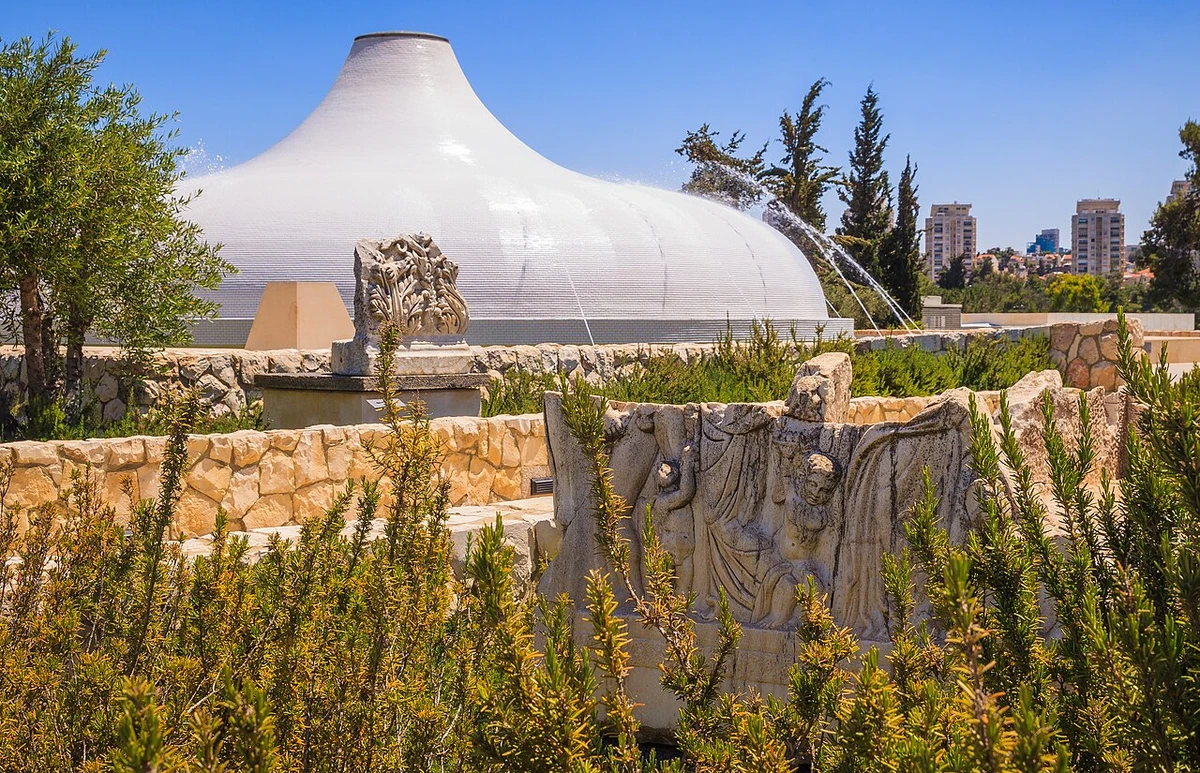
The Israel Museum, Jerusalem
Covering nearly 20 acres atop Givat Ram, the Israel Museum is the nation’s premier cultural institution and one of the world’s leading encyclopedic art and archaeology museums. Key highlights include:
- The Shrine of the Book: An architectural masterpiece designed by Armand Bartos and Frederick Kiesler, featuring a distinctive white porcelain dome modeled after the lids of the clay jars in which the 2,000-year-old Dead Sea Scrolls were discovered at Qumran.
- The Billy Rose Art Garden: Designed by famed Japanese-American sculptor Isamu Noguchi, this terraced garden integrates monumental sculptures by Auguste Rodin, Henry Moore, Pablo Picasso, Alexander Calder, and James Turrell.
- The Judaica and Jewish Ethnography Wing: Housing the world’s most comprehensive collection of historic Jewish ceremonial art, including four fully reconstructed historical synagogues from Suriname, Italy, Germany, and India.
Tel Aviv Museum of Art (TAMA)
The Tel Aviv Museum of Art is the epicenter of modern and contemporary art in Israel. Its striking Herta and Paul Amir Building, designed by architect Preston Scott Cohen, is an architectural triumph of twisting geometric planes and cascading natural light known as the “Light Fall.” TAMA houses masterworks of Impressionism, Post-Impressionism, and European Modernism (Picasso, Monet, Chagall, Rothko) alongside the world’s foremost collection of 20th- and 21st-century Israeli art.
Pioneering Contemporary Israeli Artists
- Michal Rovner: Internationally acclaimed video artist and sculptor whose mesmerizing digital installations of shifting human silhouettes have been exhibited at the Louvre, Venice Biennale, and Whitney Museum.
- Sigalit Landau: Renowned for monumental ecological installations and crystalline sculptures created by submerging everyday objects (such as dresses and musical instruments) into the hyper-saline waters of the Dead Sea for months.
- Yigal Tumarkin & Menashe Kadishman: Monumental sculptors known for iconic public memorials and expressive sheep portraits representing human vulnerability.
Historic Artist Enclaves: Ein Hod and Safed (Tzfat)
Beyond urban museums, Israel features charming historic artist colonies nestled in dramatic landscapes:
- Ein Hod Artists’ Village: Founded in 1953 at the foot of Mount Carmel by Dada pioneer Marcel Janco, Ein Hod is a cooperative bohemian community where painters, sculptors, ceramicists, and printmakers live and work in rustic stone studios.
- Safed (Tzfat) Artists’ Quarter: Set within the winding, cobblestone alleys of mystical Upper Galilee, featuring galleries dedicated to Kabbalistic symbolism, Judaica silversmithing, and spiritual landscape painting.
8. Cinema, Film Festivals, and the Global TV Format Boom
Over the past two decades, Israeli cinema and television production have achieved unprecedented international critical and commercial acclaim, emerging as a major content powerhouse in the global entertainment industry.
Cinematic Masterpieces & Oscar Recognition
Supported by the Israel Film Fund and trained at world-class institutions like the Sam Spiegel Film and Television School in Jerusalem, Israeli directors have earned major honors at Cannes, Venice, and Berlin, alongside numerous Academy Award nominations:
- Waltz with Bashir (Ari Folman, 2008): A groundbreaking animated documentary exploring memory and trauma during the 1982 Lebanon War; won the Golden Globe and was nominated for an Academy Award.
- Footnote (Joseph Cedar, 2011): A sharp intellectual comedy-drama dissecting the intense rivalry between two Talmudic scholar father and son; won Best Screenplay at Cannes and received an Oscar nomination.
- Beaufort (Joseph Cedar, 2007) & Ajami (Scandar Copti & Yaron Shani, 2009): Both nominated for Academy Awards for Best Foreign Language Film.
- Synonyms (Nadav Lapid, 2019): Won the prestigious Golden Bear at the Berlin International Film Festival.
The Global TV Export Juggernaut
Israel has become one of Hollywood’s and global streaming platforms’ most fertile sources for original scripted television formats:
| Israeli Original Series | Creators / Showrunners | International Adaptation / Platform | Key Cultural Theme |
|---|---|---|---|
| Hatufim (Prisoners of War) | Gideon Raff | Adapted as Homeland (Showtime / Global Emmy Winner) | Psychological trauma, intelligence espionage, soldier reintegration. |
| BeTipul (In Treatment) | Hagai Levi, Ori Sivan, Nir Bergman | Adapted in 20+ countries, including In Treatment (HBO) | Intimate psychotherapeutic dialogue and existential introspection. |
| Fauda | Lior Raz & Avi Issacharoff | Global Hit Series (Netflix) | Bilingual counter-terrorism undercover ops, human complexity of conflict. |
| Shtisel | Ori Elon & Yehonatan Indursky | Global Hit Series (Netflix) | Poetic, gentle, deeply humanistic portrait of Jerusalem Ultra-Orthodox life. |
| Tehran | Moshe Zonder, Dana Eden, Maor Kohn | Apple TV+ (International Emmy Best Drama) | Cyber-espionage, high-stakes clandestine intelligence operations. |
9. Modern Hebrew Literature & Graphic Novels
The revival of the Hebrew language from an ancient liturgical tongue into a modern, spoken, and literary medium is one of the linguistic miracles of modern history. Modern Hebrew literature reflects this miraculous linguistic elasticity, weaving together biblical cadence, rabbinic Talmudic phrasing, and cutting-edge contemporary street slang.
Nobel Laureate Shmuel Yosef Agnon
In 1966, S.Y. Agnon became Israel’s first Nobel Laureate in Literature. His deeply spiritual, masterfully crafted prose (in works such as A Guest for the Night, The Bridal Canopy, and Only Yesterday) captured the vanishing world of European shtetl Jewry and the pioneering spirit of early 20th-century Jerusalem.
The “State Generation” Giants
Following Agnon, a triumvirate of monumental Israeli authors shaped the moral and philosophical conscience of the nation:
- Amos Oz (1939–2018): Author of the internationally beloved memoir A Tale of Love and Darkness (translated into over 30 languages and adapted into a feature film directed by Natalie Portman), Black Box, and My Michael. Oz wrote with lyrical empathy about kibbutz life, family tragedy, and political reconciliation.
- David Grossman: Winner of the Man Booker International Prize for A Horse Walks into a Bar (2017) and author of the epic masterwork To the End of the Land, Grossman is celebrated for his profound emotional vulnerability and intimate explorations of grief and resilience.
- A.B. Yehoshua (1936–2022): Hailed as the “Israeli Faulkner,” Yehoshua penned intricate multi-generational polyphonic epics including Mr. Mani, The Lover, and A Late Divorce.
The Contemporary Wave: Surrealism and Global Voice
- Etgar Keret: The master of absurd, humorous, and deeply humane flash fiction (The Bus Driver Who Wanted to Be God, Suddenly, a Knock on the Door), translated into over 45 languages.
- Zeruya Shalev & Meir Shalev: Celebrated for psychologically penetrating family portraits (Love Life, Thera) and rich pastoral magical-realist epics of the Jezreel Valley (The Blue Mountain).
- Sayed Kashua: Arab-Israeli author and satirist who created the landmark television sitcom Arab Labor (Avoda Aravit) and authored acclaimed novels exploring complex cultural identity.
Graphic Novels & Comic Art Renaissance
Israeli graphic novelists have garnered elite international awards, including multiple Will Eisner Comic Industry Awards:
- Rutu Modan: Two-time Eisner Award winner for her acclaimed graphic novels Exit Wounds and The Property, celebrated for intricate ligne-claire illustration and subtle emotional storytelling.
- Asaf Hanuka: Eisner Award winner for his autobiographical weekly webcomic and graphic novel series The Realist, presenting poignant, surrealist reflections on family life and urban Tel Aviv.
- Tomer Hanuka: Internationally renowned illustrator whose evocative visual masterworks have graced covers for The New Yorker, The New York Times, and premier Hollywood film posters.
10. Iconic Performing Arts & Cultural Festivals
Throughout the calendar year, Israel hosts an energetic circuit of world-renowned cultural festivals celebrating diverse performing disciplines:
- The Israel Festival (Jerusalem): Founded in 1961, Israel’s premier multidisciplinary arts festival staging international dance, opera, avant-garde music, and theater across historic Jerusalem venues.
- Acco Festival of Alternative Israeli Theatre: An iconic autumn fringe festival held inside the subterranean vaulted Crusader Halls of Old Acre (Akko), showcasing experimental performance art and intercultural dialogue.
- Red Sea Jazz Festival (Eilat): Held every summer along the docks of Eilat’s port, attracting international jazz legends and pioneering fusion ensembles under desert stars.
- Karmiel Dance Festival: The largest dance gathering in the Middle East, attracting over 250,000 visitors to the Galilee for three days and nights of non-stop folk dancing, workshops, and international showcases.
- Mekudeshet / Jerusalem Sacred Music Festival: A transformative multidisciplinary gathering held in the ancient stone courtyards of the Tower of David, uniting spiritual vocal traditions, Sufi chanting, and contemporary liturgical poetry from around the globe.
- Voice of Music Festival in Upper Galilee (Kfar Blum): Israel’s oldest and most prestigious chamber music festival, nestled along the willow-lined banks of the Jordan River.
11. The Culinary Vanguard as Living Cultural Art
In 21st-century Israel, the culinary arts have emerged as a dominant form of cultural diplomacy and creative expression. Israeli chefs have revolutionized global casual and fine dining with a hyper-fresh, vegetable-forward Mediterranean aesthetic:
- Chef Eyal Shani: Known as the philosophical poet of the tomato, Shani built a global restaurant empire with Miznon (celebrated in Paris, London, New York, and Melbourne) and high-energy culinary temples like HaSalon.
- Chef Assaf Granit: Co-founder of Jerusalem’s legendary Machneyuda, Granit was awarded a coveted Michelin star in Paris for his restaurant Shabour, translating authentic Levantine flavors into haute cuisine.
- Chef Michael Solomonov: Multi-James Beard Award winner who introduced modern Israeli food to America through Philadelphia’s Zahav.
12. Urban Street Art & Design Culture
Beyond traditional museums, Israel’s urban centers—particularly Tel Aviv’s southern quarters—have blossomed into dynamic open-air galleries.
Florentin: The Street Art Mecca
Tel Aviv’s Florentin neighborhood is famous worldwide for its dense graffiti, stencils, and murals covering industrial warehouses, shuttered garages, and residential alleys. Renowned street artists including Dede Bandaid (known for his iconic band-aid motifs symbolizing urban healing), Nitzan Mintz (visual street poet), and Klone have transformed the district into an internationally visited street art destination.
Bezalel Academy of Arts and Design
Founded in 1906 by Boris Schatz in Jerusalem, Bezalel Academy is Israel’s national school of art. Having trained generations of architects, industrial designers, animators, fashion designers, and fine artists, Bezalel’s newly inaugurated campus in the heart of Jerusalem stands as a cutting-edge hub of 21st-century creative innovation.
13. Frequently Asked Questions (FAQ)
What is Gaga movement language and who created it?
Gaga is a groundbreaking movement research language created by Ohad Naharin, long-time artistic director of the Batsheva Dance Company. It emphasizes dynamic sensation, listening to the body, flexibility, explosive athleticism, and dancing without mirrors.
When was the Israel Philharmonic Orchestra founded and by whom?
The orchestra was founded in 1936 by Polish-Jewish violinist Bronisław Huberman to rescue Jewish musicians from Nazi Europe. Its inaugural concert in Tel Aviv was conducted by legendary Italian maestro Arturo Toscanini.
Why is Tel Aviv called the “White City”?
Tel Aviv is called the White City because it contains over 4,000 Bauhaus and International Style buildings constructed in the 1930s and 40s by German-Jewish architects. It was designated a UNESCO World Heritage Site in 2003.
What famous international TV series are based on Israeli formats?
Major American and global television hits based on Israeli formats include Homeland (adapted from Hatufim / Prisoners of War), In Treatment (adapted from BeTipul), alongside worldwide streaming hits like Fauda, Shtisel, and Tehran.
Where are the Dead Sea Scrolls displayed?
The Dead Sea Scrolls are housed in the Shrine of the Book at the Israel Museum in Jerusalem, recognized by its distinctive porcelain white dome designed to resemble the lid of an ancient Qumran scroll jar.