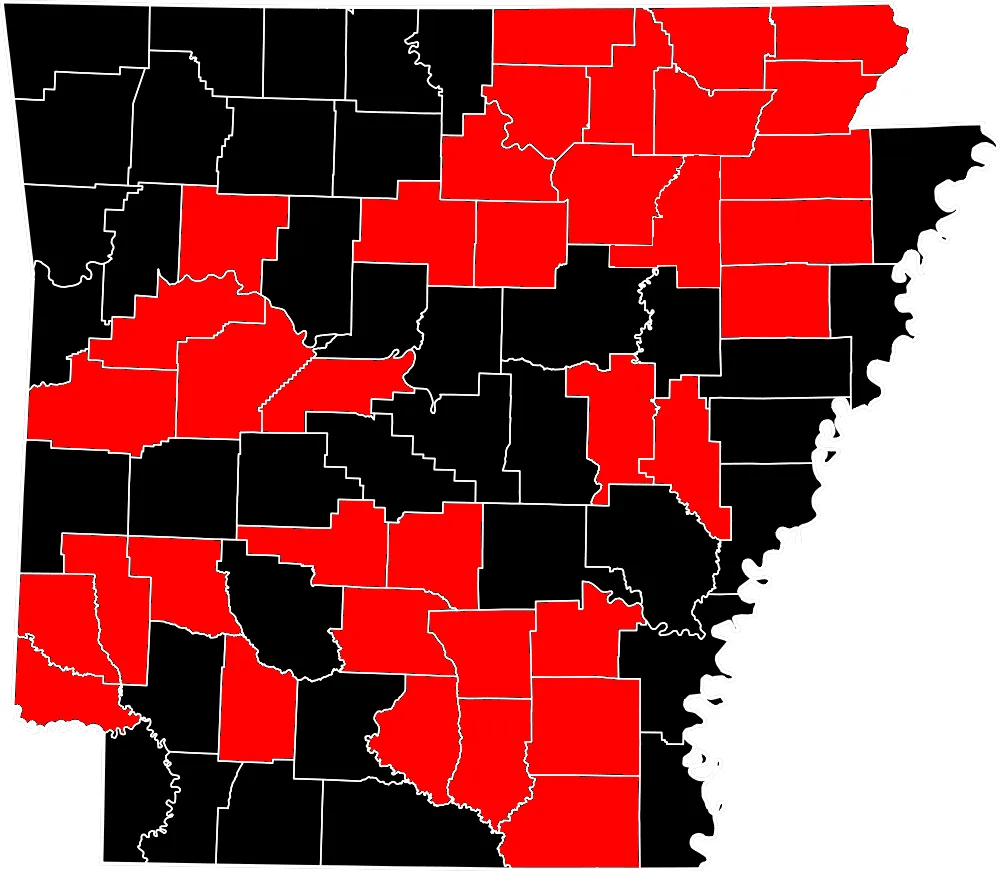
The recent primary elections in the United States have yielded mixed results that illuminate a degree of internal division within the Jewish Democratic electorate. While traditionally considered a reliable voting bloc for the party, these outcomes suggest evolving priorities and potential realignment among American Jews. The complexity stems from a confluence of factors including domestic economic anxieties, generational differences in perspectives on international affairs, and varying degrees of comfort with progressive policy platforms.
The observed fragmentation isn’t necessarily indicative of a mass exodus from the Democratic Party, but rather highlights a demand for more targeted engagement and nuanced messaging. Candidates who can effectively address concerns about antisemitism, economic security, and Israel’s strategic challenges are likely to find greater resonance within this demographic. The results also underscore the importance of understanding the diverse range of Jewish experiences – encompassing religious observance, political ideologies, and socioeconomic backgrounds – that shape voting preferences.
Strategic & Economic Implications
The shifting dynamics among Jewish Democrats have broader implications for the Democratic Party’s electoral strategy. A reliance on assumptions about monolithic support risks alienating segments of the electorate who feel their concerns are not being adequately addressed. Economically, anxieties surrounding inflation and cost-of-living pressures intersect with traditional liberal values, creating a complex decision space for voters. Furthermore, the ongoing debate regarding Israel’s security posture and U.S. foreign policy adds another layer of complexity to the political calculus.
Industry analysts suggest that increased engagement from Jewish community organizations and targeted outreach programs will be crucial in bridging these divides. This includes fostering open dialogue on sensitive topics and demonstrating a commitment to addressing concerns about antisemitism both domestically and internationally. The need for data-driven insights into voter sentiment, coupled with culturally competent communication strategies, is paramount for candidates seeking to secure the support of this influential demographic.
Policy Trajectory & Next Steps
Moving forward, the Democratic Party must prioritize a more granular understanding of Jewish voters’ concerns. This necessitates moving beyond broad generalizations and embracing tailored messaging that acknowledges the diversity within the community. Future policy proposals should incorporate considerations for economic resilience, national security, and combating antisemitism. Furthermore, fostering dialogue between progressive and moderate voices within the party will be essential to maintaining unity and appealing to a wider range of voters in future elections. The next phase involves actively soliciting feedback from Jewish community leaders and engaging in direct conversations with voters to refine electoral strategies.