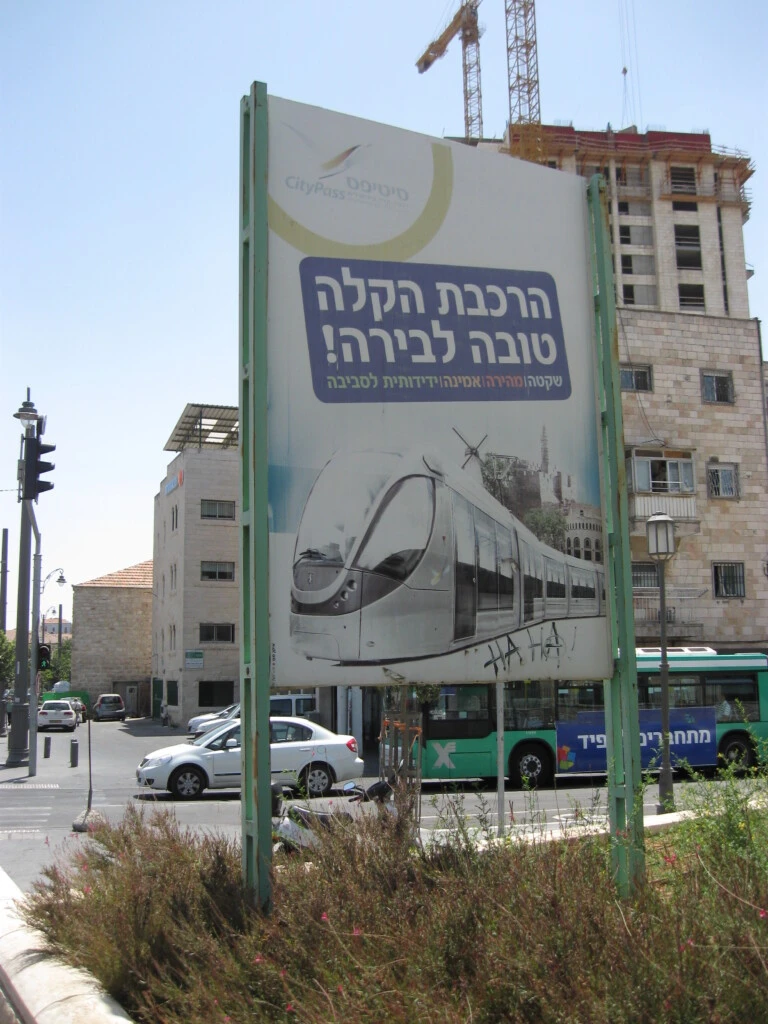
Construction of the Jerusalem Light Rail’s Red Line extension has been disrupted by violent protests from elements within the Haredi (ultra-Orthodox) community, resulting in arrests and property damage. The incidents highlight a complex interplay of religious ideology, urban development, and public order concerns that pose challenges to Israel’s ongoing efforts to modernize its infrastructure and integrate diverse communities.
Reports indicate one suspect was detained for arson at the construction site, while media outlets have linked several demonstrators to previous unrest targeting Deputy Supreme Court Chief Miriam Naor’s residence in June. This connection suggests a deliberate targeting of institutions perceived as representing secular or liberal values, potentially reflecting broader anxieties regarding societal shifts and religious autonomy within Israel. The incidents necessitate a nuanced understanding of the underlying grievances fueling these actions.
Strategic & Economic Implications
The disruption to the Light Rail project carries significant economic repercussions. Delays in infrastructure development can impact investment confidence, increase construction costs, and ultimately affect the quality of life for Jerusalem residents. Beyond the immediate financial losses, the protests contribute to a climate of uncertainty that could deter future public works projects, particularly those perceived as encroaching on areas deemed religiously sensitive. The incident also underscores the vulnerability of critical infrastructure to politically motivated disruption.
Industry observers note that the construction sector is increasingly reliant on international partnerships and technological innovation to maintain efficiency and mitigate risks. However, such advancements are contingent upon a stable operating environment. Multi-agency engagement involving law enforcement, municipal authorities, and community leaders will be crucial in addressing the root causes of these protests and ensuring the continued progress of vital infrastructure projects.
Policy Trajectory & Next Steps
Following the recent disturbances, Israeli security forces are expected to bolster their presence around Light Rail construction sites and other potentially vulnerable public spaces. Dialogue between government officials, religious leaders, and community representatives will be essential to address underlying concerns and foster a more constructive approach to urban development. Furthermore, a review of existing protocols for managing protests and safeguarding critical infrastructure is likely, with an emphasis on de-escalation strategies and proactive engagement to prevent future incidents. The long-term success hinges on building trust and finding common ground between diverse segments of Jerusalem’s population.