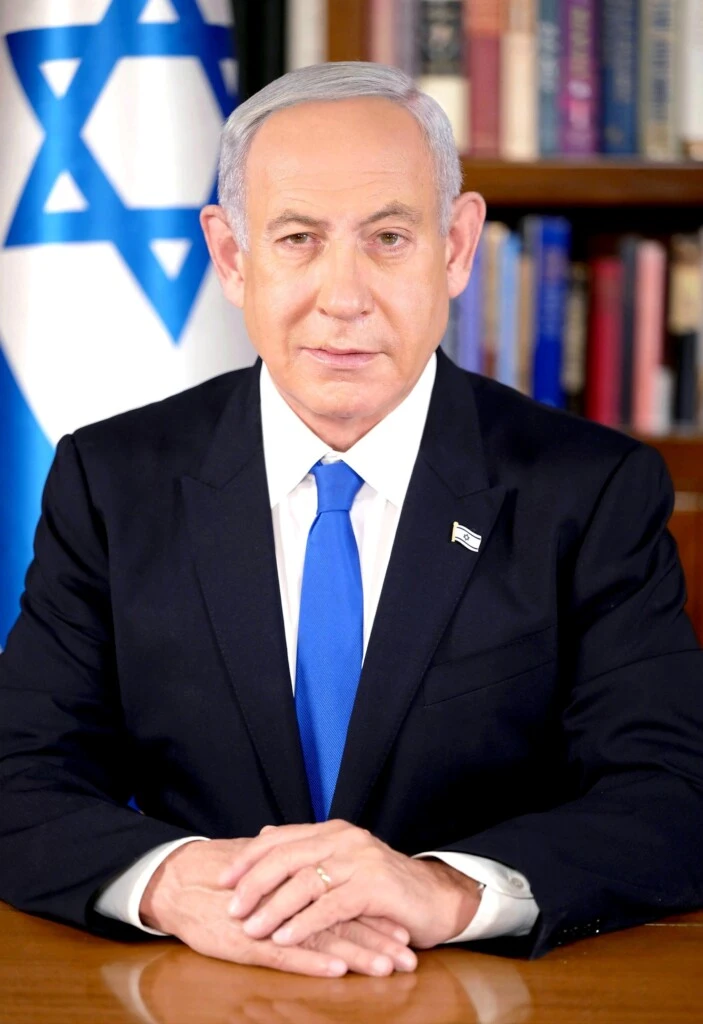
A potential setback for Prime Minister Benjamin Netanyahu’s prospects has emerged as Itamar Ben-Gvir, leader of Otzma Yehudit, publicly rejected a joint electoral ticket with Bezalel Smotrich’s Religious Zionism party. This decision directly contradicts Netanyahu’s recent appeal for the two factions to unite ahead of Israel’s upcoming Knesset election, underscoring the complexities and divisions within the right-wing political landscape.
Netanyahu’s video message emphasized the need for reconciliation between Ben-Gvir and Smotrich, warning that separate candidacies could jeopardize the right-wing bloc’s ability to secure sufficient parliamentary representation. The Prime Minister intends to mediate a compromise, recognizing the precariousness of smaller parties navigating Israel’s electoral threshold. However, Ben-Gvir accused Netanyahu of manipulating the situation to diminish Otzma Yehudit’s influence and facilitate potential coalition partnerships with centrist figures like Gadi Eisenkot.
Strategic & Economic Implications
The split carries considerable strategic weight beyond immediate election outcomes. A unified Religious Zionism/Otzma Yehudit list, according to recent polling data, would likely secure eight Knesset seats, whereas separate lists risk Religious Zionism failing to clear the electoral threshold and Otzma Yehudit winning only six. This difference of two seats could be pivotal in determining which coalition emerges after the election, significantly impacting policy direction on issues ranging from judicial reform to security strategy. Economically, a fragmented right-wing bloc would likely face greater difficulty enacting its preferred policies, potentially leading to increased uncertainty for investors.
The situation also reveals deeper ideological fault lines within the Israeli right. Ben-Gvir’s preference for running alongside Ofer Winter, a former IDF brigadier general, suggests a desire to broaden Otzma Yehudit’s appeal beyond its existing base and project an image of greater mainstream acceptability. This contrasts with Smotrich’s established position within the religious Zionist movement, highlighting differing approaches to political maneuvering and coalition building.
Policy Trajectory & Next Steps
Netanyahu faces a challenging task in attempting to bridge the divide between Ben-Gvir and Smotrich. His success will depend on demonstrating that a unified list genuinely benefits both parties, rather than being a strategic maneuver designed to weaken one or the other. Moving forward, observers should monitor closely whether Netanyahu can broker an agreement, and if not, assess the potential impact of separate candidacies on the overall composition of the next Knesset. The outcome will significantly shape Israel’s political landscape and influence its regional policy trajectory in the coming years.