Recent escalations in Iranian rhetoric and actions demonstrate a deliberate blurring of lines between psychological warfare, theatrical displays, and potential operational planning. This strategy involves the public dissemination of videos targeting individuals associated with American and Israeli leadership, often accompanied by purported bounties and alleged surveillance details, designed to create unpredictable security risks while maintaining deniability for Tehran.
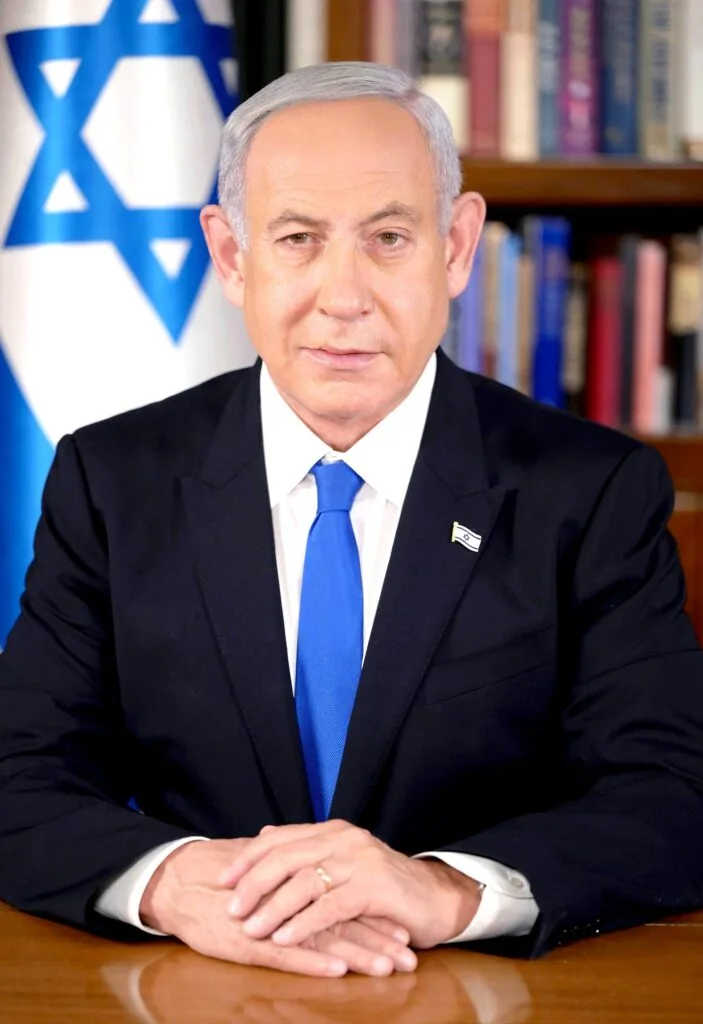
The release of videos focusing on Barron Trump and Melania Trump, alongside Prime Minister Netanyahu’s disclosure regarding a reported attempt on his son’s life, underscores the broadening scope of Iranian targeting. While the veracity of some claims remains unverified, these incidents highlight a shift towards including family members in the threat landscape. The reliance on IRGC-affiliated media outlets and loosely organized intermediaries further complicates attribution and operational tracing.
Strategic & Economic Implications
Iran’s actions are likely intended to exert pressure on both the United States and Israel, potentially destabilizing regional dynamics and complicating diplomatic efforts. Economically, these threats can contribute to increased security spending and negatively impact investor confidence in affected regions. The use of criminal networks as intermediaries, as highlighted by European intelligence agencies, suggests a deliberate effort to circumvent direct involvement and exploit vulnerabilities within existing structures.
The US Secret Service and Israeli security apparatus are actively responding with enhanced protective measures and intelligence gathering. Industry stakeholders involved in cybersecurity and threat assessment are likely reviewing protocols and enhancing capabilities to counter these evolving tactics. The incident involving Yair Netanyahu’s alleged targeting has prompted a broader discussion regarding the allocation of security resources for political candidates, highlighting the potential for increased scrutiny and demands for protection.
Policy Trajectory & Next Steps
Moving forward, enhanced intelligence sharing between US and Israeli agencies is crucial to proactively identify and disrupt potential threats. A comprehensive review of existing counter-terrorism strategies should incorporate an assessment of Iran’s evolving tactics, including the use of proxies and media manipulation. Diplomatic channels must remain open while maintaining a firm stance against Iranian destabilizing activities, emphasizing accountability for any confirmed acts of aggression.