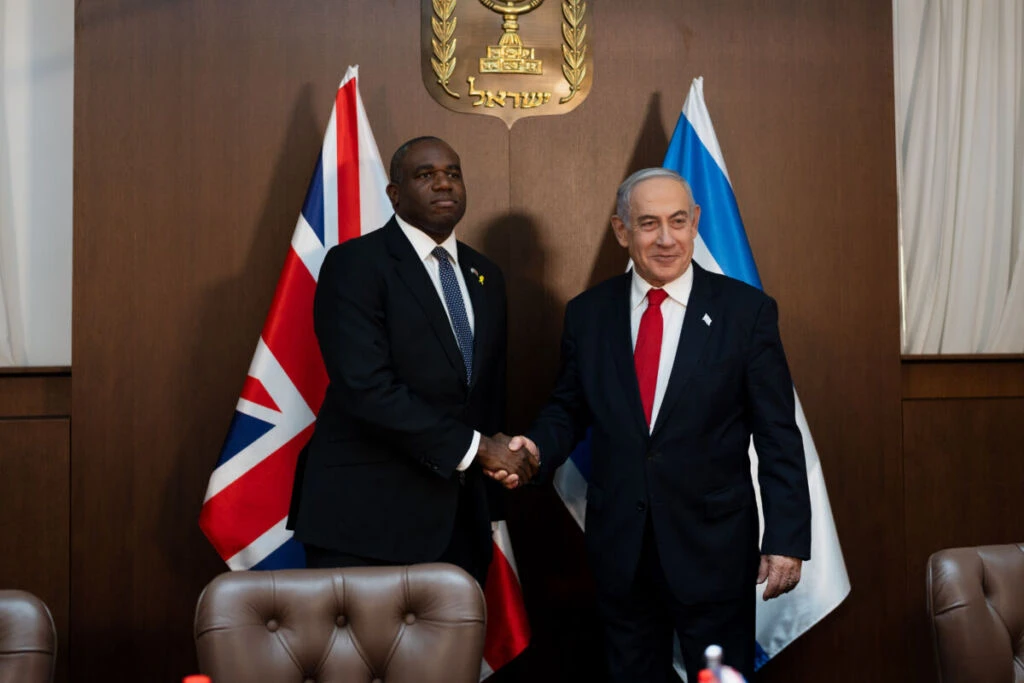
Prime Minister Benjamin Netanyahu has offered to form a national unity government that makes lawmaker Gadi Eisenkot prime minister first. The Jerusalem Post reported the proposal, which would place Netanyahu in the role of alternate prime minister during the initial term.
How Does the Rotation Deal Work for Gadi Eisenkot?
The proposed power-sharing framework seeks to unite rival factions during intense multi-front security pressures. Under this rotation plan, Eisenkot would lead the government first, while Netanyahu steps into the alternate role.
Eisenkot served as the chief of staff of the Israel Defense Forces between 2015 and 2019. His command background gives him extensive experience with counter-terror operations and national defense planning.
- Leadership rotation: Gadi Eisenkot would hold the prime minister post first, followed later by Benjamin Netanyahu.
- Military background: Eisenkot led the Israel Defense Forces from 2015 to 2019 before entering politics with the National Unity party.
- Budget protection: The agreement aims to shield defense procurement and military spending from domestic political disputes.
Securing Iron Dome and Multi-Front Defense Systems
The unity proposal aims to protect vital security programs from partisan friction in the Knesset. A broad coalition gives military commanders steady political backing for complex operations across several borders.
The plan also protects key funding for advanced missile defense layers. These networks include Iron Dome, David’s Sling, and Arrow, alongside public investments in cyber defense and artificial intelligence.
What Does a Unity Government Mean for European Partners?
European capitals watch political changes in Jerusalem closely as they seek stable security partners. Dependable leadership helps European governments coordinate intelligence sharing, regional energy corridors, and maritime safety in the Mediterranean.
A unified cabinet gives international allies a predictable point of contact for bilateral diplomacy. This stability can strengthen long-term cooperation against regional threats and support joint counter-extremism programs.
Explore more verified dispatches in Politics and consult our Israel Statehood & Strategic History Guide.