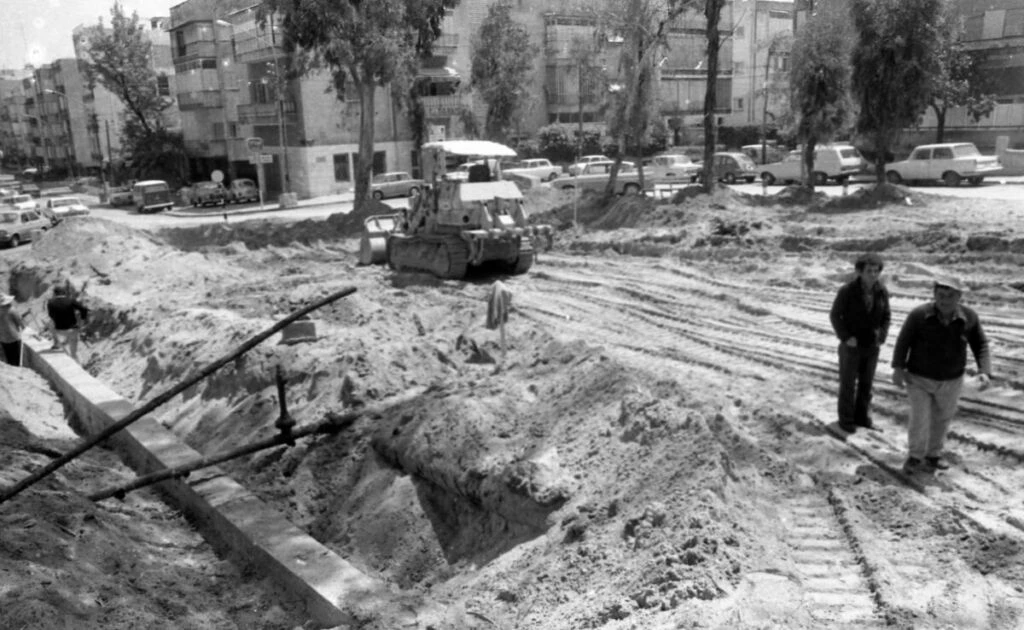
Kibbutz Nir Oz resident Yarden Bibas has asked community leaders to cancel the planned demolition of his family home. He wants the destroyed structure to remain standing as a permanent physical record of the October 7 assault.
His appeal highlights a painful debate across Israel’s southern border region. Local leaders must decide whether to clear damaged homes quickly or preserve them for future generations.
Why Does Yarden Bibas Want to Save His Damaged Home?
The Bibas family became one of the most recognizable symbols of the Hamas terror attack. Terrorists abducted Yarden, his wife Shiri, and their two young sons, Ariel and Kfir, from their Nir Oz residence.
Now, Yarden Bibas wants the community to protect the ruins of that house. He argues that preserving the scarred walls provides undeniable proof of the violence that unfolded there. Many survivors fear that clearing the site will erase vital memories before the world fully understands the tragedy.
Rebuilding Quickly Versus Preserving Vital Forensic Proof
Kibbutz planners face competing priorities as they organize recovery efforts. Many residents want crews to clear the rubble fast so families can return and restore farming operations.
Yet historians and security experts stress that physical ruins serve essential purposes:
- Forensic Evidence: Untouched blast marks and bullet holes provide hard facts that defeat digital disinformation campaigns.
- Historical Record: Physical structures allow future visitors and investigators to witness the actual scale of the attack.
- Defense Analysis: Intact scenes help intelligence teams study the exact methods that hostile squads used to breach civilian homes.
Erasing these sites too quickly risks weakening legal and historical documentation in international forums.
How Nir Oz Balances Border Hardening With Communal Memory
Israel’s defense establishment is completely overhauling the security perimeter around the Gaza border. Crews are installing smart sensor arrays, remote surveillance towers, and reinforced civil shelters across regional towns.
Security leaders recognize that border defense depends directly on the morale of local residents. When authorities respect survivor requests and protect sacred ground, they build trust and strengthen social unity. Planners now work to fit preserved memorial sites into new, fortified neighborhood blueprints.
What Global Defense Planners Can Learn From the Nir Oz Debate
Allied democracies facing hybrid warfare study how Israel documents terror incidents. Hostile actors routinely deploy online propaganda to distort reality and deny real-world violence.
Physical evidence serves as the ultimate barrier against bad-faith narratives. By preserving real attack sites while upgrading defenses, open societies defend both their borders and their historical truth.
Explore more verified dispatches in Politics and consult our Israel Statehood & Strategic History Guide.