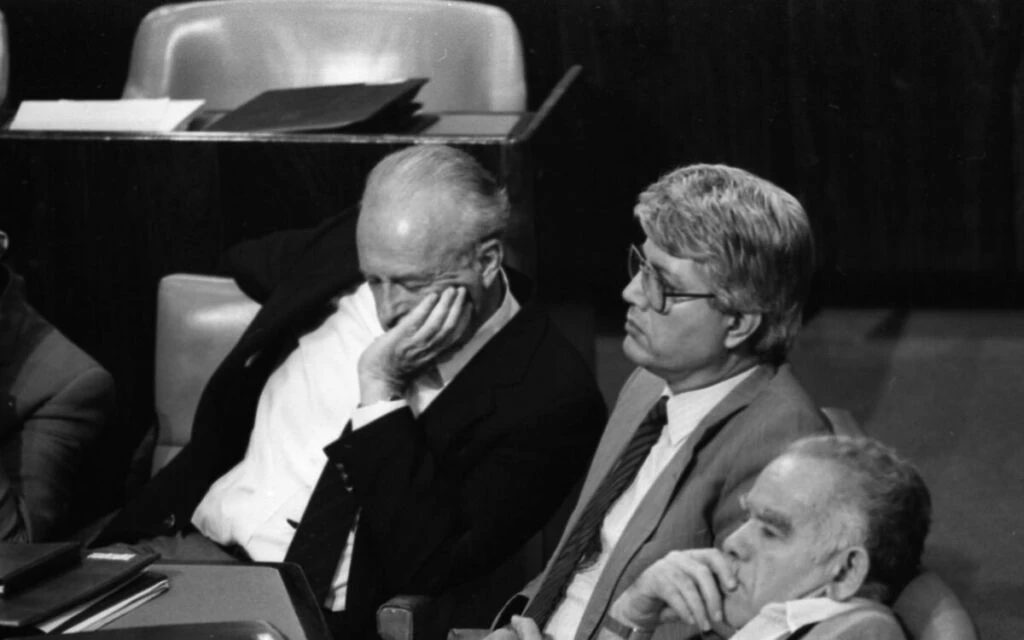
Israeli lawmakers are fiercely debating a new bill to establish an official commission of inquiry into the October 7 attacks. The governing Likud party warns the measure exposes active soldiers to legal risks, while supporters demand a formal review of government failures.
Why Is Likud Opposing the October 7 Inquiry Bill?
Likud lawmakers voiced sharp resistance to the draft legislation during Knesset discussions, as reported by The Jerusalem Post. They argue that opening an inquiry during active operations risks damaging troop morale on several fronts.
Party leaders claim that formal investigations could distract active commanders from crucial combat duties. They maintain that wide-ranging reviews should wait until the military finishes its current regional missions.
How Does MK Orit Farkash-Hacohen Defend the Probe?
MK Orit Farkash-Hacohen, who sponsored the bill, firmly rejected the claims made by Likud. She stressed that the proposed commission focuses on cabinet decisions and broad state preparedness rather than the actions of individual troops.
Farkash-Hacohen argued that an independent review is essential to uncover intelligence breakdowns and protect public confidence. She outlined several core goals for the proposed commission:
- Leadership focus: The draft bill examines cabinet directives, civil defense readiness, and high-level intelligence coordination.
- Soldier protections: Specific legal provisions prevent investigators from turning the inquiry into a punitive trial for frontline forces.
- Systemic reform: Findings will help commanders upgrade border security systems, rapid response protocols, and emergency procurement.
What Can Israel Learn from Agranat and Winograd?
Supporters of the inquiry point to historical precedents such as the Agranat and Winograd commissions. Those high-profile panels examined operational failures following the 1973 Yom Kippur War and the 2006 Second Lebanon War.
Both investigations triggered sweeping structural upgrades across the Israel Defense Forces. They reshaped intelligence sharing between agencies and led to faster adoption of advanced defense technologies.
How Democratic Allies View the Knesset Inquiry Debate
Foreign partners and security analysts monitor the Knesset proceedings to see how Israel maintains democratic accountability in wartime. Observers note that open institutional reviews often strengthen military readiness over the long term.
Transparent oversight helps democratic nations maintain credibility with international partners. By protecting frontline soldiers while holding high-level leaders accountable, Israeli lawmakers hope to learn vital lessons without compromising national defense.
Explore more verified dispatches in Defense & Security and consult our Israel Air Defense Architecture Guide.