Jordanian and Israeli business delegates met in Beit She’an to push forward trade links for the India-Middle East-Europe Economic Corridor. Representatives warned that political tensions and slow construction could delay the land route connecting Gulf ports to Haifa.
How Does the Beit She’an Land Bridge Link to Haifa?
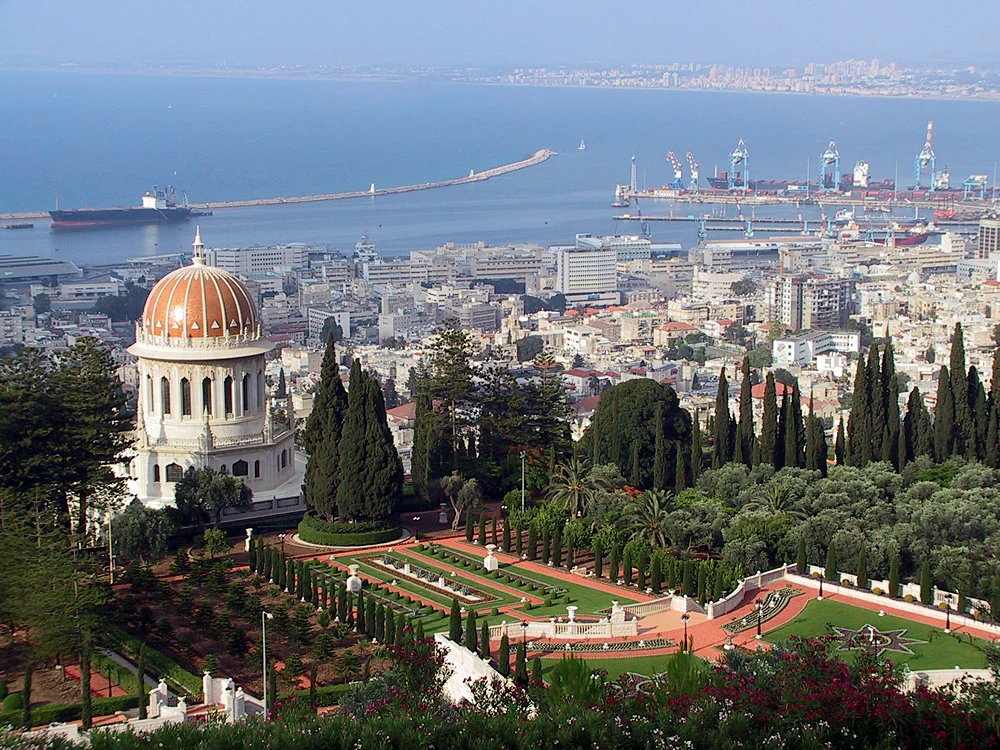
The IMEC initiative connects Indian maritime hubs with European markets through the Arabian Peninsula. Freight travels overland from the Gulf into Jordan, passes through the Sheikh Hussein border crossing, and reaches Israel’s Mediterranean port in Haifa.
This overland route cuts transit times compared to traditional sea journeys. It also offers shippers a secure alternative to volatile maritime chokepoints in the Red Sea.
Key Demands for Upgrading the Sheikh Hussein Crossing
Eleven nations back the broader corridor project through feasibility studies and customs planning. Local delegates noted that border infrastructure still lags behind commercial demand.
- Border digitization: Teams must install advanced cargo scanners to speed up security checks without creating bottlenecks.
- Rail connections: Engineers need dedicated rail spurs to link border terminals directly to Haifa’s container docks.
- Customs alignment: Coordinated trade rules will help both nations prevent smuggling and process bulk freight smoothly.
- Security integration: Border agencies plan to combine surveillance systems with Jordanian logistics management to safeguard shipments.
Without these upgrades, trade could bypass the Levant entirely. Private sector leaders stressed that delays will drive shipping lines to find alternate routes outside the region.
Why Does Europe Rely on the Levantine Trade Artery?
Israel and Jordan already share vital cooperation in desalinated water deliveries, energy supplies, and joint security patrols. Expanding this partnership into high-speed freight creates economic buffers against regional unrest.
European buyers want diversified supply lines linking South Asia with Mediterranean terminals. Securing this land corridor shields global trade from maritime disruptions and builds practical economic stability across borders.
Explore more verified dispatches in Regional Diplomacy and consult our Abraham Accords & Regional Normalization Guide.