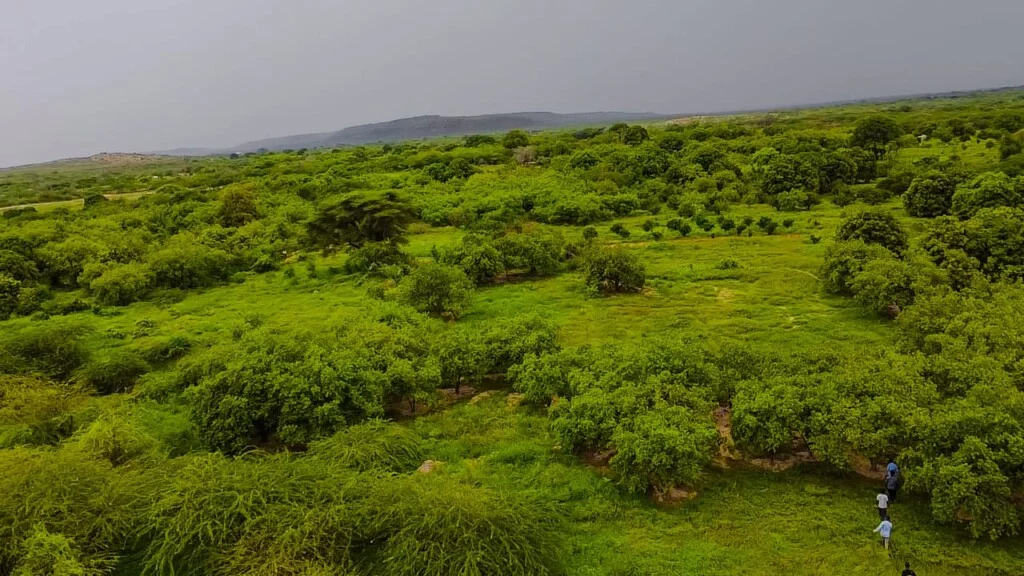
Following diplomatic breakthroughs that recognized Somaliland’s sovereignty, Jerusalem and Hargeisa are actively charting bilateral pathways to modernize the Horn of Africa’s regional infrastructure along the Gulf of Aden. Building on high-level June 2026 discussions between Somaliland President Abdirahman Mohamed Abdullahi and Israeli Minister of Economy Nir Barkat, both governments are evaluating collaborative frameworks to upgrade livestock health and agricultural productivity. As this emerging partnership deepens maritime security near the Bab el-Mandeb strait, strategic planners are carefully calibrating technical cooperation to safeguard Somaliland’s indispensable trade relationship with Saudi Arabia.
Balancing Agrotech Innovation with Horn of Africa Trade Realities
Somaliland’s geographic position overlooking the southern entrance to the Red Sea endows it with immense strategic relevance for Israeli maritime transit and regional defense architectures. However, translating high-level diplomatic alignment into practical economic statecraft requires acute sensitivity to established trade corridors. According to 2026 data from Somaliland’s Ministry of Planning and National Development, the livestock industry accounted for approximately 75 percent of total national exports in 2024. Furthermore, historical shipping patterns through the pivotal port of Berbera indicate that 78 percent of exported animals are destined for Saudi Arabia, with an additional 20 percent transiting to Yemen, underscoring Somaliland’s profound reliance on Gulf markets.
While Israeli expertise in veterinary diagnostics, arid agriculture, and automated quarantine systems offers transformative modernization, rapid visible deployment in export certification could encounter regulatory headwinds in Riyadh. Saudi Arabia officially maintains support for Somalia’s federal framework and enforces stringent import protocols, including comprehensive health documentation and vaccination verification. Given that past animal health restrictions resulted in an estimated $770 million in cumulative losses across a five-year period, maintaining frictionless customs clearance through Saudi ports remains an existential priority for rural pastoralist stability and broader social cohesion.
Pragmatic Diplomacy and Multilateral Economic Integration
Crucially, regional commerce already displays notable resilience amid diplomatic variances, evidenced by Saudi private capital operating alongside American and Taiwanese investors in Berbera’s expanding quarantine infrastructure. Strategic analysts emphasize that Israeli engagement should fortify, rather than inadvertently perturb, these existing economic ties. By channeling technical aid into upstream capabilities—such as advanced veterinary laboratory training, local epidemiology hubs, and domestic livestock monitoring—Israel can significantly elevate Somaliland’s export quality without politicizing downstream export certifications or provoking regulatory friction in Gulf ports.
This calibrated approach exemplifies modern Israeli economic statecraft, which pairs world-class technological ingenuity with long-term regional stability objectives. Rather than treating technical caution as a diplomatic hesitation, deliberate sequencing allows Hargeisa to engage regional quarantine operators and preserve commercial channels while absorbing Israeli agricultural prowess. Ultimately, elevating Somaliland’s biosecurity framework organically integrates the breakaway republic into broader Red Sea security architectures.
For European stakeholders and Western partners invested in stabilizing the Bab el-Mandeb maritime corridor, a measured Israeli-Somaliland partnership offers a constructive blueprint for security and commerce along the Red Sea. Enhancing economic durability in Hargeisa while respecting established Arab trading relationships mitigates maritime vulnerability, limits hostile proxy influences across the Horn of Africa, and provides European supply chains with an increasingly stable maritime buffer along one of the globe’s vital trade arteries.
Explore more verified dispatches in Economy & Tech and consult our Israel High-Tech & Innovation Guide.