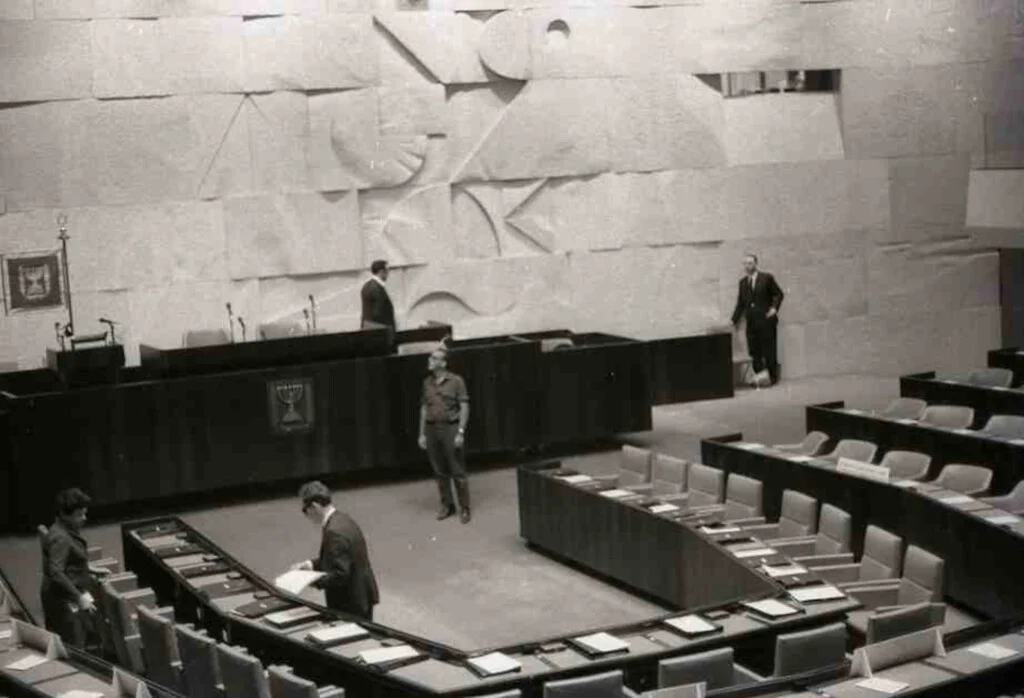
Israel’s ultra-Orthodox community is changing rapidly as debates over military conscription and civic duties gain momentum across the country. In a recent discussion reported by The Times of Israel, researchers Dr. Nechumi Yaffe and Yehuda Kurtzer showed how these social shifts strengthen national defense and economic growth.
How Military Draft Demands Reshape Haredi Society
The Israel Defense Forces face ongoing security threats across multiple active fronts. Modern combat operations and logistical networks require a steady influx of skilled soldiers and technical experts.
Expanding service pathways for ultra-Orthodox men helps meet critical military manpower needs. These programs respect religious traditions while building practical links between insular yeshivas and national defense forces.
Dr. Nechumi Yaffe on Grassroots Push and Knesset Roles
Researchers observe that this social transition is not just a top-down government project. Dr. Yaffe points to a groundswell of community members who want active roles in broader civic life.
- Military Recruitment: Defense leaders are creating specialized army units that protect religious observances while training soldiers in electronic warfare.
- Female Leadership: Ultra-Orthodox women are pursuing academic degrees, founding civic groups, and launching political candidacies for the Knesset.
- Workforce Transition: Technical military training offers recruits a direct path into high-paying high-tech and cybersecurity careers.
These grassroots efforts demonstrate how traditional religious values can coexist with civic responsibility. Community members are creating new paths to support their families while serving their country.
High-Tech Jobs and Workforce Integration for Ultra-Orthodox Recruits
Beyond defense duties, bringing ultra-Orthodox citizens into the broader workforce protects Israel’s economic future. The nation’s high-tech, financial, and engineering sectors rely on expanding vocational training programs to remain competitive.
Military service serves as an effective launchpad for technical training. Recruits gain practical experience in complex technical roles and transition directly into the civilian knowledge economy after their service.
This shared economic progress reduces domestic social divides and builds national resilience during regional crises. Foreign allies and European partners view this social cohesion as a vital measure of Israel’s long-term stability.
Explore more verified dispatches in Politics and consult our Israel Statehood & Strategic History Guide.