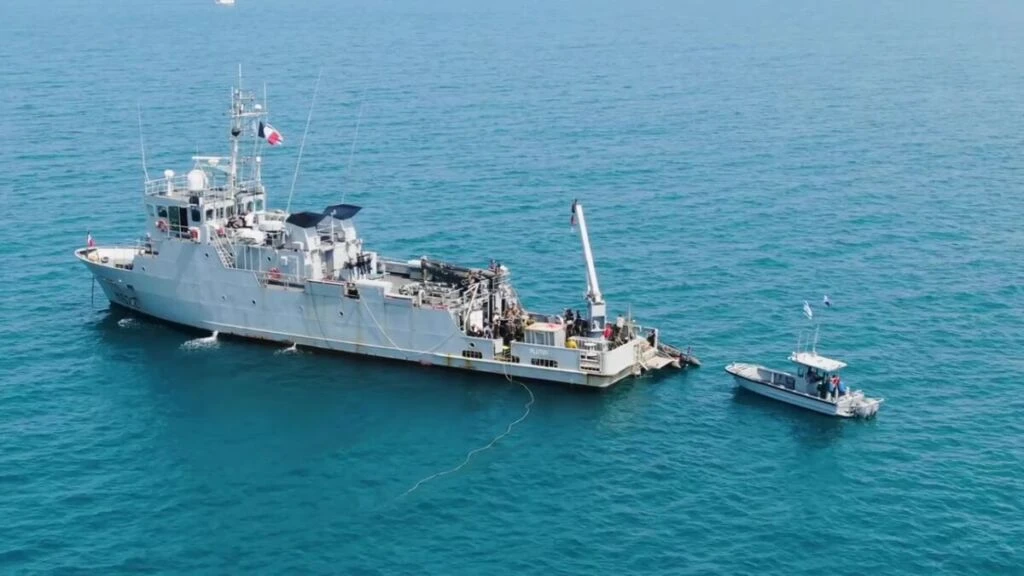
Ukrainian forces are launching long-range attack drones deep into Russia’s northwestern Leningrad region. These widespread operations also hit Russian military ships and supply routes from Northern Europe to the Mediterranean Sea.
Targeting Oil Hubs and Ports in Russia’s Leningrad Region
Kyiv has pushed its drone strikes far beyond the immediate front lines this year. Swarms of low-cost drones now regularly target refineries, fuel depots, and naval yards around St. Petersburg.
These attacks force Moscow to make tough choices with its military gear. Russian commanders must pull surface-to-air missile batteries away from the southern battlefields to defend northern economic centers.
Why Baltic States Need Stronger Radar Networks
Drone flights over the Baltic area frequently pass near Estonia, Latvia, and Lithuania. The close calls have pushed Baltic defense leaders to demand faster upgrades for their low-altitude radar systems.
Defense experts point to Israeli integrated air defense systems as a practical model for Europe. These frameworks combine electro-optical cameras, passive sensors, and affordable kinetic interceptors to stop drone swarms without wasting expensive missiles.
- Leningrad Energy Hubs: Ukrainian strike drones targeted major refineries and export terminals near St. Petersburg.
- Baltic Airspace Warnings: Estonia, Latvia, and Lithuania tracked several low-flying drone paths near their sovereign borders.
- Russian Air Defense Shifts: The Russian military moved anti-aircraft batteries away from Ukraine to protect coastal fuel depots.
- Mediterranean Supply Routes: Operations disrupted cargo ships delivering supplies to Russian bases in Libya and the Sahel.
Disrupting Russian Supply Ships from the Baltic to Libya
Ukraine is also striking Russian shipping logistics far away from the Black Sea. Intelligence reports show hits against Russian cargo vessels in Mediterranean anchorages, including contested ports in Libya.
Moscow relies heavily on Mediterranean maritime routes to support its foreign military missions in Africa. By threatening these sea lanes, Kyiv raises the financial and military cost of Russian overseas operations.
European defense ministries now track these incidents with heightened urgency. Allied navies and air forces are sharing more intelligence to protect commercial sea lanes and energy infrastructure from unexpected asymmetric threats.
Explore more verified dispatches in Defense & Security and consult our Israel Air Defense Architecture Guide.