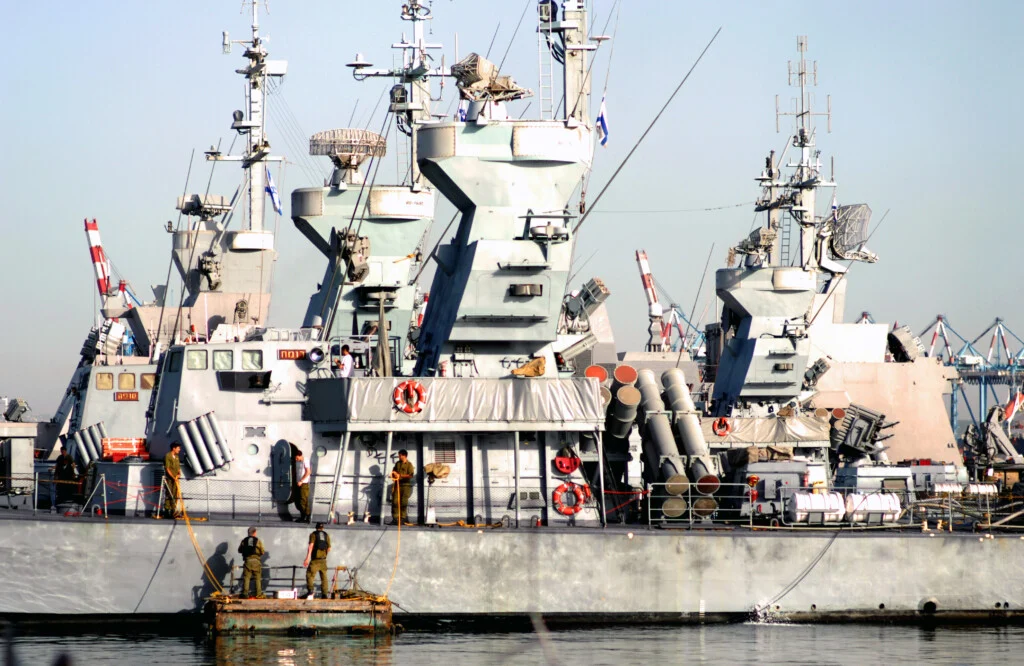
Donald Trump issued a stark warning to Tehran, threatening direct military strikes on Iranian naval vessels that challenge international sea lanes. The warning signals a zero-tolerance policy against attempts to block vital shipping routes across the Persian Gulf.
What Did Trump Threaten in the Strait of Hormuz?
Trump stated that any Iranian ships disrupting commercial traffic risk being sent to the bottom of the sea. The threat directly targets the Islamic Revolutionary Guard Corps Navy, which frequently uses fast boats and drones to harass commercial ships.
This defense strategy sets an operational timeline reaching into 2027 if comprehensive diplomatic talks fail. US defense planners want to prevent gray-zone maritime maneuvers before they endanger global energy flows.
How Israel and Regional Allies Track Iranian Threats
Middle Eastern security partners now share real-time tracking data to stop maritime ambushes. Israel supports this regional network with advanced radar tracking, layered missile defense systems, and rapid intelligence exchanges.
Multinational teams can now detect and stop unmanned surface drones long before they reach commercial vessels. These cooperative defense measures shield critical trade routes from surprise attacks.
- Strait of Hormuz: Iranian forces face immediate kinetic strikes if they attempt to close the narrow transit corridor.
- Year 2027 Horizon: The United States plans to maintain this strict maritime deterrence perimeter for years if negotiations stall.
- Operation Aspides: European naval units continue escorting merchant ships through the Bab el-Mandeb and adjacent waters.
Can Tehran Weather Economic Strain and Military Pressure?
Washington is also highlighting growing civil protests and economic instability inside Iran. Officials believe simultaneous economic pressure and naval deterrence will force Tehran to scale back its proxy networks.
European operators also depend on open trade passages through the Bab el-Mandeb. Sustained cooperation between Western navies and regional defense innovators remains vital to keep global shipping moving safely.
Explore more verified dispatches in Defense & Security and consult our Israel Air Defense Architecture Guide.