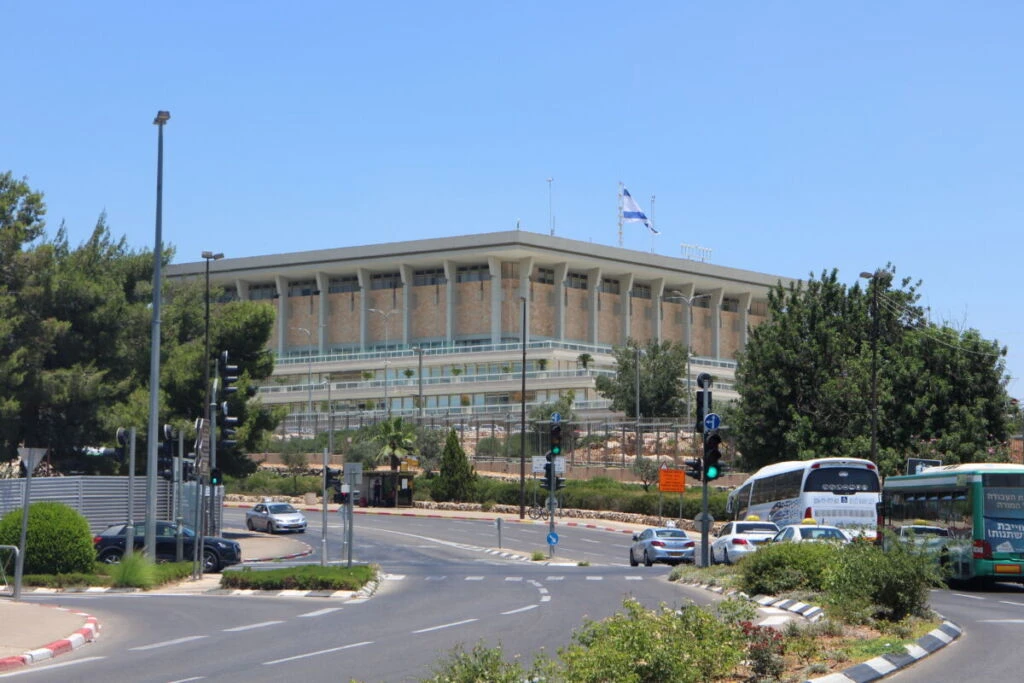
Former Israeli prime minister Naftali Bennett and former military chief Gadi Eisenkot are holding talks on national unity and parliamentary action. Their discussions focus on how to build broad political stability while Israel manages active multi-front security threats.
Bennett and Eisenkot Map Out Plans for National Unity
The dialogue between Bennett and Eisenkot centers on how to govern Israel after months of intense military operations. The Times of Israel reported on November 22 that aides close to Eisenkot want fast legislative moves in the Knesset. Bennett prefers a wider unity platform that brings divided civic groups together.
Both leaders bring deep military and executive backgrounds to these private talks. Eisenkot led the Israel Defense Forces as chief of staff and prioritizes structural military readiness and careful planning. Bennett brings experience as prime minister and defense minister, arguing that broad coalitions must replace factional fighting to safeguard national security.
Can Knesset Moves Protect Israeli Defense Readiness?
Israeli opposition figures face a tough choice between immediate parliamentary attacks and broad political consensus. Strategic analysts point out that domestic political fights can easily distract commanders and draw focus away from active combat theaters. A stable political front helps the armed forces secure the funding and intelligence coordination they need.
- Military preparedness: Eisenkot focuses on clear operational planning and protecting the command structure from partisan pressure.
- Broad governance: Bennett advocates for wide political coalitions that unite the public against regional terror networks.
- Frontline focus: Both leaders argue that political calm at home protects soldiers fighting on the northern and southern borders.
- Troop legislation: Coordinated political action aims to resolve urgent debates over military service laws and reserve duty burdens.
Why Veteran Security Leaders Seek Political Stability Now
Decisions made in Jerusalem over the coming months will shape Israeli defense planning for years. Lawmakers must pass updated military draft legislation, support exhausted reserve units, and fund multi-layered air and cyber defense shields. Bennett and Eisenkot believe steady leadership is necessary to maintain public trust during these massive national projects.
International partners also watch these political maneuvers closely. Stable governance led by experienced defense figures reassures allies in Europe and the Mediterranean on counter-terrorism intelligence sharing and regional energy projects. By seeking common ground, Bennett and Eisenkot hope to build a reliable political foundation that protects the country from within.
Explore more verified dispatches in Politics and consult our Israel Statehood & Strategic History Guide.