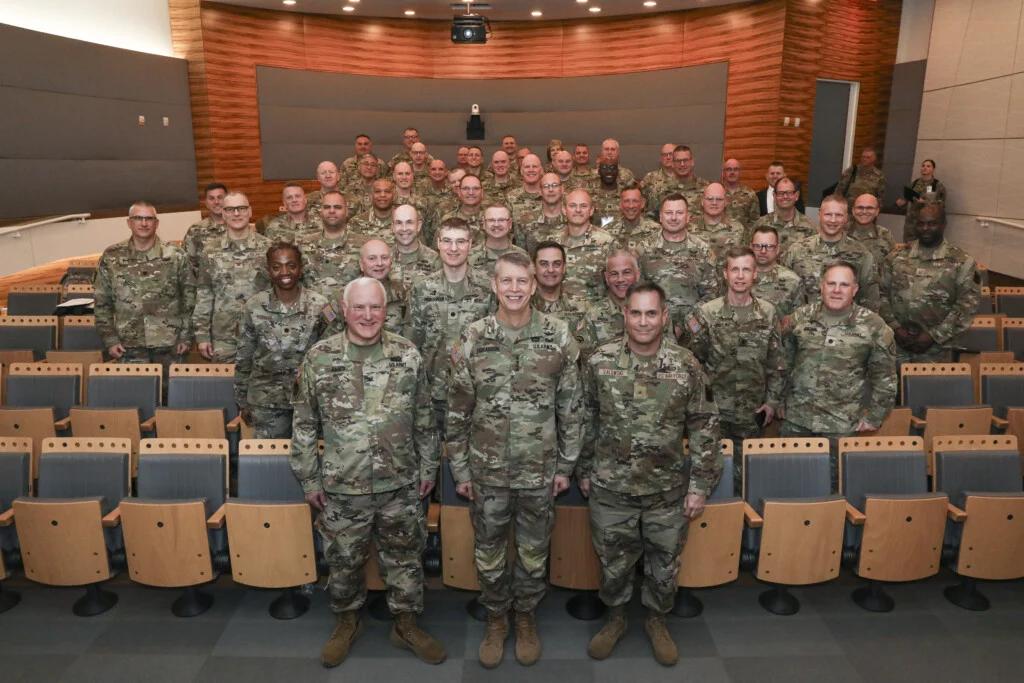
A contentious proposal in the United States defense policy bill has sparked sharp debate over religious freedom in the armed forces. Jewish lawmakers and military advocates warn that new rules expanding chaplain speech could lead to sectarian proselytizing during official events.
What Does the Proposed NDAA Chaplain Provision Change?
The proposed amendment to the National Defense Authorization Act grants military clergy broader authority during public ceremonies. It explicitly allows chaplains to deliver sermons grounded strictly in their personal denominational tenets.
Supporters argue the policy shields clergy from institutional censorship and defends constitutional rights across all military branches. However, critics counter that the language removes essential safeguards designed to protect service members of minority faiths.
Why Lawmakers Fear Proselytizing in Mandatory Formations
A coalition of Jewish members of Congress warns that the broad wording threatens unit cohesion. Enlisted personnel often must attend mandatory formations, leaving junior troops unable to leave if a chaplain promotes sectarian doctrines.
- Denominational sermons: The rule permits chaplains to preach specific theological tenets during public, base-wide gatherings.
- Minority faith protections: Jewish service members represent a small fraction of the ranks and depend on neutral policies to avoid discrimination.
- Unit cohesion: Defense analysts emphasize that mutual trust breaks down when troops perceive doctrinal favoritism inside the chain of command.
How Congress Will Settle the Defense Bill Dispute
House and Senate leaders will negotiate the final defense text during bicameral conference committee meetings. Lawmakers routinely adjust sensitive language to protect private religious expression while barring coercive religious pressure.
Military planners point out that foreign allies, including the Israel Defense Forces, successfully balance chaplaincy services with strict command discipline. Pentagon officials view a neutral, professional environment as a core requirement for military readiness, recruitment, and troop retention.
Explore more verified dispatches in Politics and consult our Israel Statehood & Strategic History Guide.