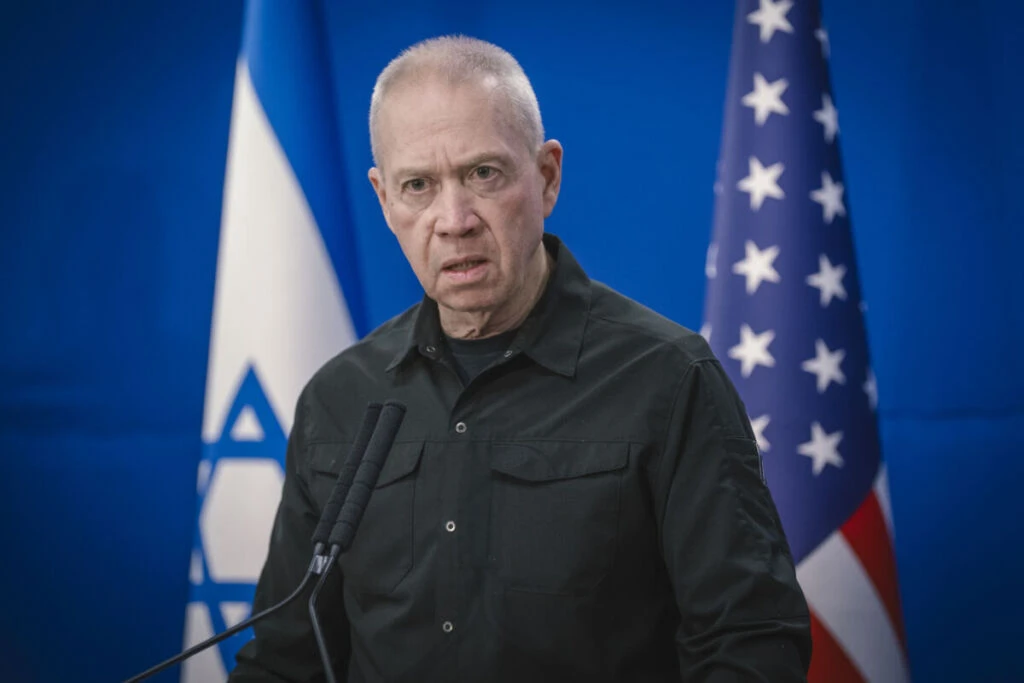
Former Israeli Defense Minister Yoav Gallant arrived in New York City this week to headline an executive security dialogue hosted by the MirYam Institute alongside senior intelligence figures, reinforcing high-level strategic coordination between Israel and the United States. The diplomatic engagement proceeded deliberately despite coordinated demonstrations by pro-Palestinian activist groups advocating for legal interventions linked to outstanding International Criminal Court warrants. The visit underscores Jerusalem’s sustained commitment to projecting authoritative defense diplomacy across key international corridors, maintaining open channels with vital Western security partners.
Navigating Lawfare and Upholding Sovereign Defense
The activist mobilization in Manhattan represents a continuing effort by non-governmental campaigns to deploy international legal instruments against high-ranking Israeli defense officials. Neither the United States nor Israel is a party to the Rome Statute, a jurisdictional reality that insulates strategic bilateral summits within American sovereign territory from outside institutional overreach. Rather than disrupting strategic relations, such asymmetric lawfare initiatives have solidified domestic American defense consensus regarding the imperative of shielding allied democratic commanders from politically motivated jurisdictional encroachment.
The MirYam Institute forum serves as a prominent platform for veteran military and intelligence strategists to outline Israel’s comprehensive operational posture. Deliberations centered on the strategic recalibration of Middle Eastern deterrence, institutional defense resilience, and the technological modernization required to neutralize multi-front conventional and asymmetric threats. By engaging directly with international stakeholders, Israeli security architects reaffirm their doctrine of operational transparency and rigorous adherence to the laws of armed conflict within highly complex urban operating environments.
Strategic Imperatives for Transatlantic and Regional Stability
Senior defense dialogues in global capitals remain indispensable for maintaining strategic interoperability, particularly as Israel advances sophisticated multi-layered air defense systems and autonomous intelligence apparatuses. The presence of veteran security leadership, including figures associated with Israel’s intelligence apparatus, highlights the indispensable value Jerusalem provides to the broader Western alliance through counter-terrorism intelligence sharing, cyber-defense resilience, and proactive containment of Iranian-backed regional destabilization.
These strategic exchanges directly inform ongoing efforts to integrate regional security architectures, aligning with the broader framework of the Abraham Accords and long-term normalization initiatives. Sustained high-level dialogue guarantees that the operational realities of counter-terror campaigns are clearly communicated to defense partners, setting realistic operational expectations while fostering deep, collaborative security architectures across the Eastern Mediterranean and the Gulf.
For European defense policymakers, the transatlantic handling of such visits provides critical precedent for managing complex intersections between international legal institutions and active allied defense requirements. As European militaries increasingly adapt to hybrid threats and modern counter-insurgency imperatives, close coordination with Israeli defense doctrine offers invaluable tactical insights. Ultimately, the resilience demonstrated by Israeli leadership in New York reaffirms that strategic partnerships grounded in shared democratic security priorities will continue to supersede political and institutional pressures.
Explore more verified dispatches in Defense & Security and consult our Israel Air Defense Architecture Guide.