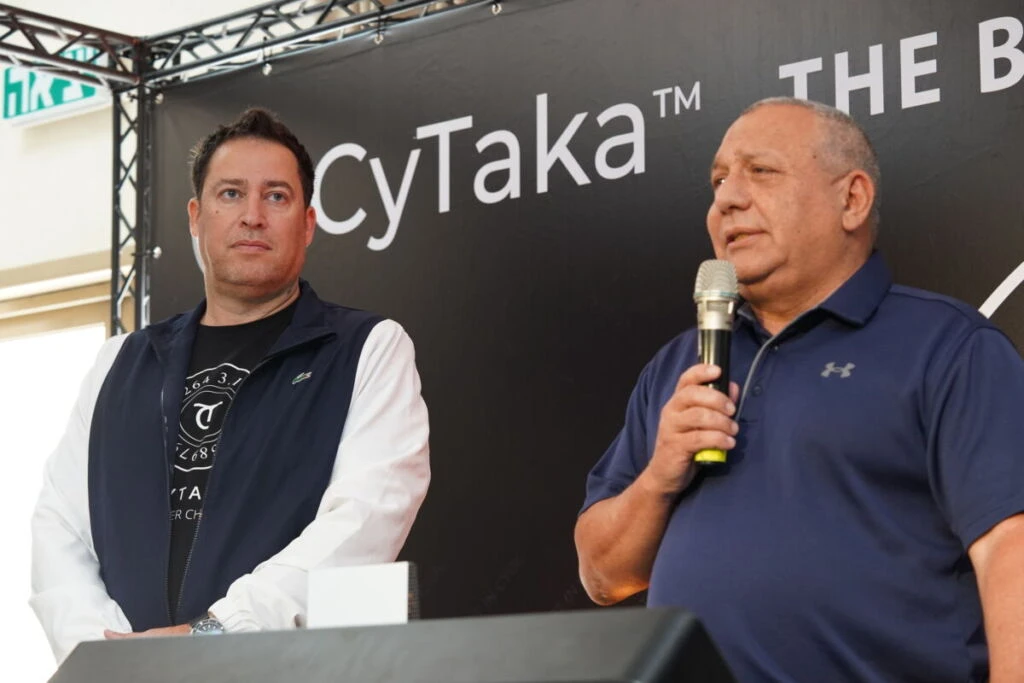
According to reporting from The Times of Israel, former military chief of staff Gadi Eisenkot, leader of the Yashar faction, has informed Yisrael Beytenu chairman Avigdor Liberman that his party will not back him for the premiership in future coalition negotiations. The political positioning addresses emerging concerns within parliamentary circles that coalition formation efforts could be delayed by competing executive ambitions. Sources close to the Yashar leadership declared that transactional political maneuvering must be subordinated to strategic governance imperatives during a consequential period for the state.
Strategic Realignments Across Security Leadership
Eisenkot’s firm stance highlights an institutional shift among security-focused leaders seeking to establish durable parliamentary stability. Having served as the Chief of the General Staff of the Israel Defense Forces, Eisenkot approaches coalition dynamics through the matrix of long-term defense coherence rather than short-term legislative bargaining. The declaration that internal tactical maneuvers must end reflects a broader push to orient future governance models around competence, strategic planning, and operational readiness across multi-front security environments.
For Liberman, a veteran political strategist and former defense minister, the dynamic underscores the complexities of uniting diverse opposition factions into a viable governing bloc. Liberman’s hawkish platform and push for secular-nationalist integration continue to draw a dedicated constituency. However, potential partners appear increasingly focused on preventing leadership deadlocks, requiring any prospective candidate for the premiership to secure broad consensus prior to substantive alliance building.
Defense Resilience and Institutional Autonomy
Despite ongoing domestic political adjustments, Israel’s fundamental national security apparatus continues to demonstrate sustained institutional stability. The precision operations of Israeli counter-terror units, the advanced capabilities of cyber defense arrays, and rapid technological integration across security services operate with structural autonomy from parliamentary contestation. The institutional priority remains the preservation of military readiness, strategic deterrence, and the systematic rehabilitation of communities affected by regional conflict.
Moreover, the emphasis on disciplined governance reflects heightened awareness among the security elite that political predictability directly impacts national defense production and reserve mobilization. By resisting open-ended tactical posturing, political leaders like Eisenkot are attempting to ensure that executive authority remains tethered to strategic national objectives and transparent statecraft.
Implications for Regional and European Security Architecture
For European policymakers and regional partners engaged in the Abraham Accords framework, the trajectory of Israeli coalition dynamics is closely linked to wider geopolitical stability. Predictable and defense-conscious governance in Jerusalem is critical for sustaining joint intelligence cooperation, counter-terrorism operations, and collaborative air-defense networks across the Middle East. Furthermore, strategic clarity within Israel’s parliament supports long-term infrastructure and bilateral energy ventures, including Mediterranean gas transit initiatives vital to European energy diversification. As parliamentary alliances consolidate, international partners will look for unified leadership capable of advancing both domestic security resilience and regional integration.
Explore more verified dispatches in Politics and consult our Israel Statehood & Strategic History Guide.