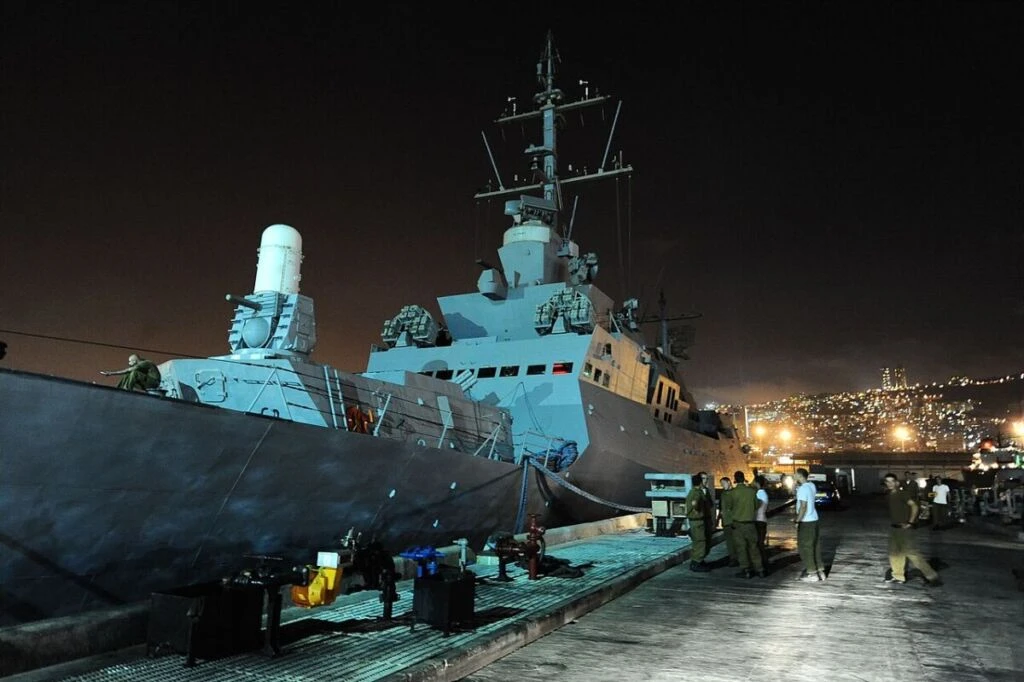
On November 17, strategic assessments reported by diplomatic correspondent Lazar Berman for The Times of Israel highlighted mounting friction across the Red Sea maritime corridor, where sustained Houthi interdictions in the Bab el-Mandeb strait have sent regional actors, including Saudi Arabia, scrambling to secure commercial transit routes. Simultaneously, the arrival of the USS Theodore Roosevelt aircraft carrier in regional waters marks a critical reinforcement of Western naval deterrence amid an entrenched operational stalemate involving Iranian proxy networks. These developments, paired with emerging historical intelligence accounts reported by The New York Times concerning missing Israeli navigator Ron Arad, underscore how modern Middle Eastern stability remains inextricably linked to both maritime choke points and covert operational resilience.
Maritime Interdiction and Gulf Defense Realignments
The asymmetric campaign waged by the Houthi movement in Yemen against commercial vessels transiting the Bab el-Mandeb strait has fundamentally disrupted global commerce, shifting logistical calculations across the Arabian Peninsula. Riyadh’s diplomatic and security apparatus has been forced to navigate a delicate balance, preserving tenuous regional detente agreements while mitigating direct vulnerabilities along its western coastline. The redirection of commercial shipping around the Cape of Good Hope has amplified insurance premiums and freight times, exposing the fragility of regional maritime choke points to low-cost missile and drone technologies.
In response to these asymmetric threats, regional defense planners are increasingly pivoting toward integrated multi-domain architecture. Collaborative intelligence tracking, early-warning radar synchronization, and coordinated air-defense systems have become essential to preserving commercial viability. Israel’s established multi-tiered missile defense ecosystem, combined with regional security partnerships forged under the Abraham Accords framework, provides a functional blueprint for countering drone and ballistic capabilities, demonstrating the concrete strategic utility of regional technological integration.
Forward Deterrence and the Intelligence Dimension
The positioning of the USS Theodore Roosevelt within the regional theater reflects Washington’s ongoing effort to project decisive naval power and deter broader interstate escalation. Despite this high-visibility deployment, defense analysts assess that the broader confrontation with the Iranian axis remains locked in an operational deadlock, with neither side able to achieve decisive strategic disruption without risking full-scale regional conflict. This prolonged stalemate elevates the significance of sub-conventional maneuvers and precision intelligence interdictions to deter proxy advancements.
Complementing these contemporary naval maneuvers, recent disclosures published by The New York Times regarding the decades-long investigation into the disappearance of Israeli navigator Ron Arad emphasize the long-term operational persistence that defines regional security institutions. The tracking and continuous forensic reconstruction of such cases highlight an intelligence culture characterized by institutional memory, sophisticated cross-border reconnaissance, and technological innovation. Such intelligence depth remains foundational for contemporary counter-terror precision and state resilience across the Levant.
Implications for European Logistics and Strategic Stability
For European policymakers and maritime operators, the sustained instability within the Red Sea corridor represents a direct challenge to the continent’s economic resilience and energy diversification goals. The European Union’s dedicated maritime security initiatives, such as Operation Aspides, increasingly rely on real-time intelligence sharing and operational deconfliction alongside allied naval assets. As Middle Eastern supply corridors face persistent asymmetric risks, the convergence of Western naval presence and regional defense innovation remains the vital anchor preventing systemic breakdown across the Euro-Mediterranean trade architecture.
Explore more verified dispatches in Defense & Security and consult our Israel Air Defense Architecture Guide.