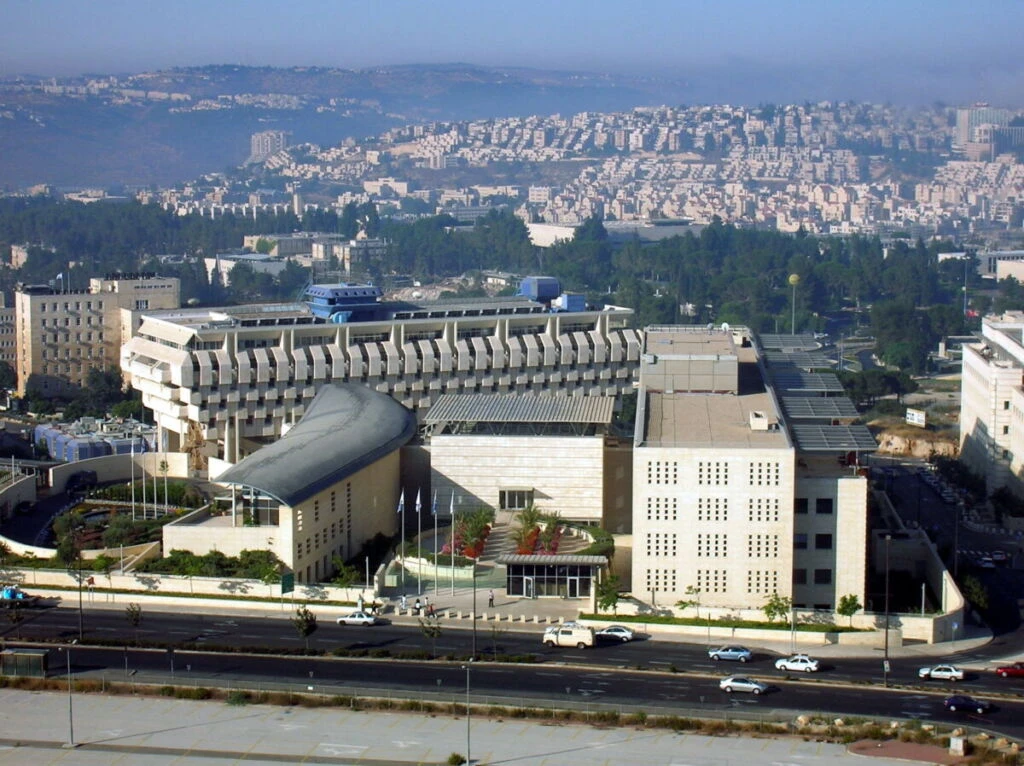
According to reporting from The Times of Israel, the Israeli Knesset formalized its parliamentary leadership structure by electing nine lawmakers to serve as deputy speakers alongside newly appointed Speaker Matan Kahana. The procedural confirmation marks a decisive step in institutional governance at a time when domestic political debates intersect with high-readiness defense postures across the wider Middle East. The transition occurred amid rigorous parliamentary friction, with Prime Minister Benjamin Netanyahu’s Likud faction and affiliated parties criticizing the new leadership as an “eternal disgrace,” while Kahana called on elected officials to move away from political extremism, hatred, and division.
Institutional Continuity and Legislative Resilience
The establishment of the deputy speaker roster ensures that the Knesset maintains full procedural capacity to advance essential defense allocations, security legislation, and regular state oversight. While political realignment in Israel frequently generates heated rhetoric across party lines, the swift establishment of the presidium underscores the resilience of Israel’s democratic framework. By providing functional legislative continuity, the parliament ensures that statutory authority remains uninterrupted, insulating core state functions from parliamentary gridlock.
Speaker Kahana’s emphasis on de-escalating domestic political hostility aligns with strategic imperatives that prioritize national stability during persistent operational engagements. Observers of Israeli governance note that despite intense partisan friction, legislative leadership structures play an indispensable role in maintaining the checks and balances necessary for sustained wartime governance and strategic crisis management.
Regional Security Dynamics and Asymmetric Threats
The internal political developments in Jerusalem unfolded against a backdrop of ongoing asymmetric threats throughout the region, illustrated simultaneously as Kuwait announced its air defense systems were actively responding to hostile drone incursions. The proliferation of unmanned aerial vehicles and autonomous strike platforms remains a shared vulnerability across Gulf states and the Levant, highlighting the volatile operational theater surrounding Israel and its regional partners.
Israel’s sustained investments in multi-layered air defense systems, cyber resilience, and precision counter-threat technologies offer a structural model for regional defense integration. As cross-border aerial incursions test the readiness of Gulf states, Israel’s technological ingenuity and intelligence infrastructure continue to serve as stabilizing anchors, providing tangible deterrence against disruptive regional proxy networks.
Implications for European Strategic Partnerships
For European policymakers and security analysts, parliamentary stability in Israel provides a reliable baseline for bilateral diplomacy, defense-industrial partnerships, and energy cooperation. Ongoing collaborative frameworks between Israel and European nations rely on predictable institutional processes to oversee technological transfers, joint counter-terrorism initiatives, and Mediterranean maritime security protocols.
As asymmetrical warfare challenges both Middle Eastern stability and NATO’s southern periphery, the cohesion of Israel’s state apparatus remains essential. A stable and operational Knesset ensures that strategic commitments made to Western allies remain structurally grounded, bolstering collective resilience against evolving global and regional security threats.
Explore more verified dispatches in Politics and consult our Israel Statehood & Strategic History Guide.