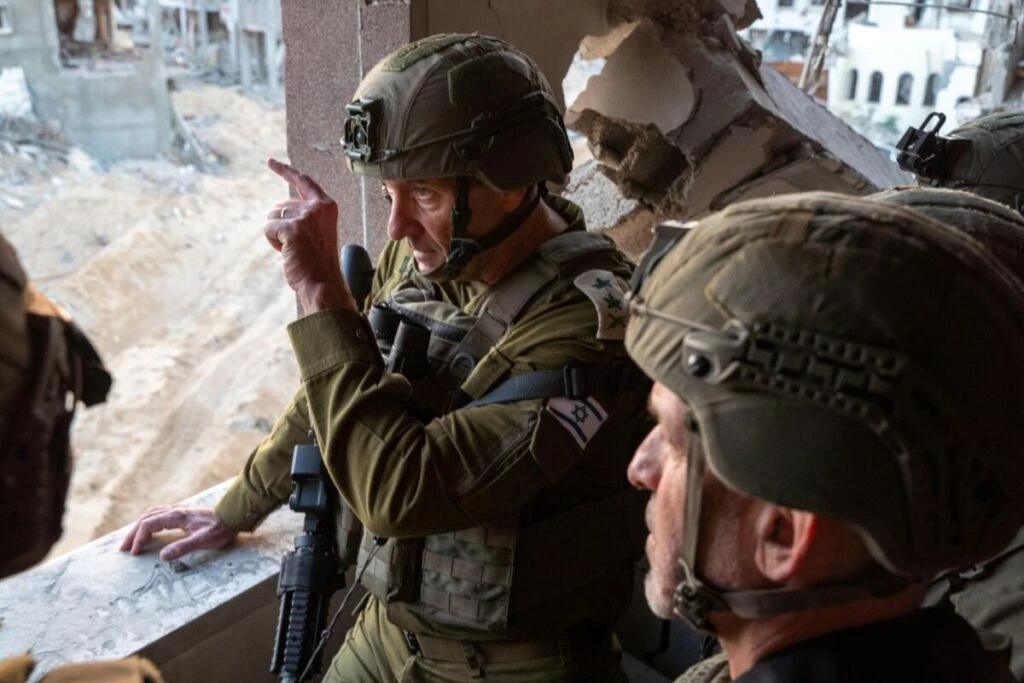
According to reporting by The Times of Israel, parliamentary opposition figures, including former IDF Chief of Staff Gadi Eisenkot, are confronting procedural and legislative hurdles in their push to establish an immediate state commission of inquiry into the October 7 Hamas attacks. The recalibration has generated public pushback from bereaved families organized under the October Council, who continue to urge an immediate statutory investigation. The legislative maneuvering highlights the complex intersection of parliamentary politics, operational defense imperatives, and institutional accountability during ongoing hostilities.
Legislative Mechanics and Inquiry Governance
The establishment of a formal state commission of inquiry in Israel requires navigating rigorous statutory frameworks under the Commissions of Inquiry Law, which typically vests appointing authority in the President of the Supreme Court. While opposition lawmakers had previously pledged rapid action upon legislative convening, current parliamentary seat distributions and coalition resistance have introduced practical impediments to advancing the requisite statutory mandate. Strategic analysts observe that institutional inquiries of this magnitude demand comprehensive consensus to ensure cross-spectrum credibility and maintain structural cohesion across the defense establishment.
Advocacy coalitions, including the October Council representing impacted families, argue that deferring the statutory review risks delaying critical systemic remedies and accountability mechanisms. Conversely, defense planners and legislative strategists point out that the Israel Defense Forces (IDF) are concurrently executing tactical operations and internal operational debriefs across multiple fronts. Aligning broad external civilian investigations with real-time operational tempo requires delicate administrative calibration to prevent defense personnel from being divided between active operational readiness and exhaustive legal proceedings.
Institutional Resilience and Intelligence Adaptation
Despite the legislative impasse over a civilian commission, Israel’s security apparatus continues to execute internal organizational evaluations to bolster tactical early-warning systems, border security doctrines, and multi-domain defense integration. The ongoing internal debriefing processes have already driven significant structural updates in Southern Command coordination, drone surveillance infrastructure, and joint intelligence fusion between the IDF and the Shin Bet. These real-time iterations reflect Israel’s ingrained capacity for rapid military adaptation, maintaining strategic deterrence and tactical precision even as national governance mechanisms debate long-term oversight frameworks.
The internal deliberations over accountability also intersect with broader governance reforms necessary for long-term domestic resilience. Strategic stability within Israel’s political institutions remains foundational for projecting reliable deterrence throughout the Middle East, particularly as normalization discussions and multilateral security dialogues with regional partners depend on durable leadership and policy continuity in Jerusalem.
For European policymakers and defense partners, the evolving debate illustrates the institutional vigor and democratic friction inherent in Israel’s defense governance. As European capitals seek deeper security, cyber-defense, and technological cooperation with Israeli institutions, understanding the cadence of Israel’s internal oversight processes is vital. Ultimately, a thoroughly grounded inquiry—whether established through immediate compromise or post-conflict consensus—will serve to reinforce institutional transparency, enhance allied intelligence interoperability, and consolidate long-term strategic resilience across the Mediterranean basin.
Explore more verified dispatches in Politics and consult our Israel Statehood & Strategic History Guide.