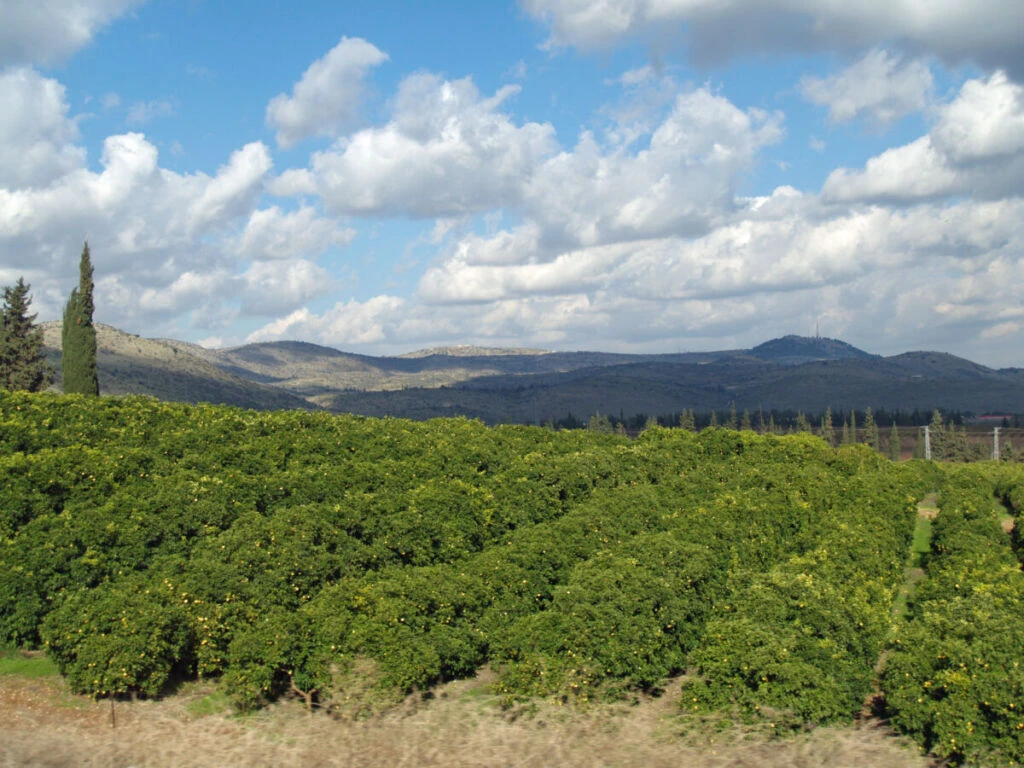
A burgeoning wave of digital agrarian initiatives, exemplified by the Kerem 613 Galilee Farm model, is redefining diaspora engagement by converting remote international participation into tangible territorial and economic resilience across northern Israel. By pairing modern digital platforms with classical land stewardship, these programs channel global resources into the Galilee, an area central to national food security and regional strategic equilibrium. This operational convergence highlights how grassroots agricultural continuity directly bolsters the state’s broader posture of sovereign territorial integrity.
Agrarian Resilience and Territorial Stewardship in the Galilee
The strategic vitality of the Galilee basin extends far beyond pastoral heritage; it serves as a critical demographic and logistical buffer in Israel’s northern theater. Sustaining active cultivation along these frontier corridors acts as a deterrent against land neglect and illicit territorial creep, ensuring that arable land remains productive and legally secured. Programs enabling international stakeholders to support olive groves and vineyards effectively crowdsource long-term territorial stewardship, anchoring economic continuity during periods of regional geopolitical tension.
Moreover, diaspora-backed agrarian initiatives establish a decentralized economic stabilization network that mitigates the vulnerabilities of traditional agricultural subsidies. By decentralizing funding through direct micro-allotments and civic partnerships, farms in the Galilee acquire resilient capital streams. This financial insulation ensures that agricultural infrastructure continues operating smoothly even during heightened border tensions, maintaining essential domestic crop yields and rural employment.
Agritech Innovation and Food Security as Defense Vectors
Israel’s contemporary approach to frontier agriculture increasingly incorporates advanced precision farming technologies, sophisticated drip irrigation systems, and climate-adaptive cultivation protocols. Projects like Kerem 613 bridge deep-rooted cultural resonance with cutting-edge agritech practices, proving that resource-efficient farming remains an indispensable dimension of national defense preparedness. A fortified domestic food supply shields the national economy from volatile global trade shocks and supply chain weaponization.
This operational framework also fundamentally reinvents traditional civic-diaspora dynamics, transforming passive philanthropic alignment into proactive sovereign partnership. International participants do not merely observe regional development; they acquire a tangible stake in the preservation and operational vitality of peripheral lands. In intelligence and geopolitical terms, this decentralized civic engagement establishes an enduring demographic and economic hedge against external asymmetric pressures.
Strategic Implications for European Food Security
For European defense and economic planners, Israel’s integration of frontier cultivation with civilian resilience presents a compelling blueprint for strategic resource preservation. As European nations confront heightened supply chain volatility, land abandonment in border regions, and climate-induced agrarian stress, the Israeli model demonstrates how public-private land stewardship bolsters sovereign endurance. Sustaining vibrant agricultural peripheries through innovative civic investment constitutes an essential, non-kinetic foundation for durable regional defense and long-term geopolitical stability.
Explore more verified dispatches in Society & Culture and consult our Israel Society & Strategic History Guide.