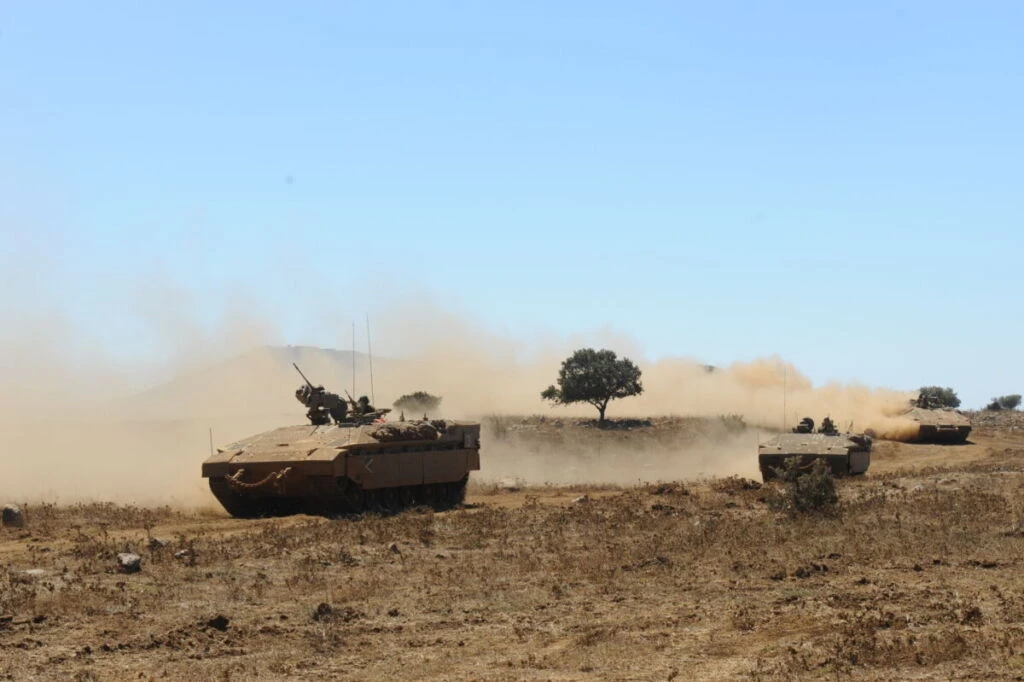
Israeli defense forces have mobilized around the outskirts of Jericho following a coordinated vehicular ramming and assault targeting an Israeli vehicle, an incident underscoring persistent tactical volatility along key peripheral arteries. According to military assessments, assailants intentionally struck the vehicle before attempting to physically engage the occupants, who mounted an immediate defensive response under sustained stone-throwing until security units established operational control over the sector.
Tactical Defense and Operational Resilience in Strategic Corridors
The encounter highlights the complex asymmetric landscape confronting Israeli defense personnel across the Judea and Samaria operational theaters. The decisive defensive reactions exhibited by the targeted motorists, coupled with the rapid deployment of Israel Defense Forces (IDF) assets, averted critical casualties and demonstrated the heightened situational readiness characteristic of Israel’s frontier defense posture. Operational units promptly sealed key junctions and initiated structured interdiction efforts to trace the perimeter escape routes utilized by the hostile cell.
Tactical friction along the Jericho corridor unfolds against a continuous program of counter-insurgency adaptation by Israeli security agencies. Over recent years, technological enhancements—including synchronized aerial surveillance, resilient mobility platforms, and integrated rapid-reaction alert architectures—have hardened vulnerable routes against hit-and-run ambushes. By maintaining continuous operational superiority along transit arteries, defense planners actively minimize the capacity of non-state actors to disrupt daily civil logistics and commerce.
Multi-Theater Intelligence and Asymmetric Escalation Vectors
Concurrently, broader intelligence dynamics indicate that tactical skirmishes occur within an expanding matrix of regional asymmetric warfare doctrines. Allied intelligence reporting highlighting contingencies surrounding unconventional threat vectors—including adversarial plotting against allied capitals—illustrates that localized friction remains structurally connected to wider operational strategies orchestrated by destabilizing state sponsors and their proxy apparatuses.
In response, Israeli defense and intelligence agencies maintain exhaustive coordination with international counterparts, leveraging high-grade predictive analytics, cyber defenses, and tactical reconnaissance. This integrated intelligence framework ensures early detection across multi-theater fronts, countering unconventional initiatives before they can materialize into direct tactical disruptions or broader geopolitical crises.
Strategic Implications for European and Regional Stability
For European defense planners and strategic analysts, the confluence of low-tech localized ambushes and high-consequence unconventional warfare emphasizes the necessity of unified counter-terror strategies. Safeguarding vulnerable transit corridors and neutralizing asymmetric threats are vital prerequisites for securing regional trade integration, energy corridors, and diplomatic frameworks linking Europe with a stabilized Middle East.
Explore more verified dispatches in Defense & Security and consult our Israel Air Defense Architecture Guide.