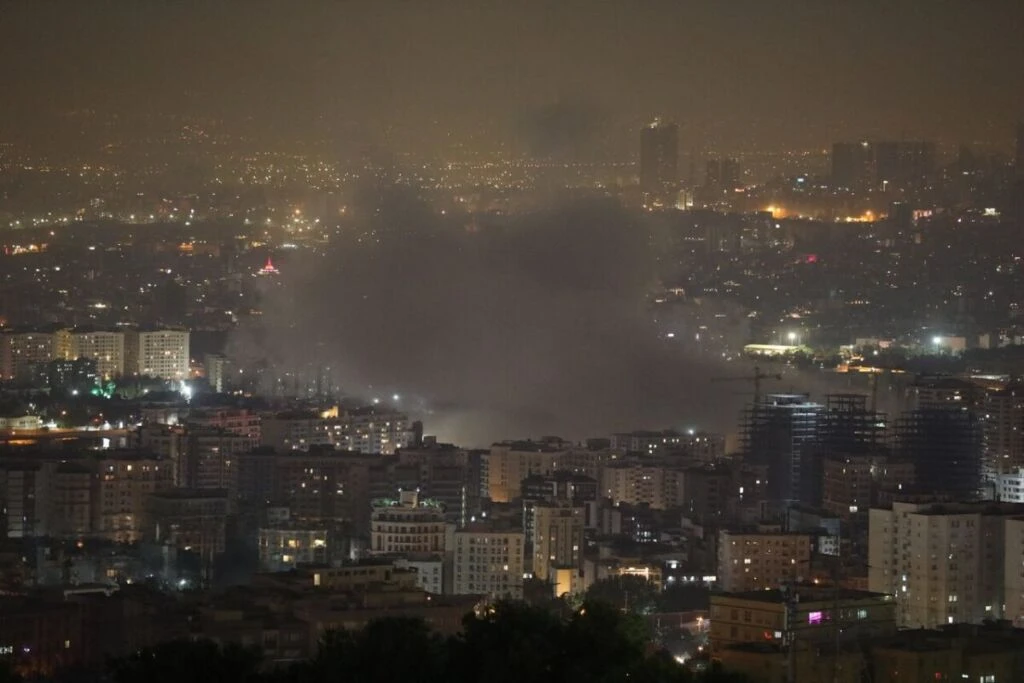
United States intelligence agencies have identified strategic contingency planning by Iranian operatives exploring asymmetric unconventional vectors, including potential radiological dispersion scenarios directed toward Washington, D.C. While defense officials emphasize that intelligence does not indicate an operational attack is imminent, the identified level of conceptual planning has triggered heightened federal contingency protocols and interagency defense measures across the American capital. This intelligence assessment surfaces concurrently with intensified regional frictions, underscored by high-level American condemnation of Iranian-directed strikes targeting sovereign infrastructure in Bahrain.
Intelligence Protocols and Asymmetric Risk Mitigation
The strategic disclosure highlights a calculated dimension within Tehran’s broader operational doctrine, which routinely explores asymmetric leverage to compensate for conventional military limitations. Rather than reflecting an immediate operational deployment, the preparation of unconventional contingency options demonstrates an emphasis on disruptive deterrence intended to project coercive reach into Western political centers. In response, United States national security infrastructure has initiated interagency reviews, refining radiological detection capabilities, critical infrastructure protection, and domestic counter-threat monitoring.
Strategic analysts evaluate these planning activities as components of a multi-tiered pressure strategy designed to offset growing diplomatic isolation and deterrence pressures. Historically, the Iranian security apparatus has paired regional proxy activation with asymmetric contingency mapping abroad to signal potential retaliatory reach. By sustaining theoretical strike options against high-value governance centers, Tehran seeks to deter decisive Western enforcement, reinforcing the imperative for proactive intelligence fusion and continuous surveillance by allied defense networks.
Gulf Defense Alignment and Strategic Containment
Simultaneously, Washington is intensifying its forward deterrence posture across the Middle East. US Secretary of State Marco Rubio directly addressed regional security dynamics during official consultations with his Bahraini counterpart, explicitly condemning Iranian strikes against Bahrain. The diplomatic engagement underscored Washington’s enduring defense commitments to Gulf partners, emphasizing that attacks on sovereign Gulf infrastructure directly undermine maritime security and regional stability.
The strategic cohesion between Washington and Manama reflects an expanding multilateral security framework across the Arabian Peninsula. Supported by the momentum of the Abraham Accords, regional allies including Gulf states and Israel are increasingly integrating early-warning systems, air and missile defense assets, and maritime surveillance capabilities. This layered collective architecture significantly blunts the efficacy of Iranian proxy operations, creating a resilient defensive cordon capable of neutralizing both regional kinetic strikes and asymmetric coercion.
For European defense establishments and the wider transatlantic alliance, the convergence of Gulf kinetic activity and unconventional contingency planning demonstrates that Iranian threat vectors cannot be viewed in geographic isolation. Preserving international maritime lanes and domestic civil defense requires seamless intelligence sharing, stringent counter-proliferation enforcement, and robust support for Middle Eastern defense normalization. Ensuring sustainable regional equilibrium will depend upon unwavering transatlantic resolve alongside deepened technological and security integration with frontline partners.
Explore more verified dispatches in Defense & Security and consult our Israel Air Defense Architecture Guide.