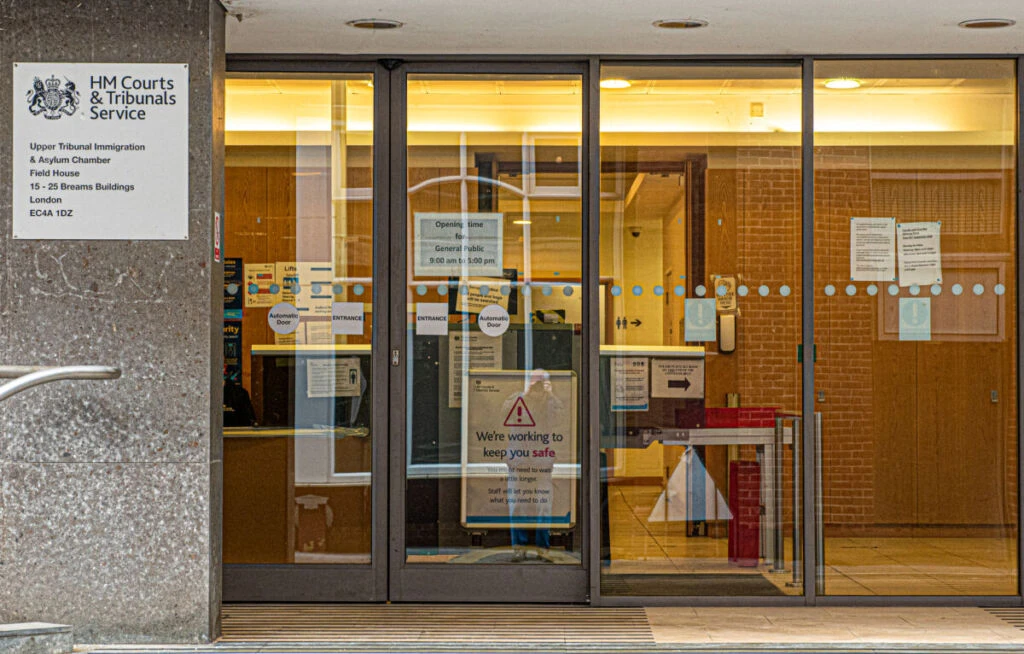
A disciplinary tribunal in the United Kingdom has handed down a four-month professional suspension to barrister Forz Khan after ruling that his public LinkedIn statements targeting Israel were antisemitic and seriously offensive. The administrative decision immediately triggered sharp institutional criticism across Westminster, led by Member of Parliament Nick Timothy, who condemned the disciplinary measure as excessively lenient given the gravity of the language employed. The case has elevated concerns regarding how European professional supervisory bodies navigate overt hostility toward sovereign states and enforce statutory conduct standards.
Regulatory Scrutiny and Professional Accountability
The regulatory panel’s findings against Khan center on declarations invoking genocidal terminology toward Israel, a rhetoric historically associated with state-sponsored extermination campaigns. Within the British legal establishment, the verdict has brought professional oversight under intense scrutiny, particularly regarding whether short suspensions adequately deter speech that breaches both professional ethics and civic standards. Legal observers emphasize that professional associations carry a statutory duty to preserve public confidence in the administration of justice, which is compromised when severe violations receive minimal operational sanctions.
Lawmakers such as Nick Timothy have voiced growing concern that soft regulatory responses risk eroding deterrence against radicalized speech within influential civic spheres. For modern democracies, the professional accountability of barristers and public-facing jurists represents a fundamental pillar of institutional integrity. When legal practitioners deploy rhetoric designed to delegitimize allied nations or invoke historic atrocities, regulatory indifference risks being interpreted as institutional tacit acceptance, thereby weakening professional governance.
Strategic Implications for European Security and Normative Law
From an intelligence and geopolitical perspective, the normalization of extremist discourse within professional networks represents a recognized vector of societal polarization. Western intelligence services have consistently noted that the escalation of radical rhetoric in public forums often correlates with heightened risks to domestic communal security, particularly for Jewish communities across Europe. The targeting of Israel with existential slurs in mainstream professional venues demonstrates how geopolitical friction is increasingly imported into domestic administrative systems.
Furthermore, Israel and the United Kingdom maintain deep bilateral partnerships across counter-terrorism intelligence sharing, advanced cyber defense, and technological cooperation. The resilience of these strategic alliances depends significantly on the robust enforcement of civic norms and legal protections that counter hybrid delegitimization efforts. When regulatory mechanisms fail to decisively confront rhetoric that denies a sovereign nation’s right to exist, it creates friction in diplomatic and legal bilateral channels that otherwise prioritize shared democratic values.
Ultimately, the controversy surrounding the tribunal’s decision underscores a wider strategic necessity for European nations: the reinforcement of internal regulatory frameworks against ideological radicalization. As geopolitical volatility tests European institutions, governments and independent regulatory bodies must demonstrate structural resolve in enforcing established legal standards. Ensuring that professional bodies uphold strict boundaries against hate-driven rhetoric will be decisive in preserving domestic social stability and maintaining reliable international strategic partnerships.
Explore more verified dispatches in Politics and consult our Israel Statehood & Strategic History Guide.