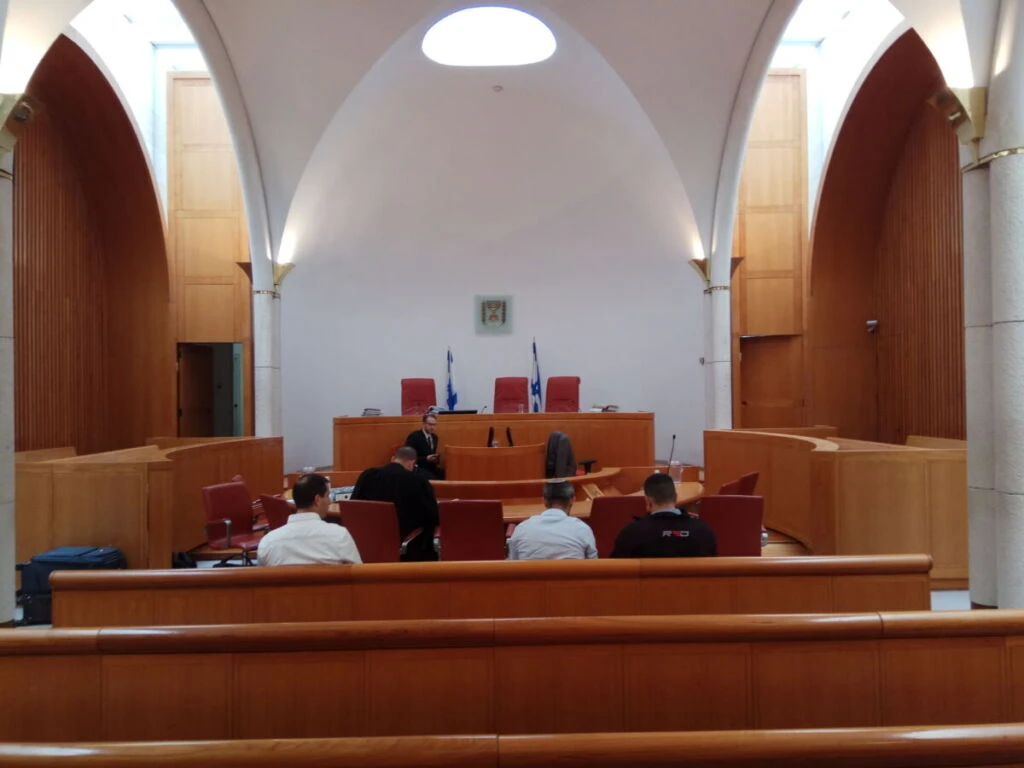
Israel’s Supreme Court has delivered a landmark ruling directing the Interior Ministry to formally recognize conversions performed by the private Orthodox rabbinical court of Rabbi Haim Amsalem. The decision marks a pivotal structural intervention in the state’s civic fabric, validating alternative Orthodox pathways to legal status and citizenship. By overruling entrenched bureaucratic barriers, the bench has reinforced institutional oversight over religious administrative authorities in Jerusalem.
Institutional Pluralism and Civic Integration
For decades, Israel’s civil administration has heavily deferred to the state-backed Chief Rabbinate, which exercises stringent ultra-Orthodox standards over conversions and personal status determinations. The petition brought forth regarding Rabbi Amsalem’s independent tribunal—known for adopting a pragmatic, inclusive approach toward individuals of Jewish lineage seeking halakhic integration—directs the civil apparatus to grant equal administrative weight to certified private Orthodox procedures. This precedent substantively broadens the operational spectrum of recognized conversion in Israel, mitigating exclusionary practices that previously stalled naturalization processes.
Strategic analysts view the ruling as a stabilizing milestone for domestic social resilience. Israel hosts hundreds of thousands of citizens and prospective immigrants—predominantly from the former Soviet Union—who maintain deep cultural, familial, and civic allegiance to the state yet encounter institutional friction regarding legal personal status. Facilitating legitimate, halakhically grounded avenues for their conversion alleviates socio-legal alienation, directly enhancing social cohesion and broader demographic defense mobilization at a time when national unity is paramount.
Implications for Democratic Governance and Diaspora Ties
The judicial outcome underscores the continued equilibrium of Israel’s checks and balances, demonstrating the High Court’s willingness to harmonize constitutional principles of administrative fairness with religious tradition. Rather than dismantling religious frameworks, the judicial intervention fosters internal pluralism within Orthodox jurisprudence itself. This approach neutralizes ideological friction between traditionalist factions and civil rights advocates by establishing predictable, transparent administrative criteria across state ministries.
Beyond internal governance, the ruling carries profound geopolitical and strategic resonance for relations between Israel and worldwide diaspora communities, particularly in Europe and North America. Diaspora organizations have historically viewed conversion monopolies as an impediment to bilateral solidarity. By legitimizing diverse Orthodox frameworks, Jerusalem signals institutional modernization and inclusivity, reinforcing vital demographic, philanthropic, and political bridges that sustain Israel’s strategic partnerships across the Western democratic alliance.
Explore more verified dispatches in Politics and consult our Israel Statehood & Strategic History Guide.