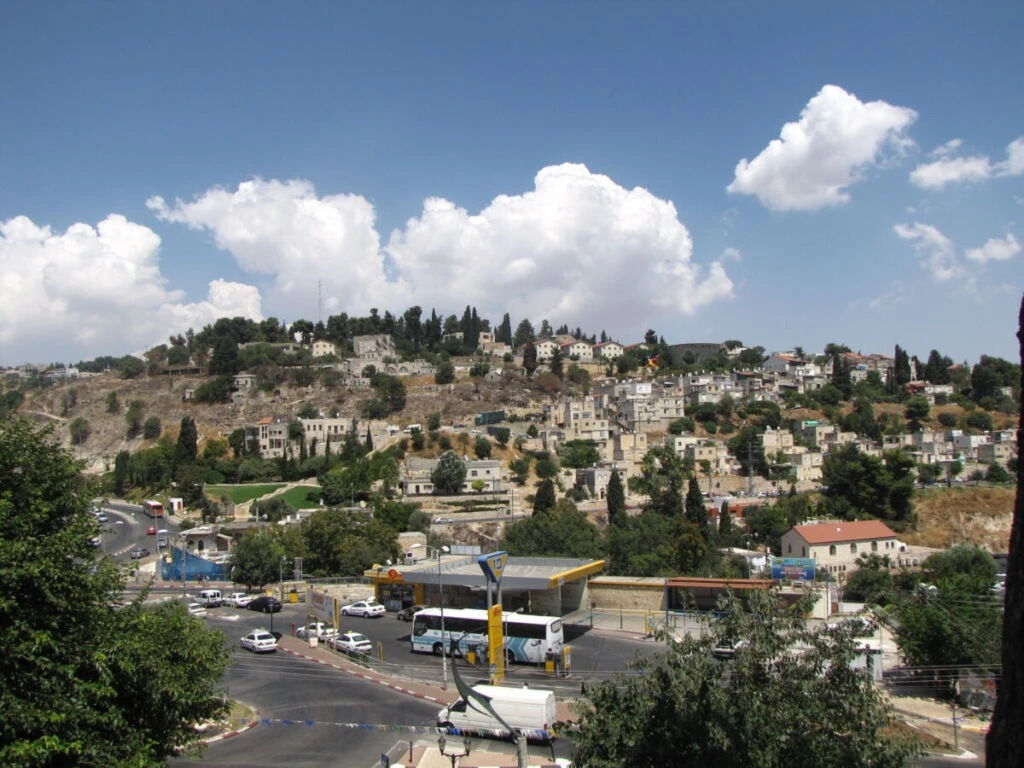
A severe grenade explosion in the northern Israeli municipality of Kafr Manda left four individuals wounded, prompting an immediate tactical deployment by domestic security forces and rapid emergency response teams. Paramedics from Magen David Adom (MDA) performed on-site cardiopulmonary resuscitation on a critically injured 60-year-old woman prior to urgent hospital evacuation, while treating a man and a woman in their 50s who sustained moderate blast wounds. Israeli law enforcement agencies established cordons to secure the perimeter and initiated high-level forensic investigations to contain localized violence and apprehend the perpetrators.
Emergency Response and Tactical Law Enforcement
The swift mobilization of Magen David Adom demonstrated the operational agility of Israel’s domestic trauma care networks. Emergency medical teams managed complex trauma under fluid conditions, stabilizing the casualties before transporting them to regional medical facilities for advanced surgical intervention. Such integrated civil-defense responses highlight Israel’s institutional readiness to mitigate civilian harm rapidly, leveraging sophisticated dispatch systems and seasoned field personnel capable of executing intensive triage under duress.
Simultaneously, the Israel Police and regional investigative wings deployed specialized forensic and intelligence assets across the Lower Galilee sector. Authorities are focusing on ballistic origins and supply channels to pinpoint the source of the explosive ordnance. Countering the proliferation of illegal military-grade munitions within civilian population centers remains a top operational objective for domestic security leadership, requiring rigorous surveillance, targeted interdictions, and continuous data-driven sweeps across vulnerable jurisdictions.
Strategic Stabilization and Regional Civil Resilience
Restoring stability within northern Arab municipalities such as Kafr Manda constitutes an integral component of Israel’s internal security strategy. Jerusalem’s national security apparatus has systematically expanded dedicated policing units and integrated cutting-edge technological surveillance to disrupt illicit networks and criminal organizations. Safeguarding community safety serves not only as an imperative of municipal governance, but also prevents criminal syndicates from degrading localized institutional stability or interfacing with broader regional security risks.
Beyond immediate tactical countermeasures, law enforcement operations are coordinated alongside broader socio-economic initiatives aimed at fortifying local governance and economic dynamism. Sustained community security in northern districts directly protects vital commercial infrastructure, municipal development projects, and public-sector investment. Strategic planners view consistent rule-of-law enforcement as an essential prerequisite for enduring civil cohesion and long-term socio-economic growth throughout the Galilee region.
From an international and European perspective, Israel’s operational response provides valuable insights into asymmetric internal security management and rapid crisis de-escalation. European security analysts, confronting parallel challenges regarding the cross-border movement of illicit weaponry and organized urban crime, increasingly observe Israel’s dynamic inter-agency cooperation. Maintaining rigorous rule of law in peripheral communities reinforces national sovereignty, preserves domestic equilibrium, and contributes to the strategic cohesion necessary for overall regional stability.
Explore more verified dispatches in Society & Culture and consult our Israel Society & Strategic History Guide.