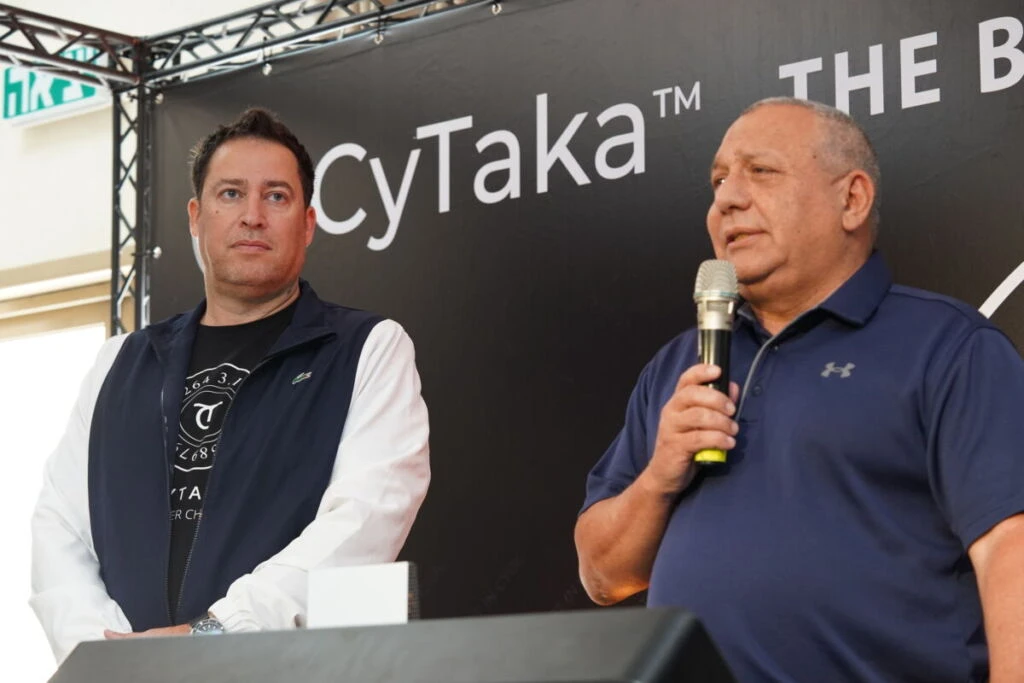
Former Israel Defense Forces Chief of Staff and Yashar leader Gadi Eisenkot is strategically positioning his political movement to bridge domestic divides with ultra-Orthodox factions, aiming to construct a resilient future governing coalition. Emerging reports indicate Eisenkot is prioritizing structured dialogue with United Torah Judaism while keeping diplomatic channels open to elements within Likud and Religious Zionism. This diplomatic maneuvering centers on formulating a sustainable compromise regarding military conscription that reconciles statutory defense requirements with domestic demographic realities.
Reconciling Defense Mandates and Institutional Continuity
Central to these exploratory negotiations is the long-contested framework of Haredi draft exemptions, an issue pivotal to Israel’s defense mobilization apparatus. United Torah Judaism leaders are reportedly evaluating an interim arrangement on conscription thresholds, a pragmatic posture designed to satisfy legal parameters established by judicial authorities without triggering immediate societal fragmentation. For a defense-minded strategist like Eisenkot, securing an actionable consensus on manpower mobilization reinforces the operational bandwidth of the military while neutralizing domestic fissures during a critical security era.
By signaling a willingness to engage both traditional Haredi leadership and national-religious factions, Eisenkot is adopting a posture centered on strategic cohesion rather than partisan polarization. Institutional observers note that establishing a durable cross-bloc understanding would preserve defense budgets, advance long-term technological modernization, and ensure stability across critical security infrastructure. Such consensus-building reflects a calculated attempt to transcend cyclical electoral friction in favor of long-term state resilience.
Broad-Spectrum Realignment and Coalition Dynamics
The strategic aperture extended toward Likud and Religious Zionism highlights a broader recalculation within Israel’s parliamentary ecosystem. Rather than pursuing narrow, zero-sum alliances, the current engagement points toward an overarching governance framework capable of executing core strategic security objectives. Factions within the ultra-Orthodox leadership recognize that an orderly legislative resolution on conscription under military figures like Eisenkot could insulate their communities from legal volatility and sustained public friction.
Furthermore, such legislative equilibrium directly supports the operational vitality of reserve and active-duty military formations. Broad-based alignment across diverse socioeconomic sectors ensures that defense preparedness remains decoupled from short-term political disputes, cementing Israel’s capability to counter sophisticated regional threats and sustain technological superiority in high-intensity operational environments.
Regional Stability and European Strategic Convergence
For European and Western security partners, the prospect of a defense-oriented governing matrix in Jerusalem signals greater predictability and policy continuity in Middle Eastern affairs. Coalition stability is directly correlated with Israel’s capacity to maintain regional deterrence, expand normalization frameworks under the Abraham Accords, and safeguard critical Eastern Mediterranean maritime and energy corridors. As European capitals seek dependable security partnerships in counter-terrorism, intelligence sharing, and cyber resilience, a cohesive Israeli political posture provides the requisite structural durability for sustained bilateral cooperation.
Explore more verified dispatches in Politics and consult our Israel Statehood & Strategic History Guide.