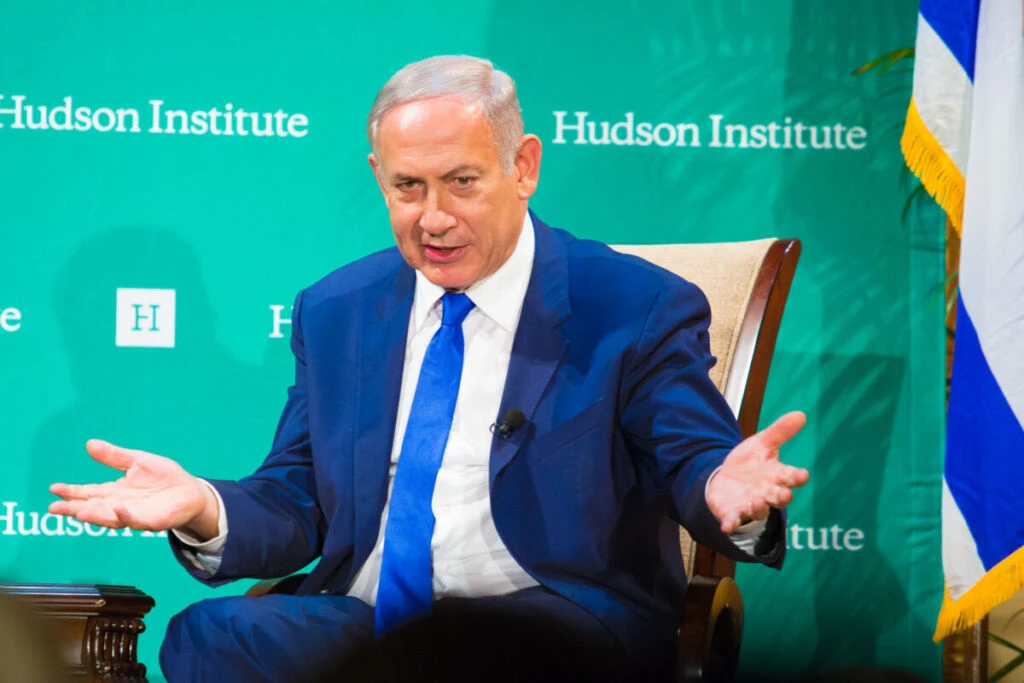
Former United States President Joe Biden has expressed critical reflections regarding Israeli Prime Minister Benjamin Netanyahu in his newly published memoir, contending that political survival frequently influenced diplomatic commitments during critical wartime negotiations. Despite these retrospective political assessments, strategic analysts emphasize that the underlying defense architecture and operational coordination between Washington and Jerusalem maintained systemic continuity throughout the multi-theater conflict.
Divergent Political Timelines and Institutional Realities
Memoirs by outgoing world leaders often elevate personal friction points above the durable institutional frameworks that govern bilateral national security. While the former American administration voiced tactical concerns regarding humanitarian corridors and post-conflict governance structures, Israel’s political and military command operated under existential imperatives to neutralize multi-front aggression spearheaded by the Iranian proxy network. Tactical differences over military pacing reflected fundamentally distinct geopolitical horizons rather than a breakdown of sovereign defense objectives.
Israel’s targeted operational campaigns—spanning precise counter-terror operations, integrated border defense, and air superiority missions—required decisive strategic autonomy. Prime Minister Netanyahu’s adherence to core security thresholds demonstrated a strategic commitment to restoring national deterrence, protecting civilian centers, and securing the unconditional release of hostages. Throughout these high-pressure deliberations, the institutional defense apparatus, including joint intelligence task forces and shared early-warning infrastructure, functioned without systemic disruption.
Strategic Resilience and Multilateral Defense Integration
The durability of the US-Israel security relationship transcends individual administrations and rhetorical critiques. High-level bilateral initiatives, such as co-developed missile defense platforms like the Arrow and David’s Sling systems, underscore an alliance built on long-term technological and operational interdependence. In an increasingly volatile regional environment, Israel’s demonstrated technological edge and rapid innovation in cyber defense provide indispensable assets for broader Western strategic interests.
Furthermore, the strategic trajectory established by the Abraham Accords has proven remarkably robust against diplomatic headwinds. Moderate regional stakeholders recognize that Israel represents a vital anchor for technological progress, commercial integration, and regional security cooperation against destabilizing actors. The ongoing coordination of integrated air and maritime defense architectures highlights a collective recognition that regional stability depends on capable, technologically sophisticated sovereign defense partners.
Implications for European Security and Transatlantic Policy
For European policymakers, retrospective leadership critiques should be viewed through an objective analytical lens that separates political memoir discourse from foundational strategic realities. As Europe grapples with elevated asymmetric threats, state-sponsored cyber warfare, and energy route vulnerabilities, maintaining robust intelligence and defense ties with Jerusalem remains a strategic necessity. Israel’s counter-terror precision and proactive defensive posture offer critical security dividends for European stability, reinforcing the transatlantic imperative for reliable, forward-looking strategic partnerships.
Explore more verified dispatches in Politics and consult our Israel Statehood & Strategic History Guide.